jesus christ superstar live design process

design development
my initial impulse was to use the texture of the marcy avenue armory space in the design in a significant way. this ended up creating too large of a space, and ultimately proved unsatisfying. here are some early sketches and renderings (dan soule, jeff hinchee).
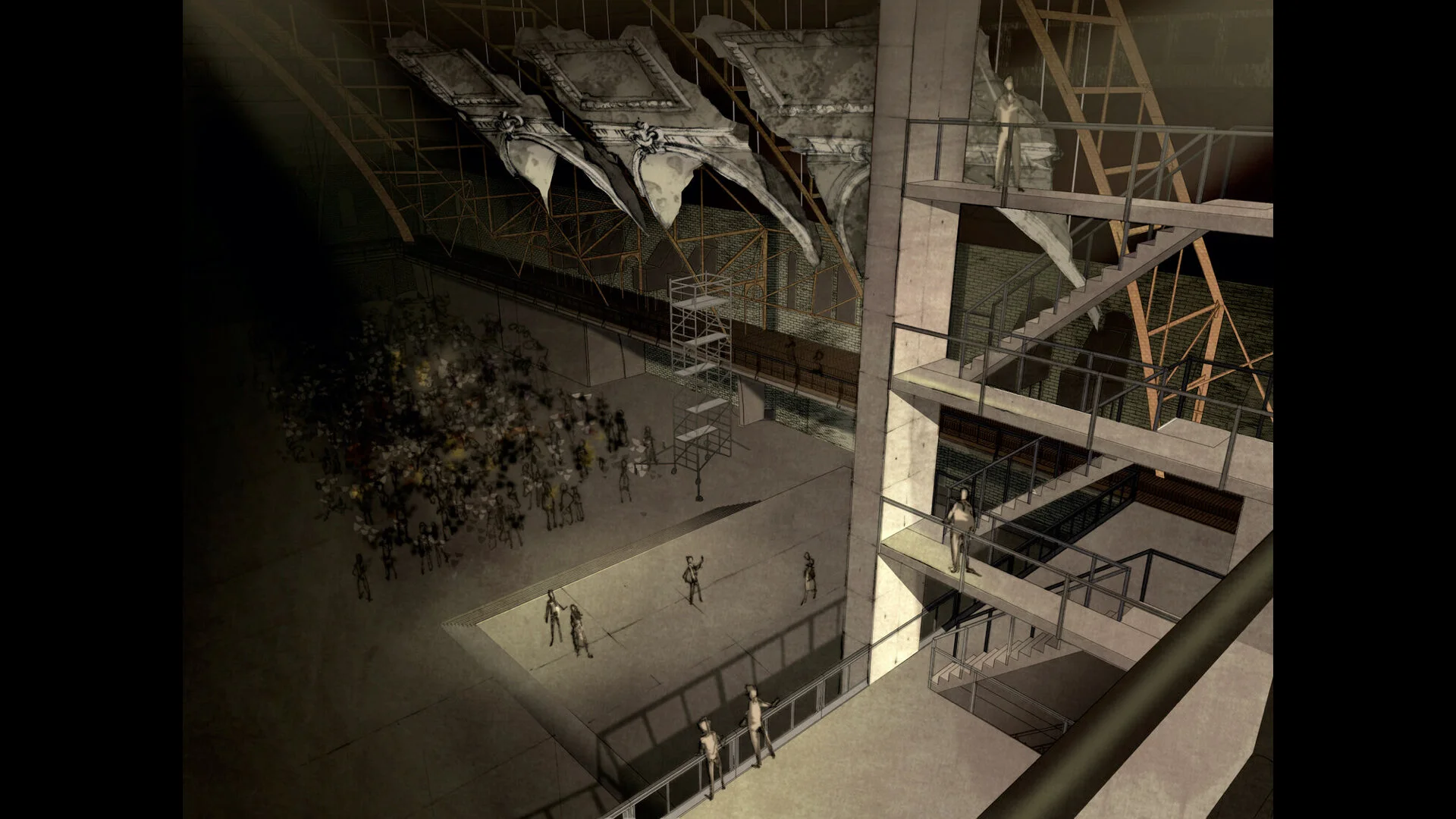
The first design was trying to essentially expose the entire Armory and locate the storytelling within that (enhanced) armory space
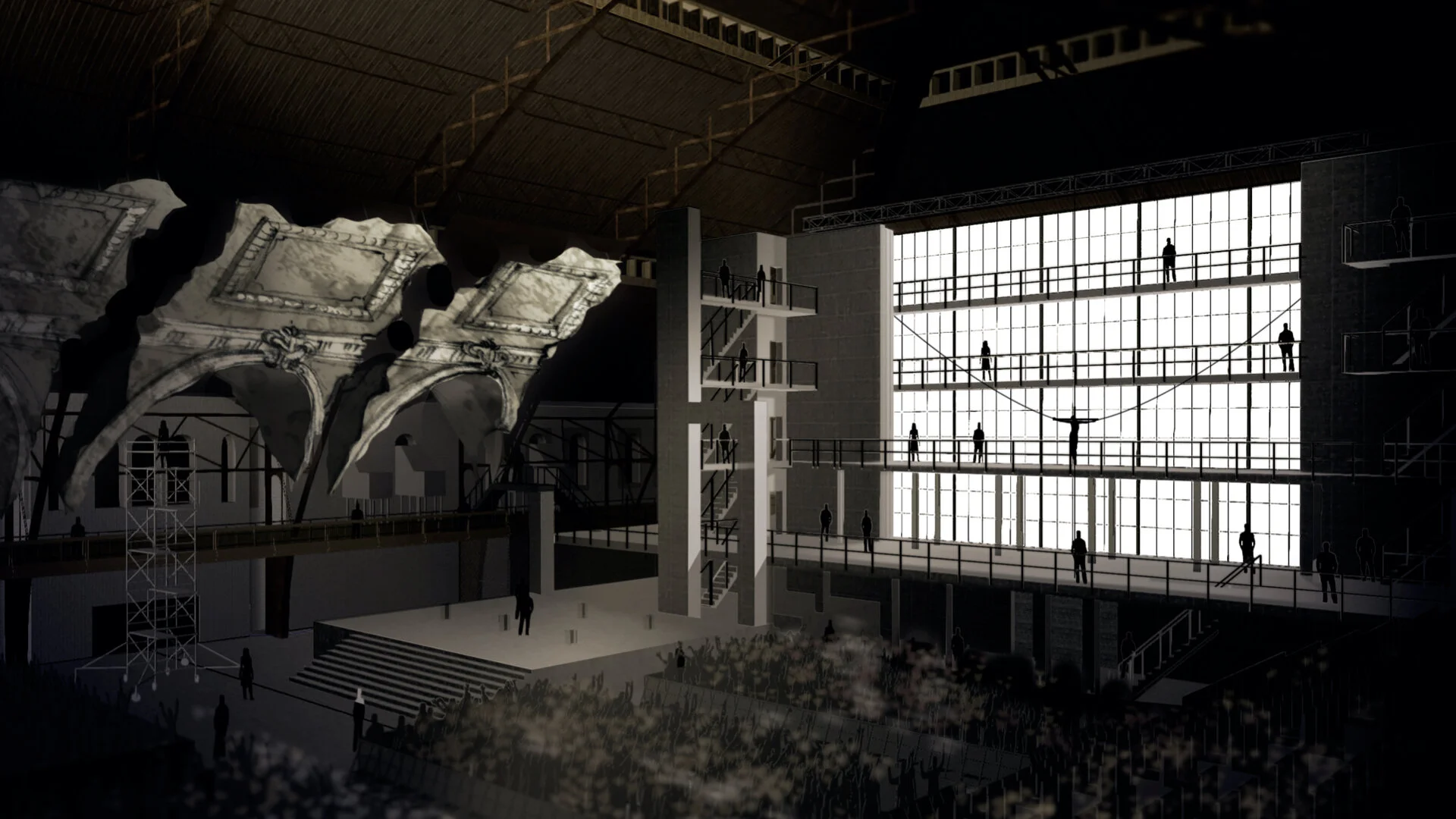
The idea was to imagine that the armory had a giant window on one end (it does not). As it turns out, this was in a way the inverse of the final design, which ended in light rather than beginning in light.
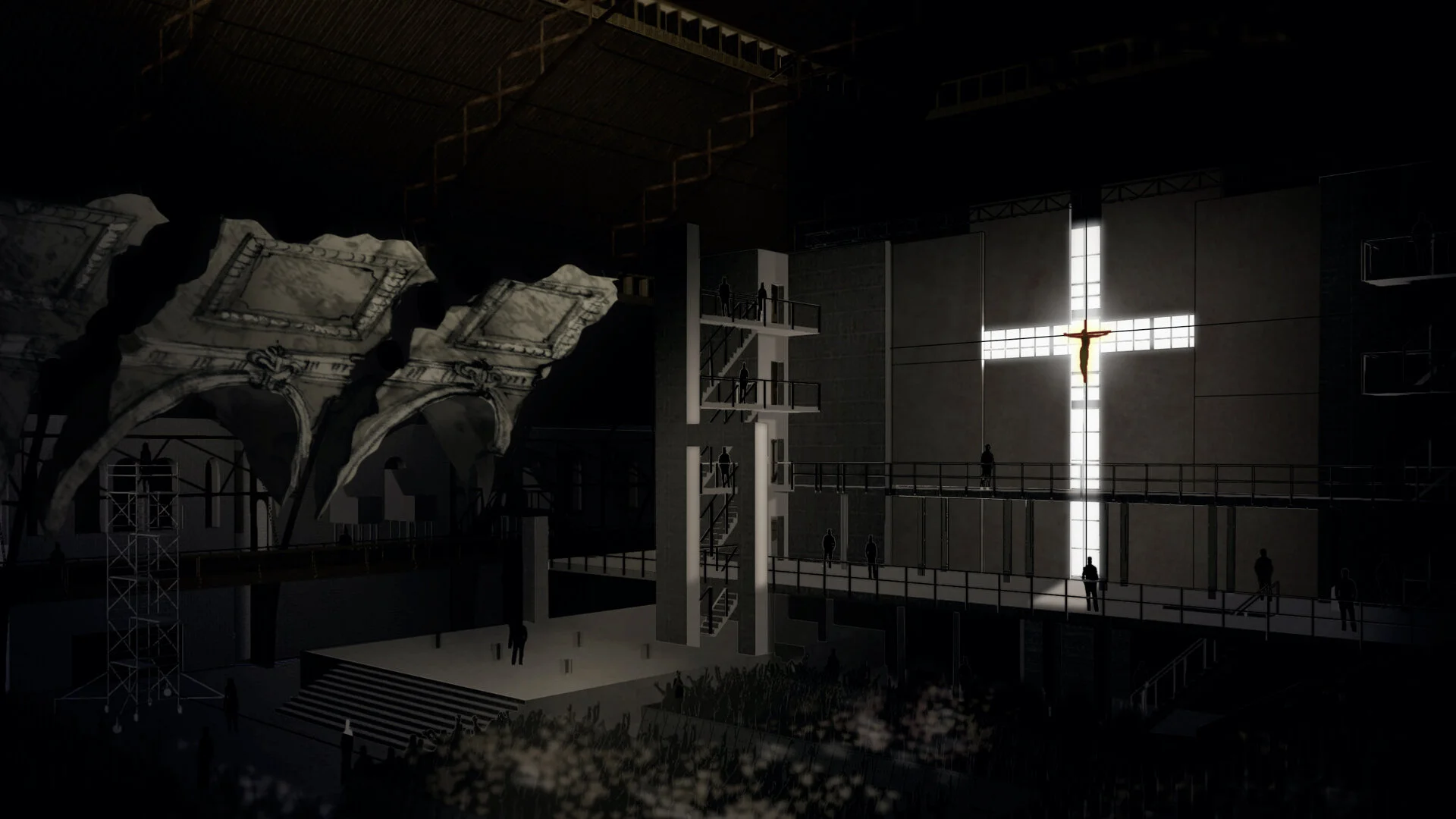
In this version of the design, the crucifix would have been created by the window getting closed down, as opposed the the final design where the wall cracked open to reveal the crucifix of light.
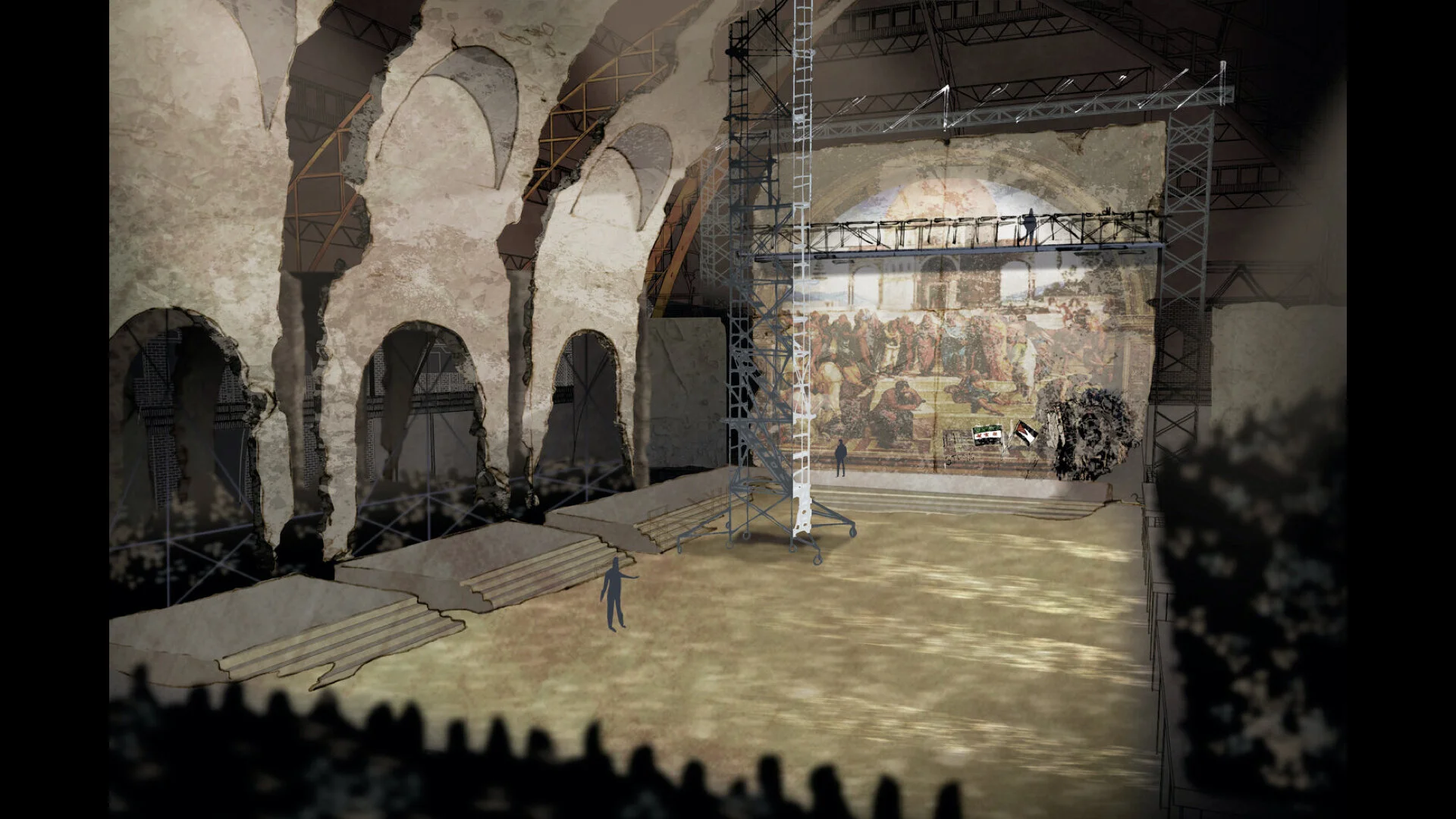
A further iteration of the original design, moving away from the window idea and starting to work on the idea of a broken ruin supported by scaffolding
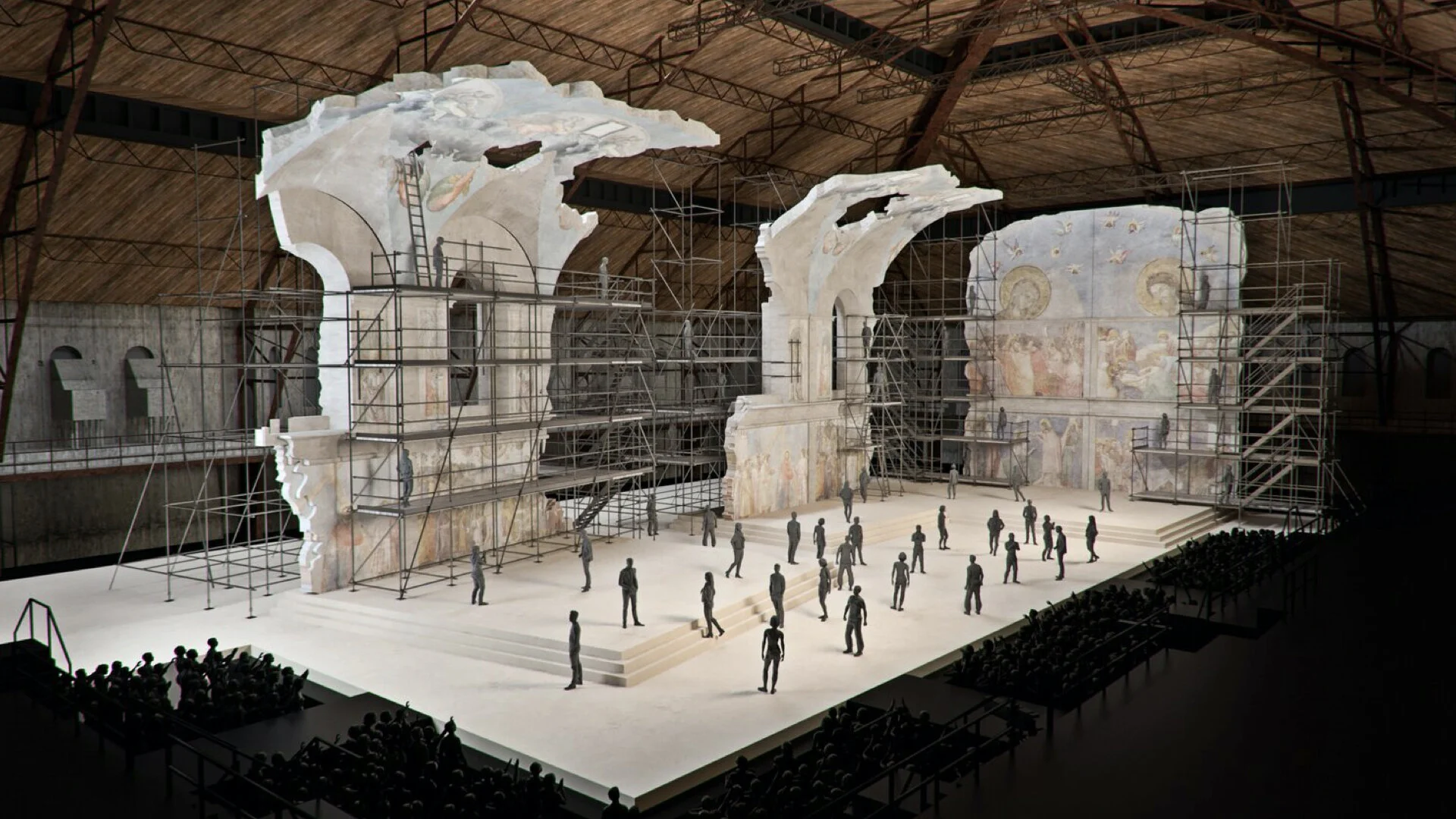
Starting to explore a version of the design that didn't try to fit the scale and structural bay language of the huge armory space
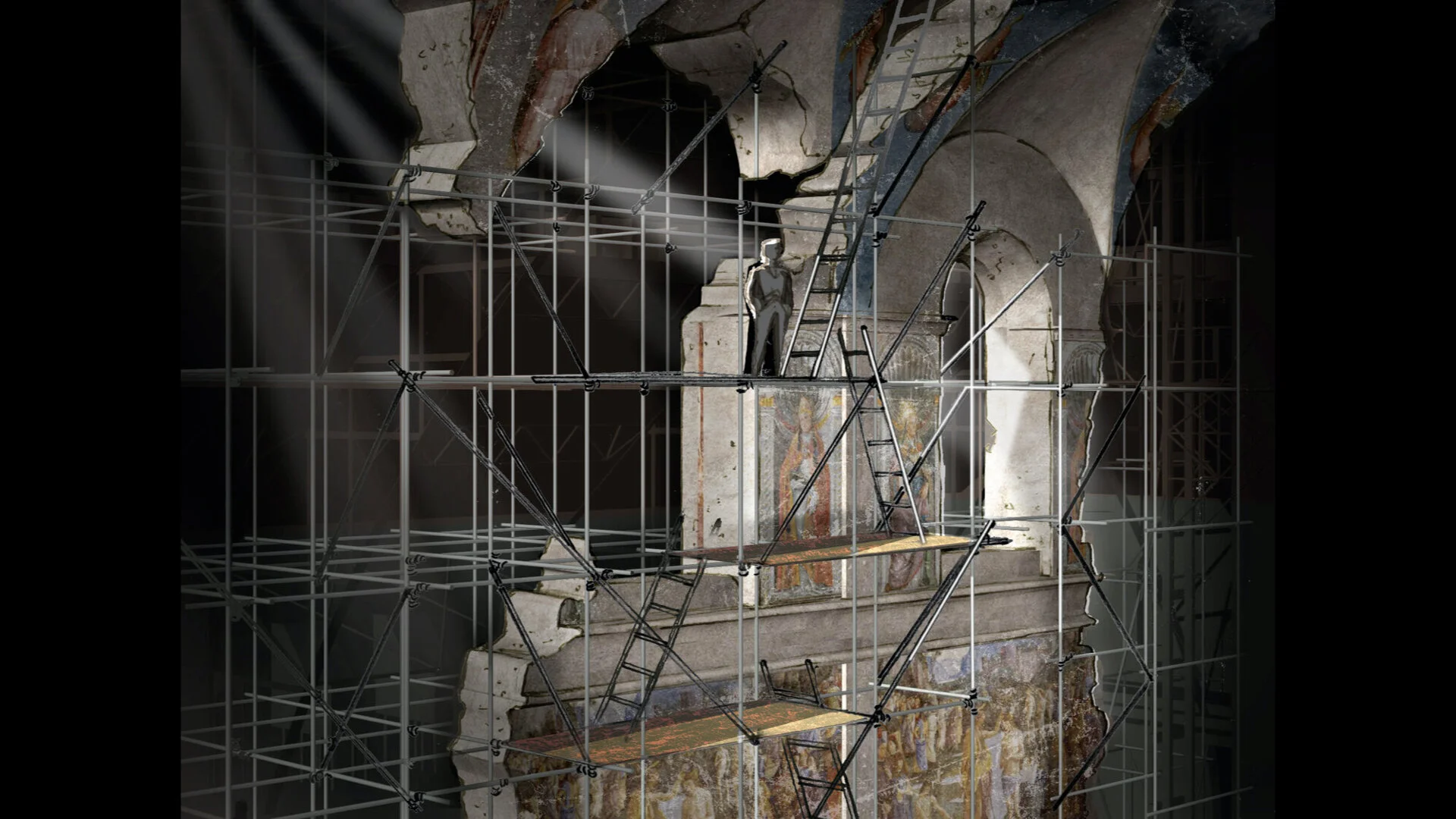
An early study, getting quite close to what ended up being the final design, but without enough handrails yet! : )
preliminary renderings
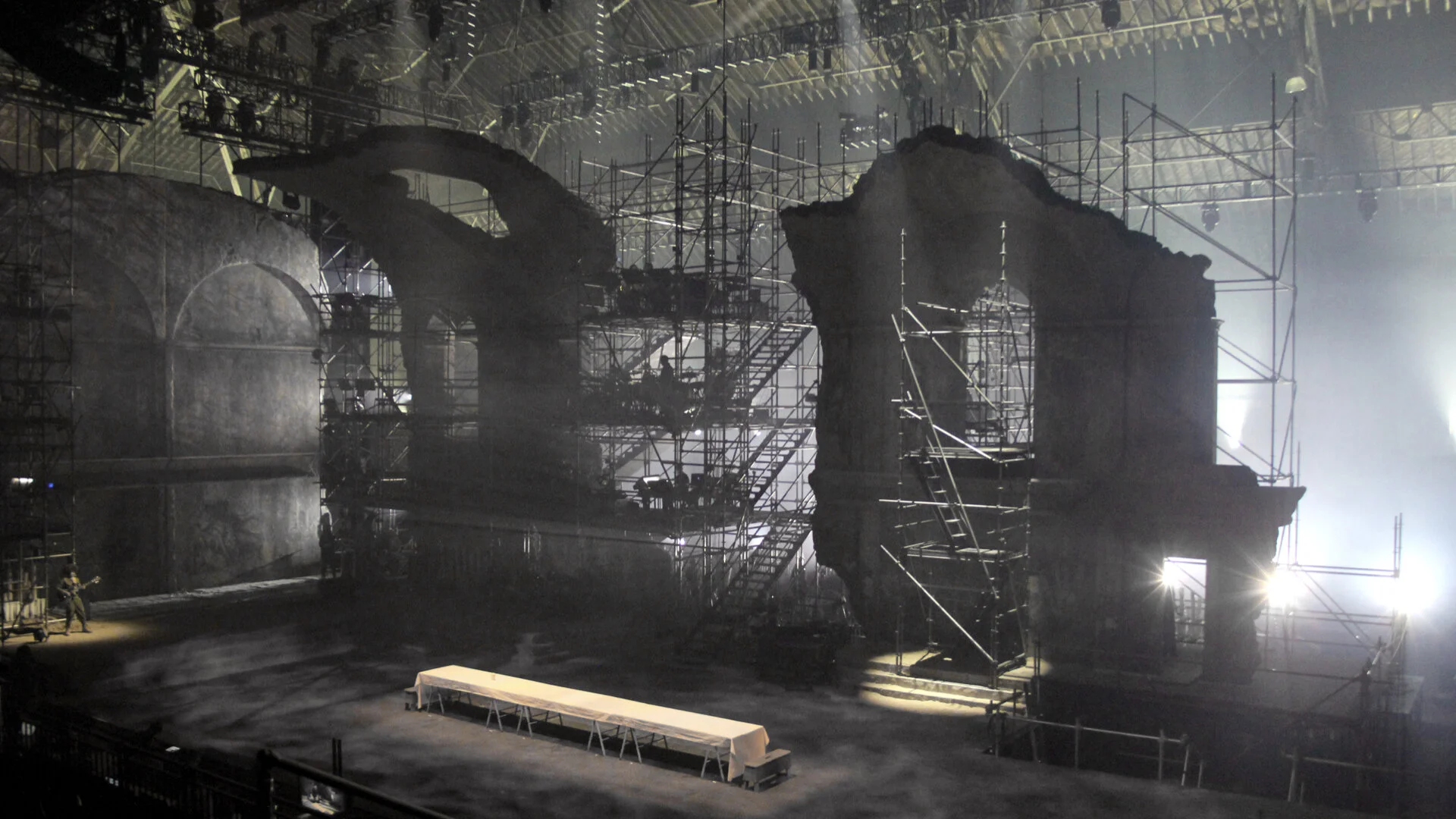
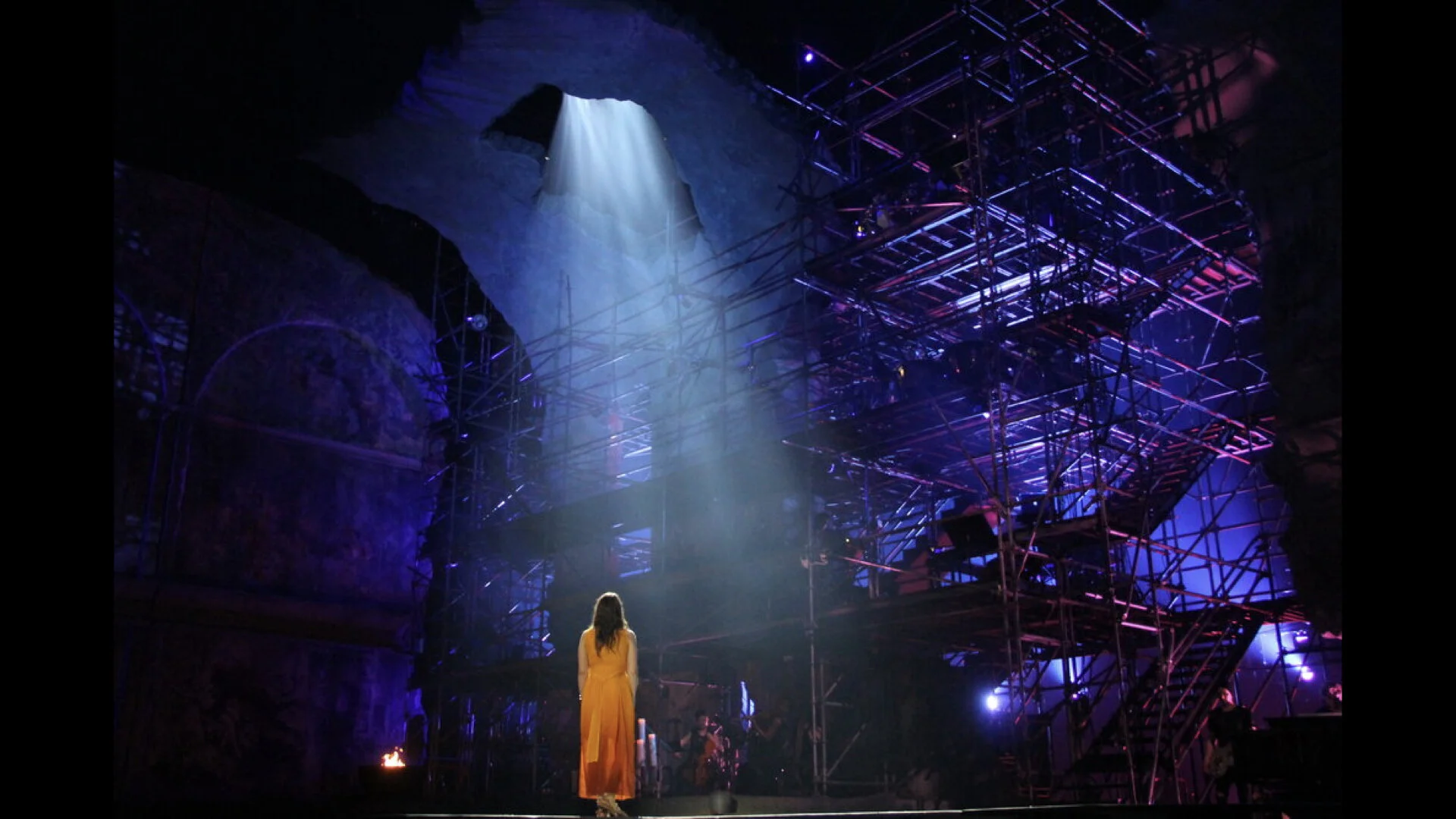
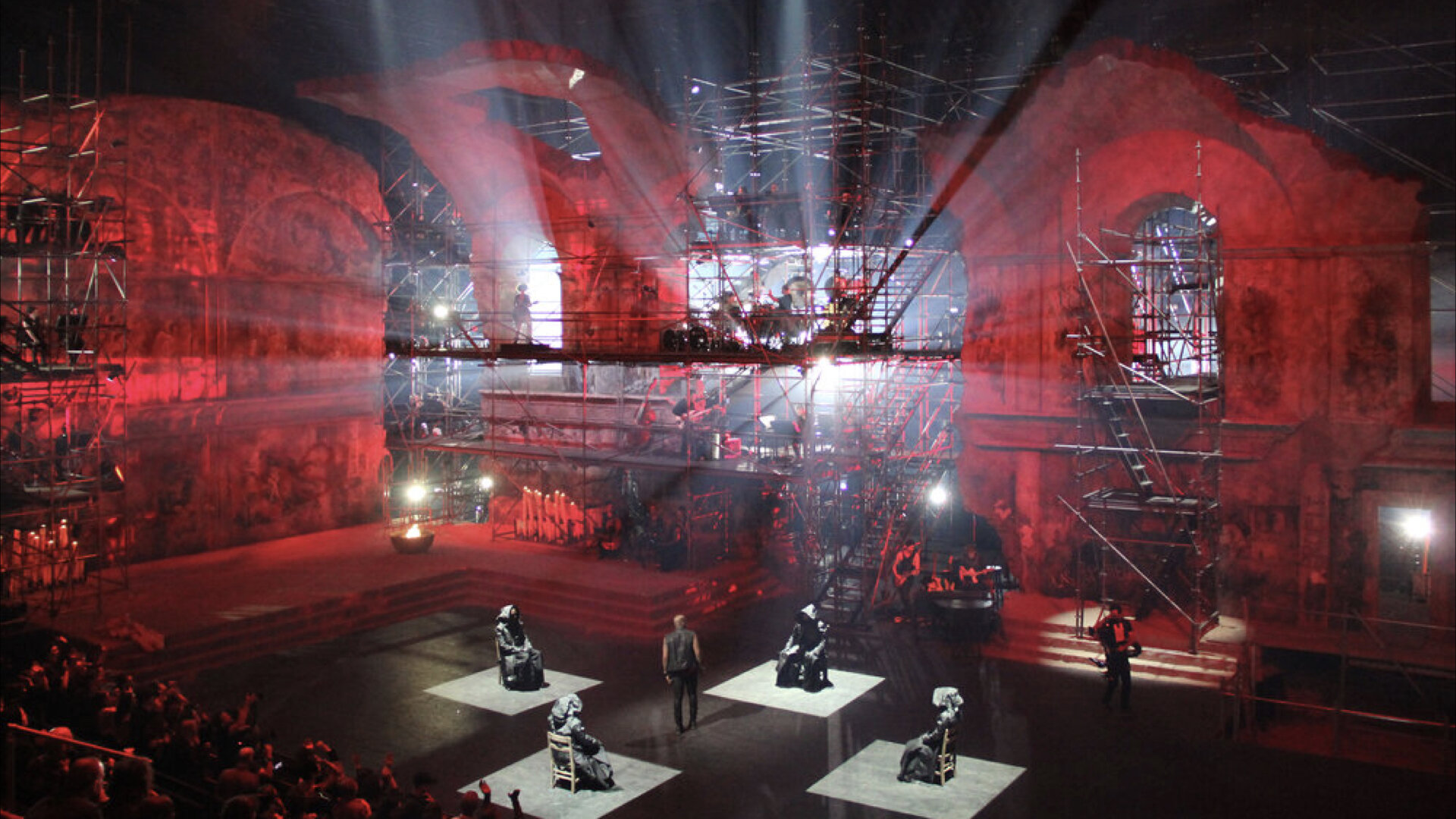
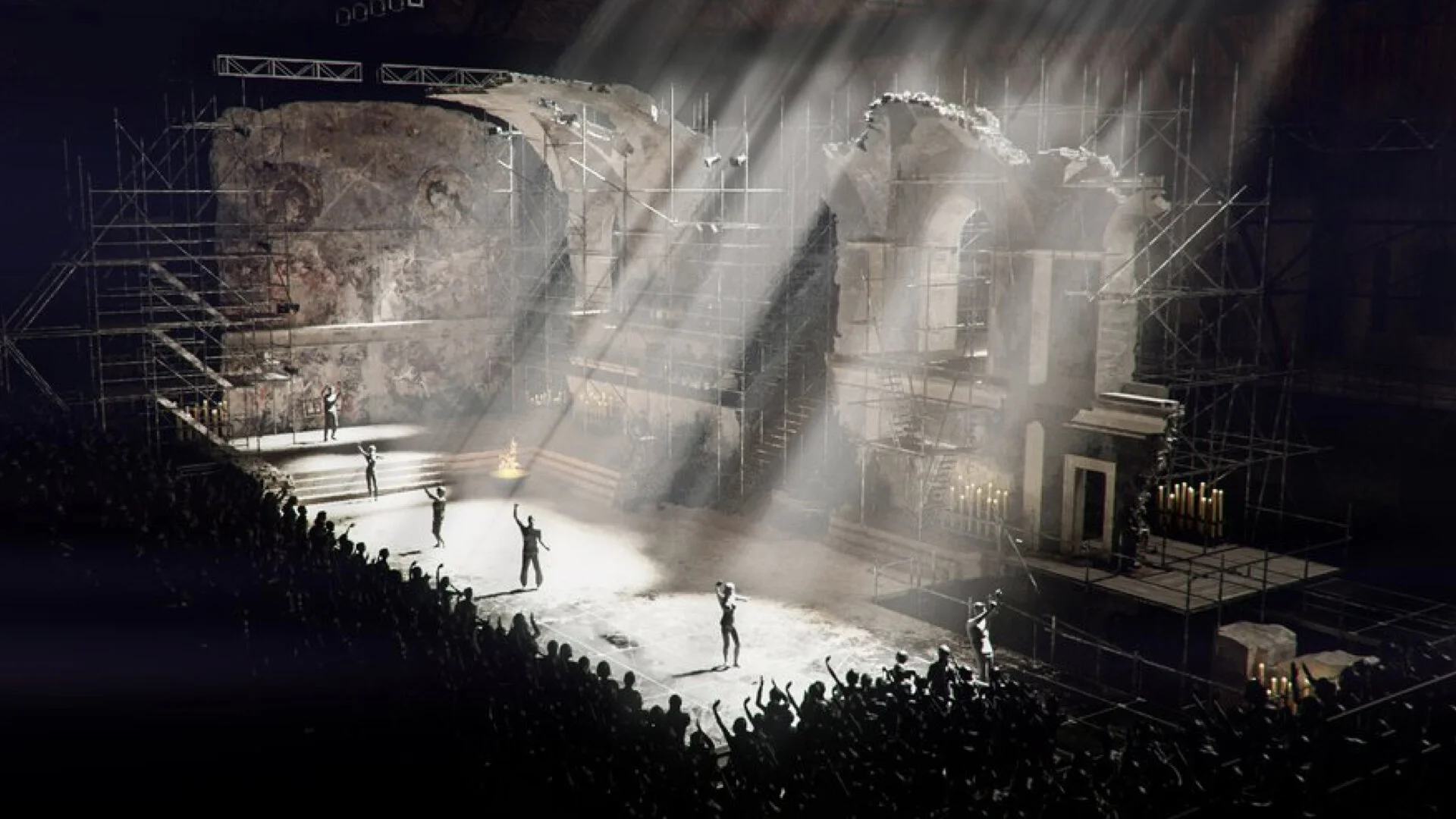
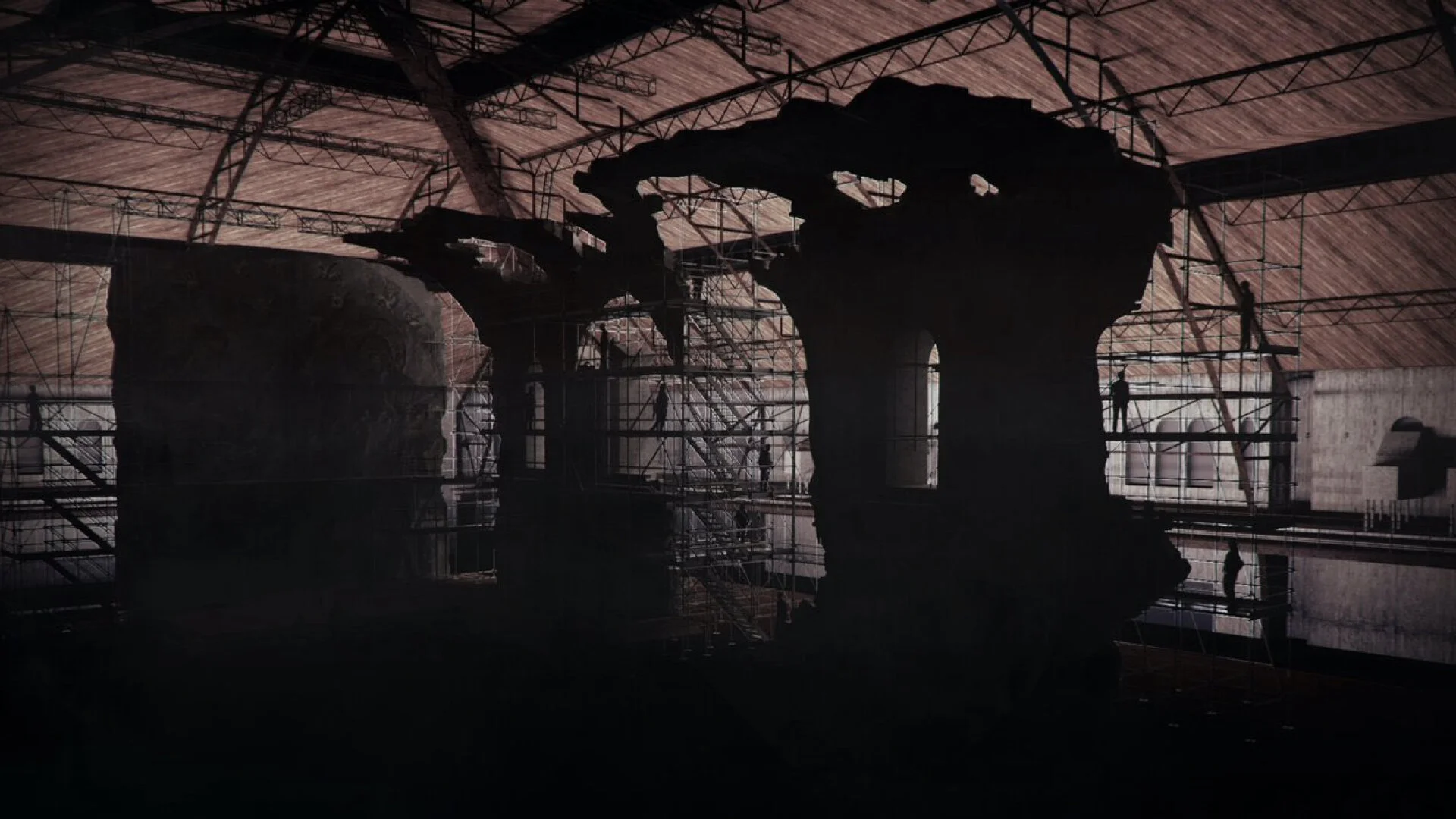
those early designs strongly informed what became the final design idea. incorporating the existing structural steel of the armory proved to create much too large of a space, so the idea became more about pieces of a broken ancient church being placed inside this large raw armory space, being supported and pinned together with steel scaffolding, creating elements of operatic scale (broken religious architecture), rock concert (steel scaffolding and crowds of people), and the ability to at times transcend the specificity of the room by evoking a more timeless texture and space. this phase of the design process was done mostly in 3d vectorworks modeling (by dan soule), and rendering in cinema 4d (by evan alexander), photoshop renderings (by jeff hinchee). this was an amazing way to explore and develop ideas in the context of light and shadow and camera angles.
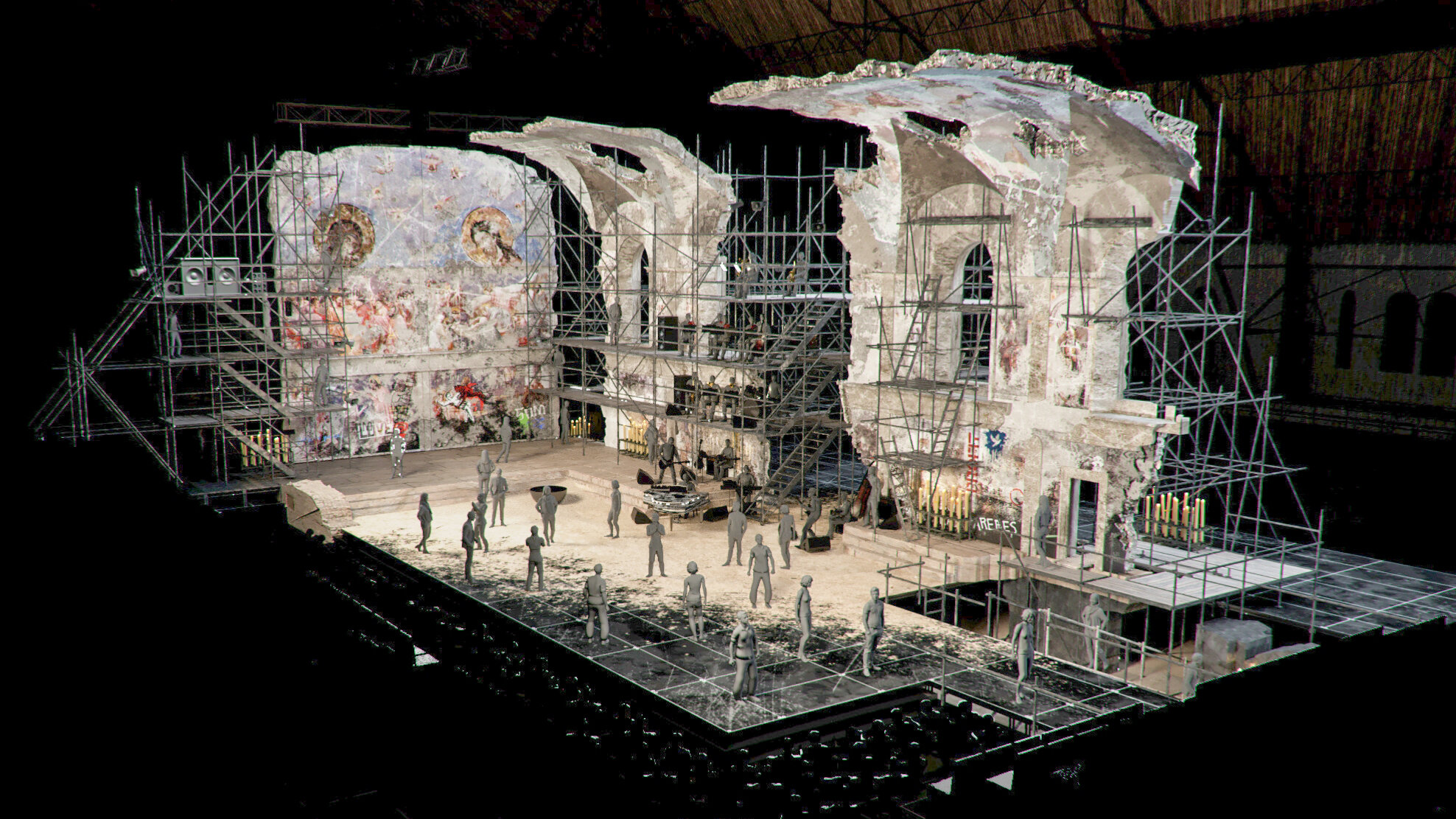
The preliminary design included a larger ceiling component than we ended up with and there was a time where the floor was going to be covered with sand...
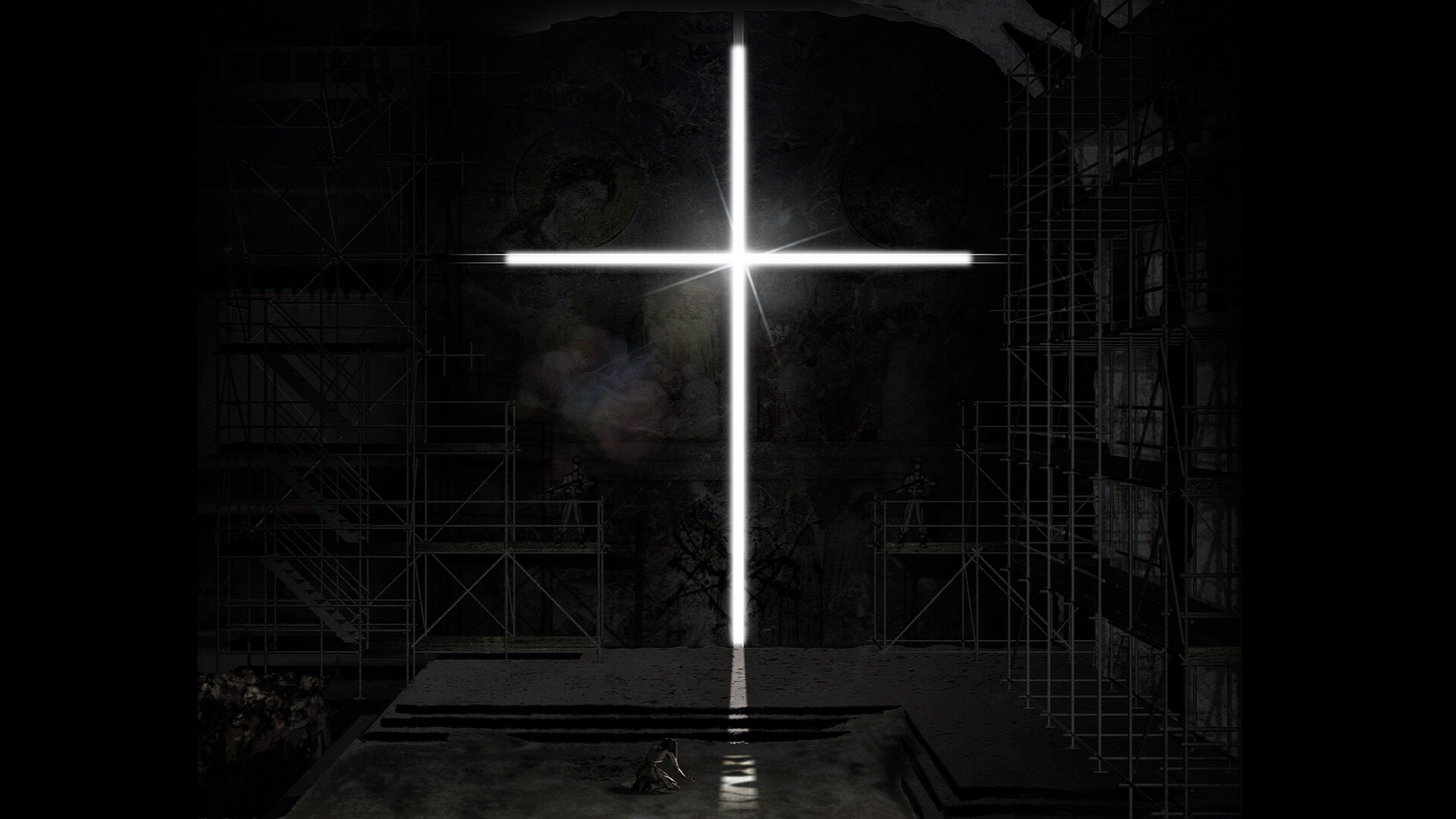
The crucifixion sequence of the wall breaking open in an early form
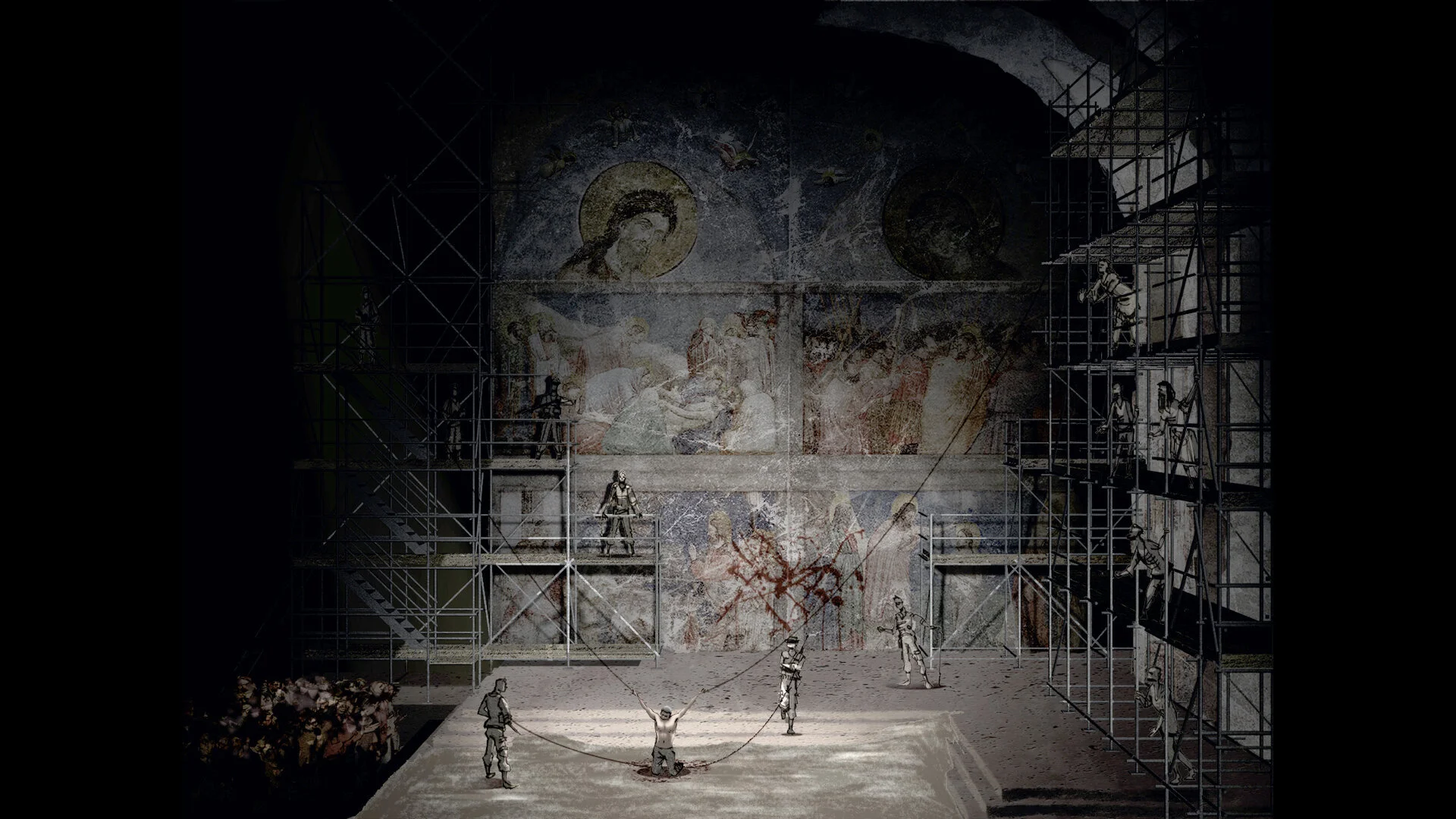
An early idea of how to do the "39 Lashes" number in a somewhat stylized language and incorporating paint on the fresco walls
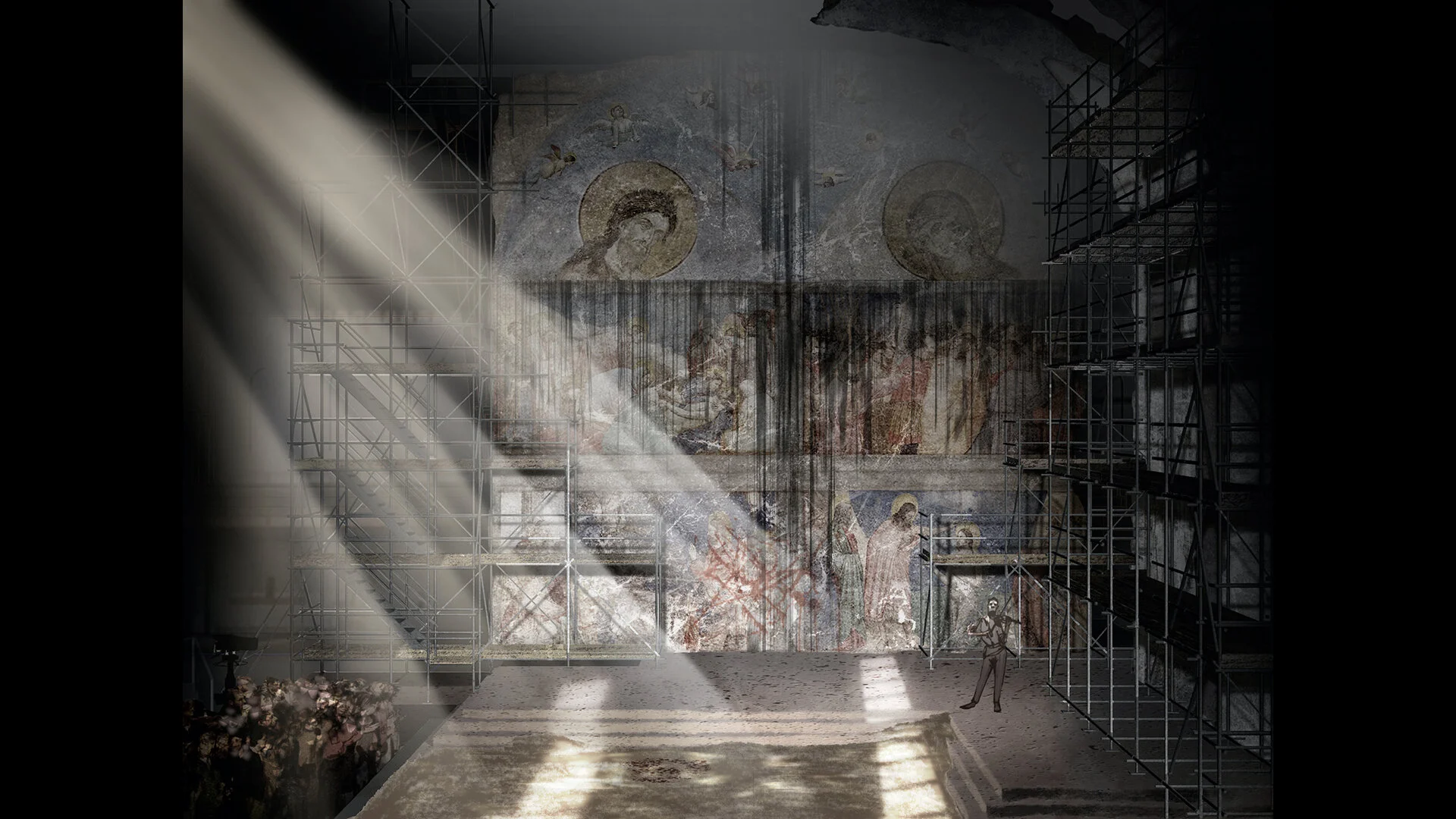
A rendering showing an early idea of the cross shape in the wall “weeping” after the crucifixion, and the “sun” streaming into the armory through the actual windows of the venue.
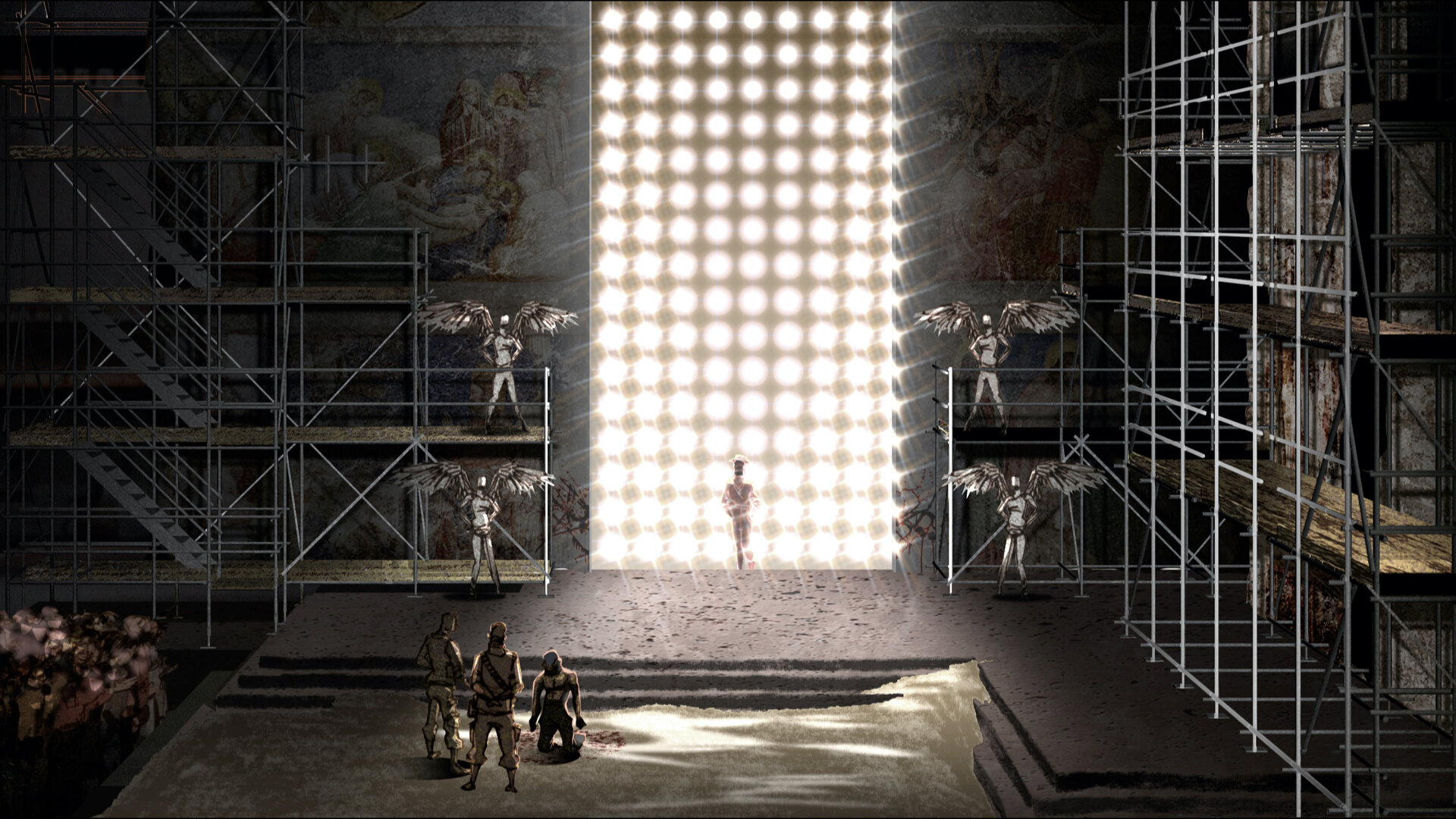
The early vision for Judas' entrance for "Superstar"
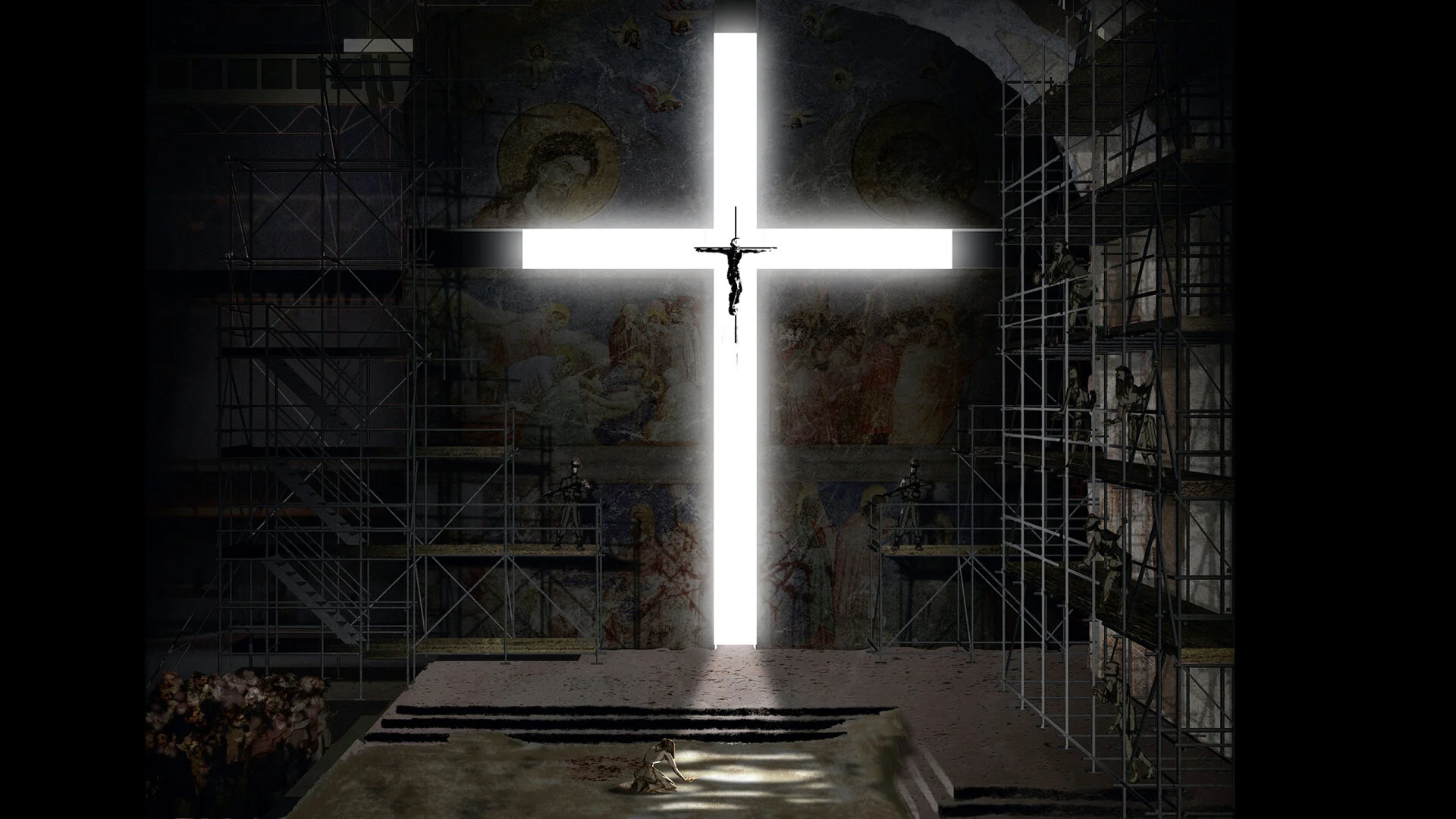
The crucifixion sequence of the wall breaking open in an early form
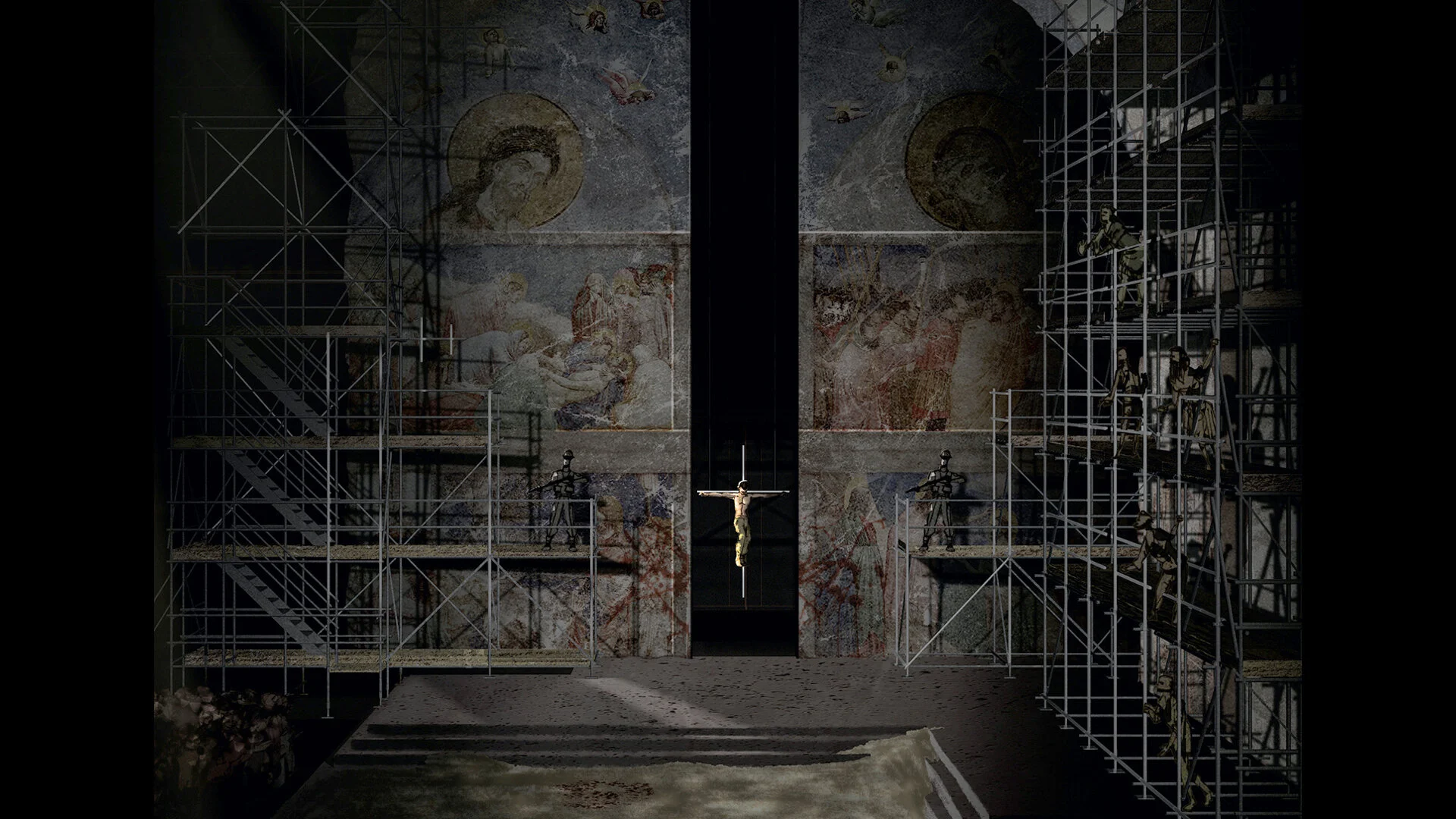
The crucifixion sequence of the wall breaking open in an early form
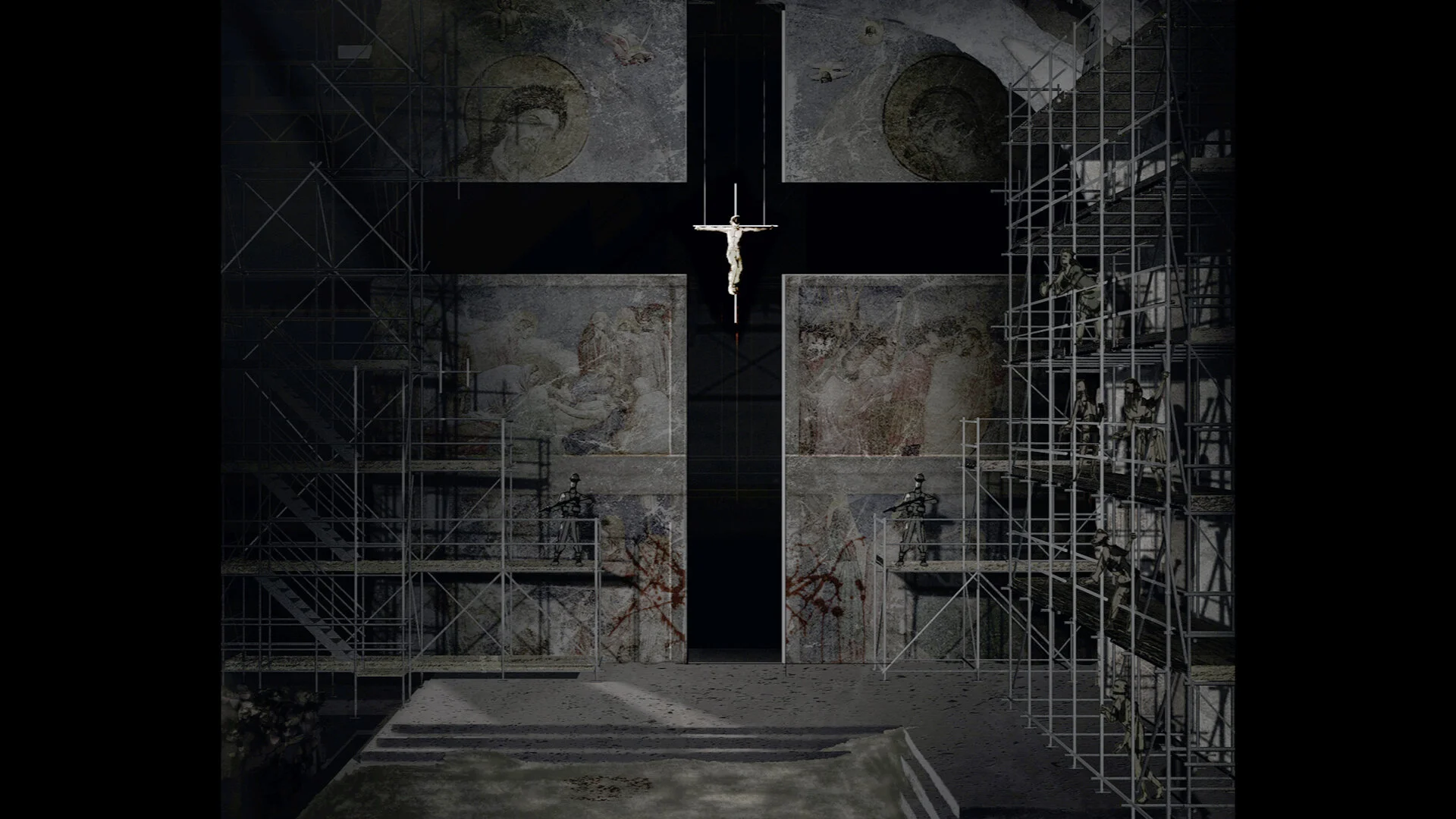
The crucifixion sequence of the wall breaking open in an early form
final renderings
the following renderings represent the final design presented to nbc and the jcsl creative team. these images were made by a number of extremely talented people. dan soule did most of the 3d modeling in vectorworks. evan alexander did additional modeling all the rendering in cinema 4d. jeff hinchee and tijana bjelajac worked on the texture-mapping of the stone surfaces as well as additional photoshop work with the renderings.
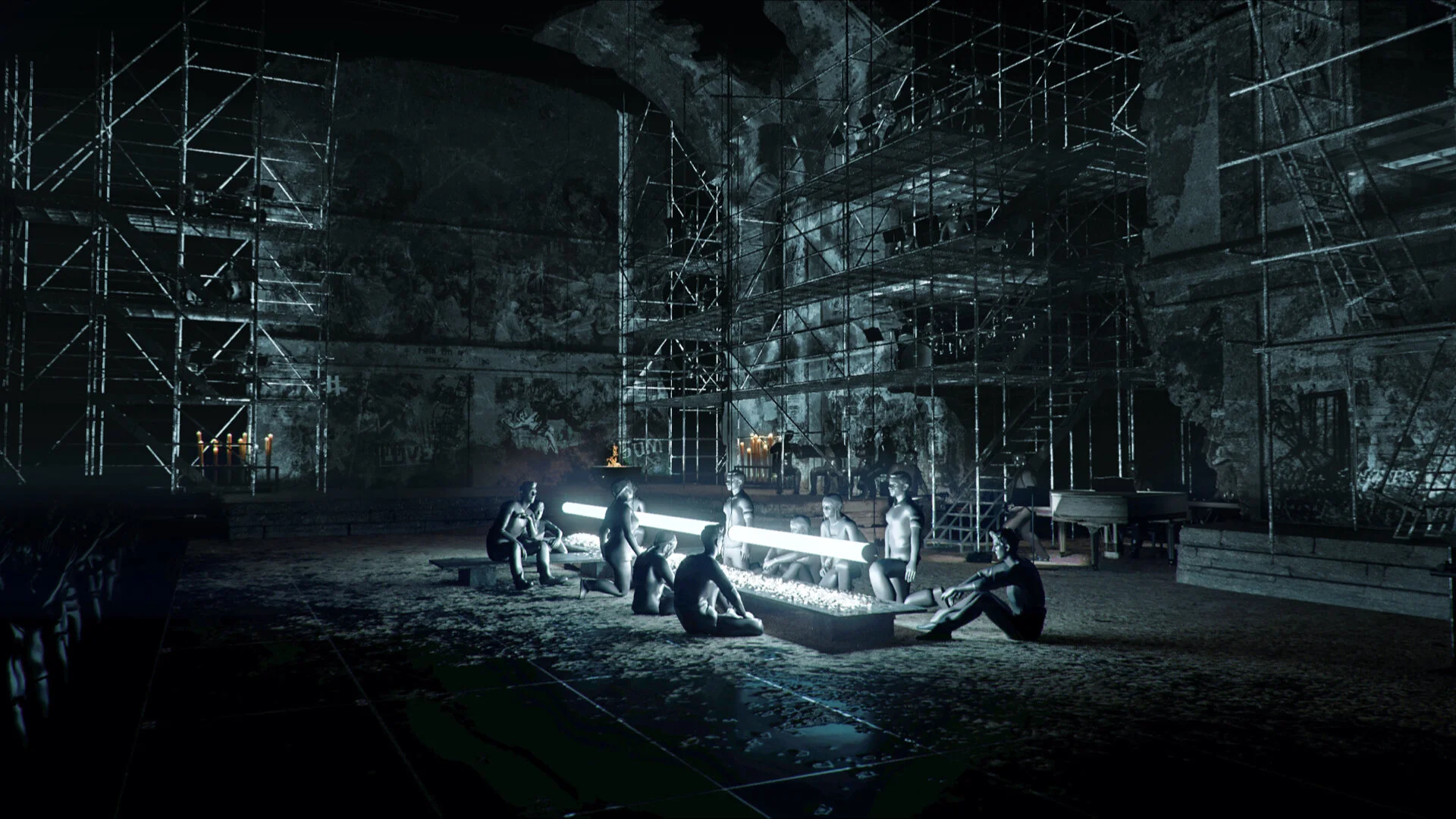
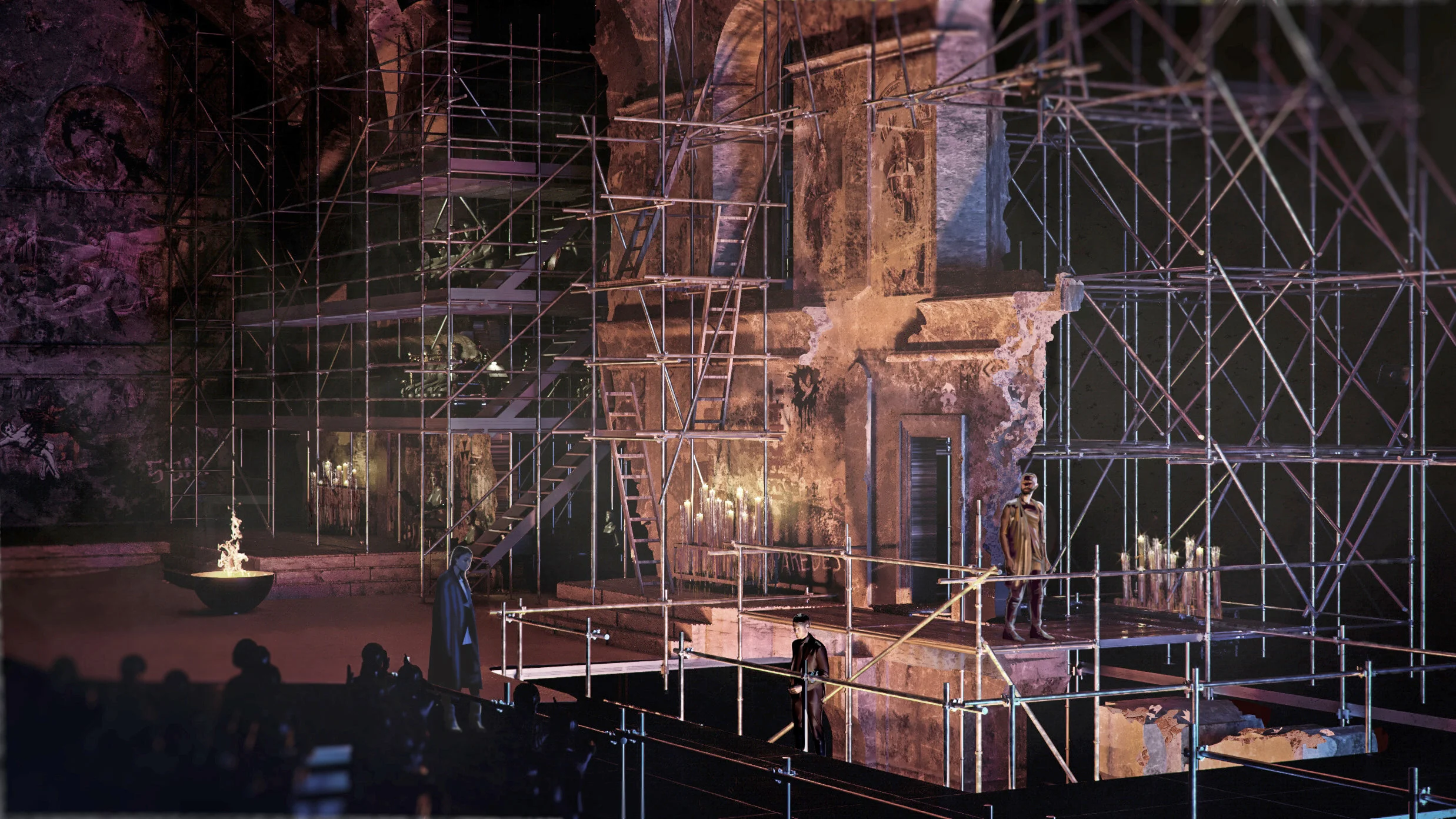
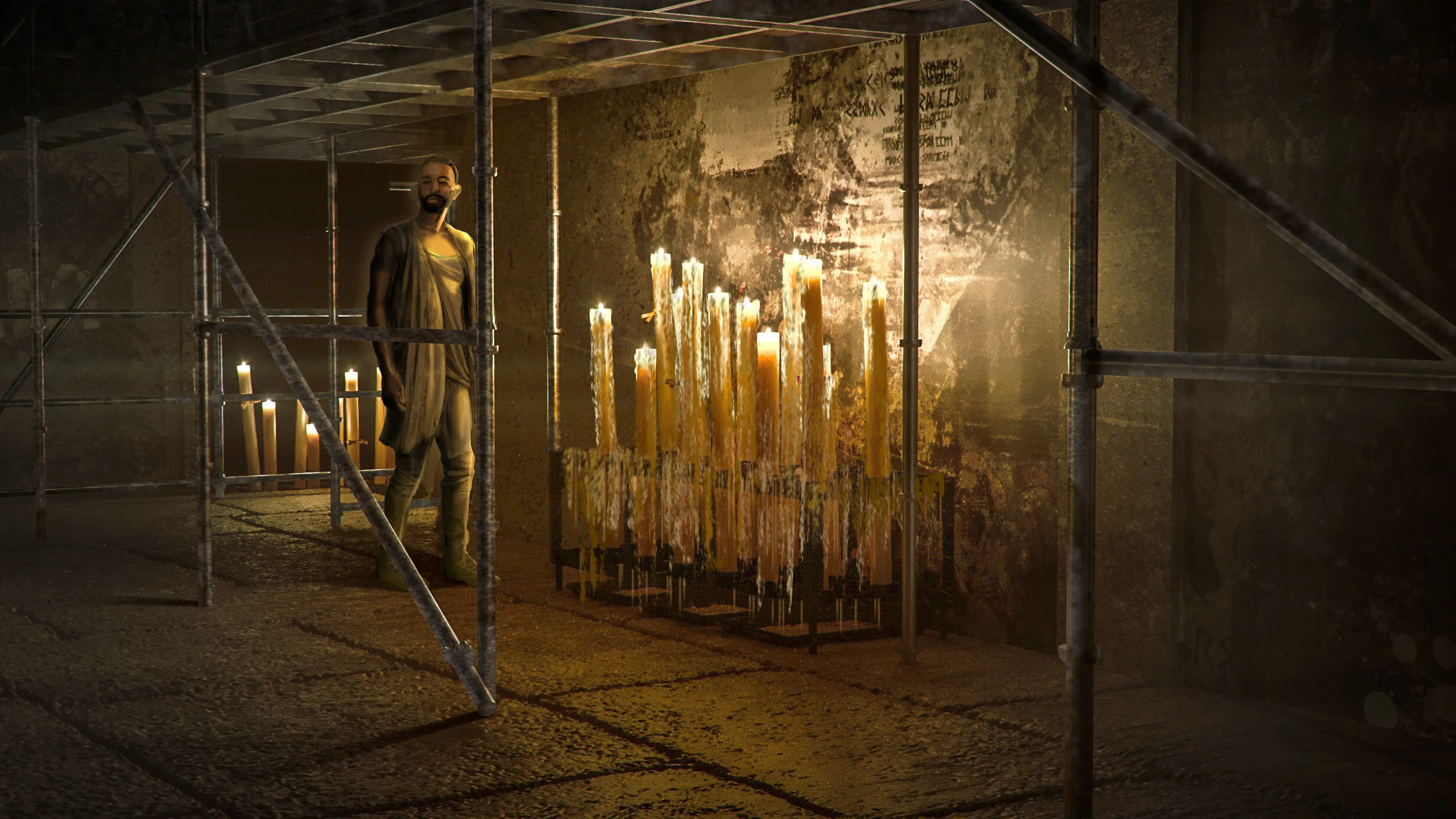
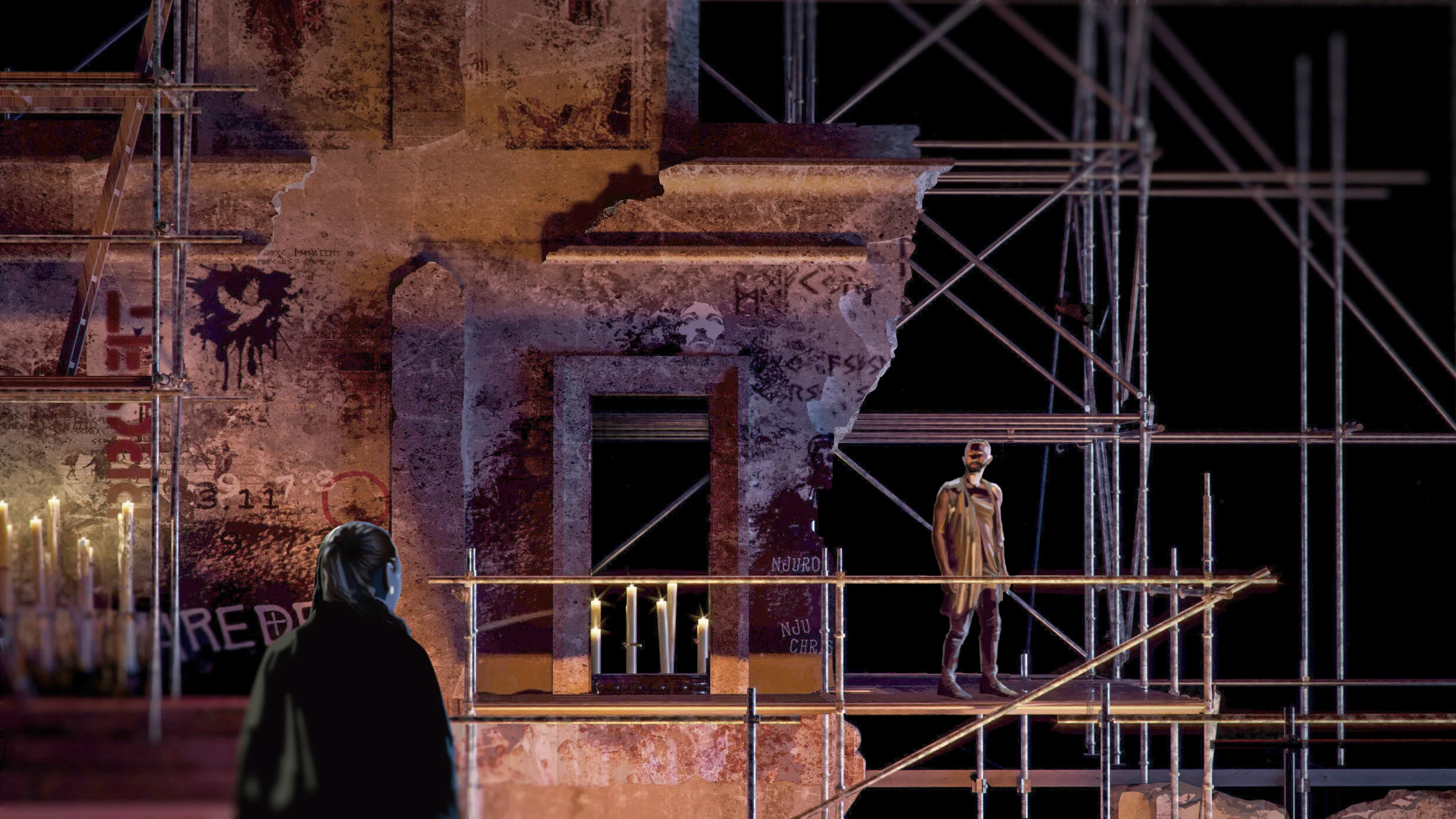
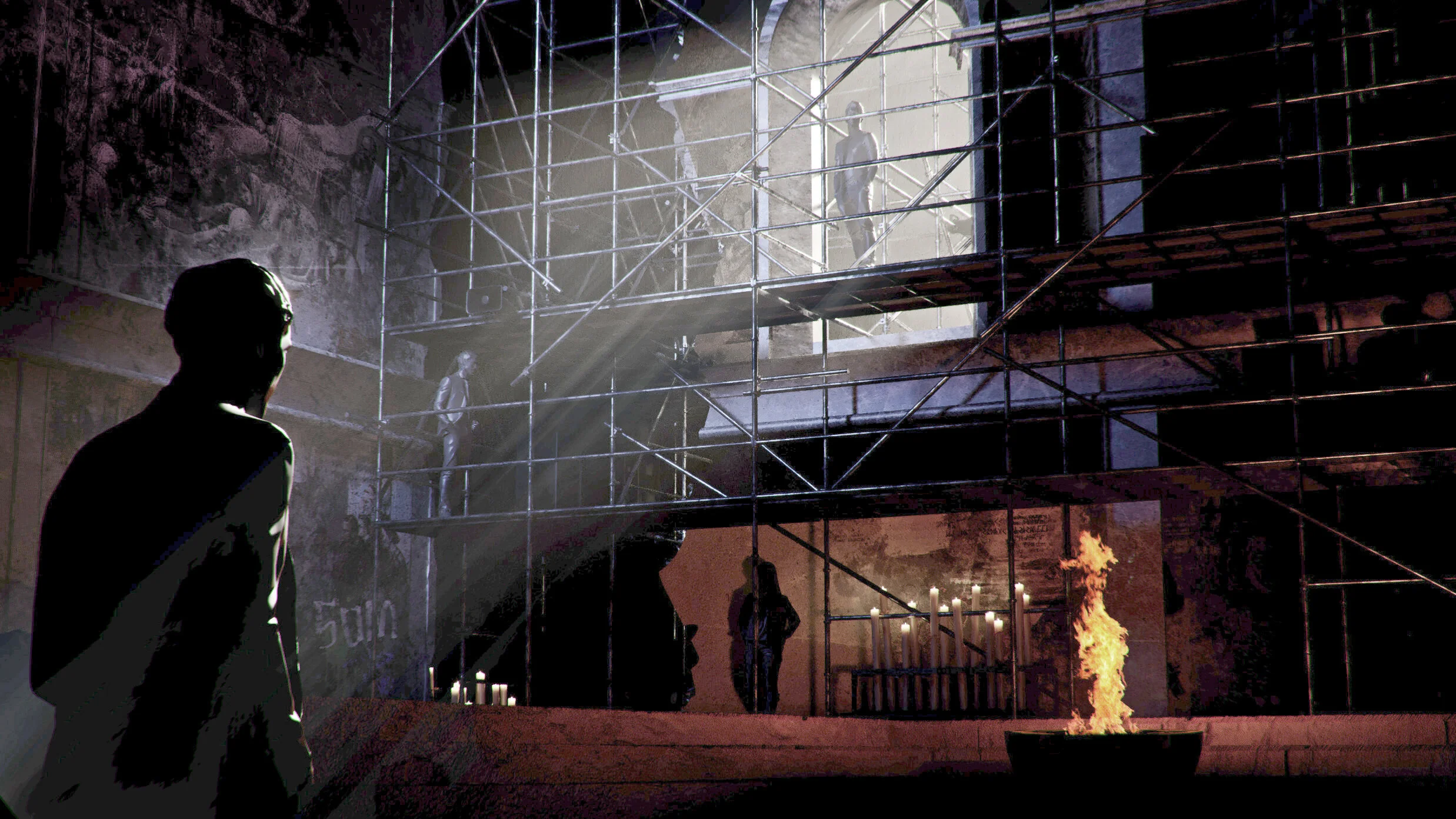
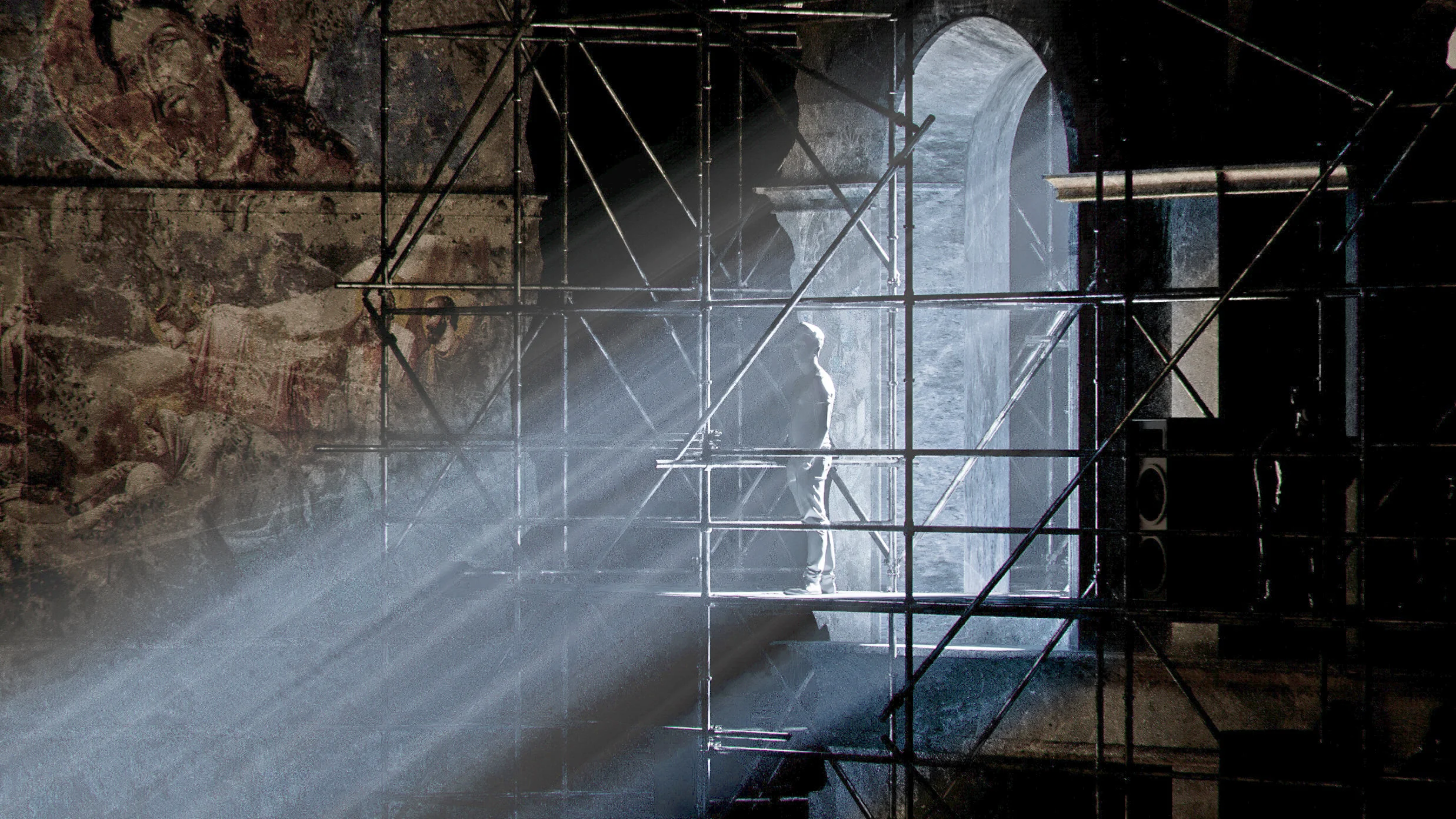
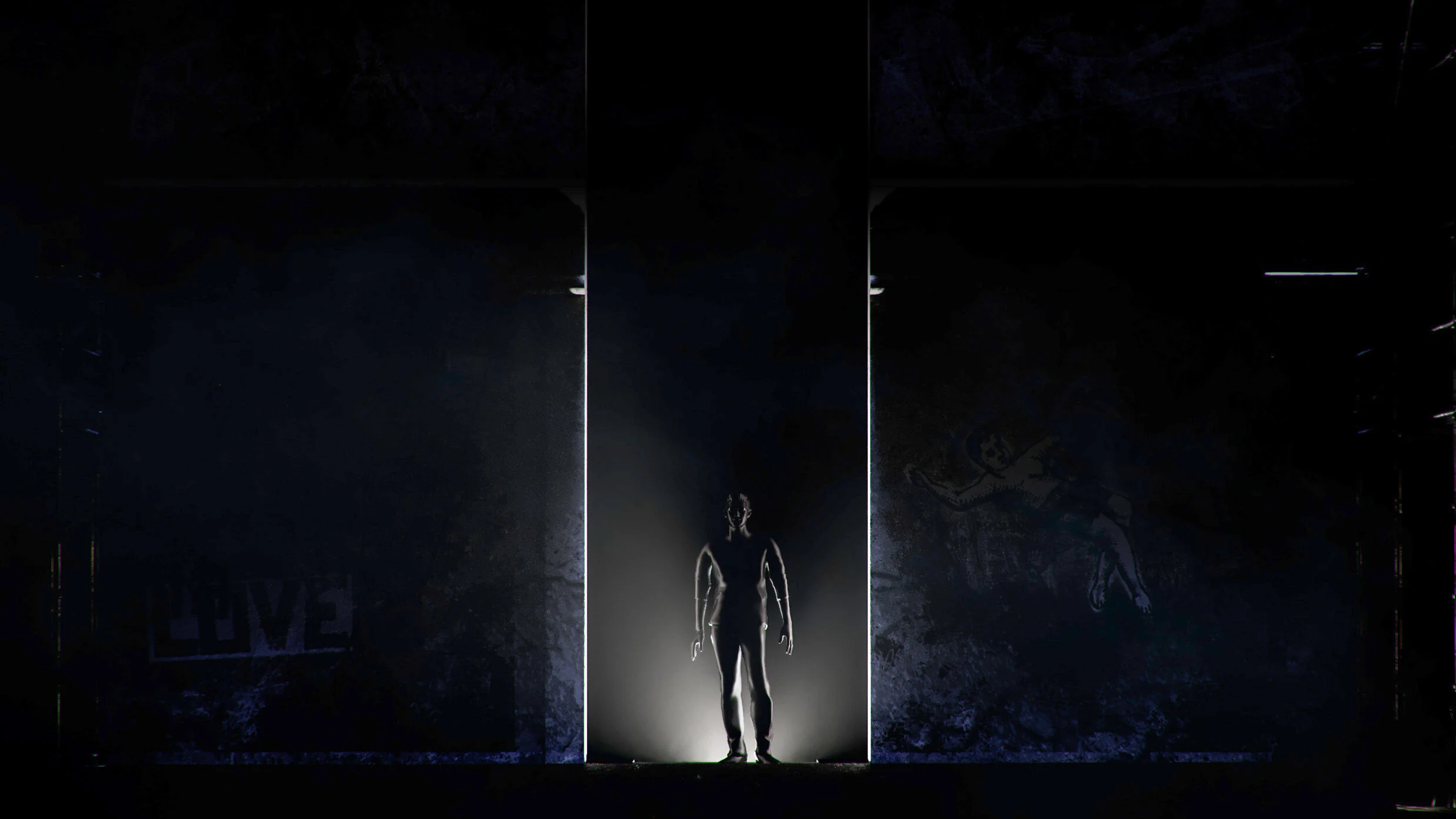
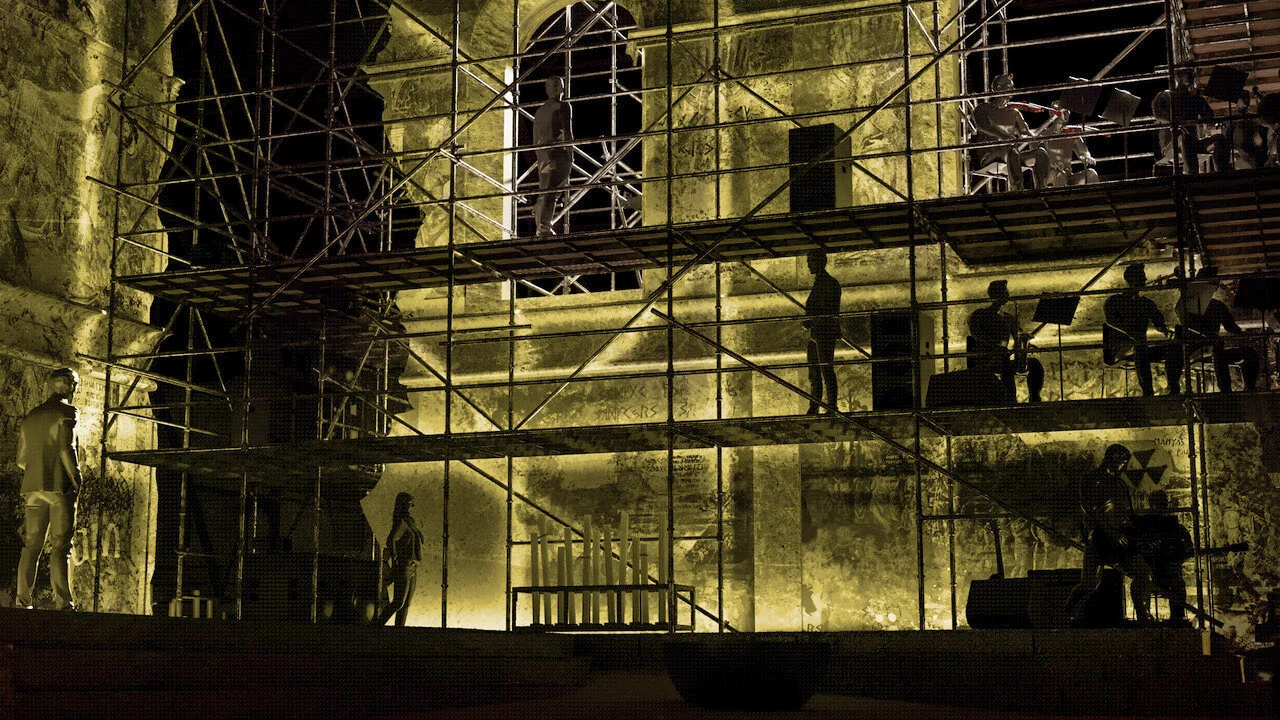
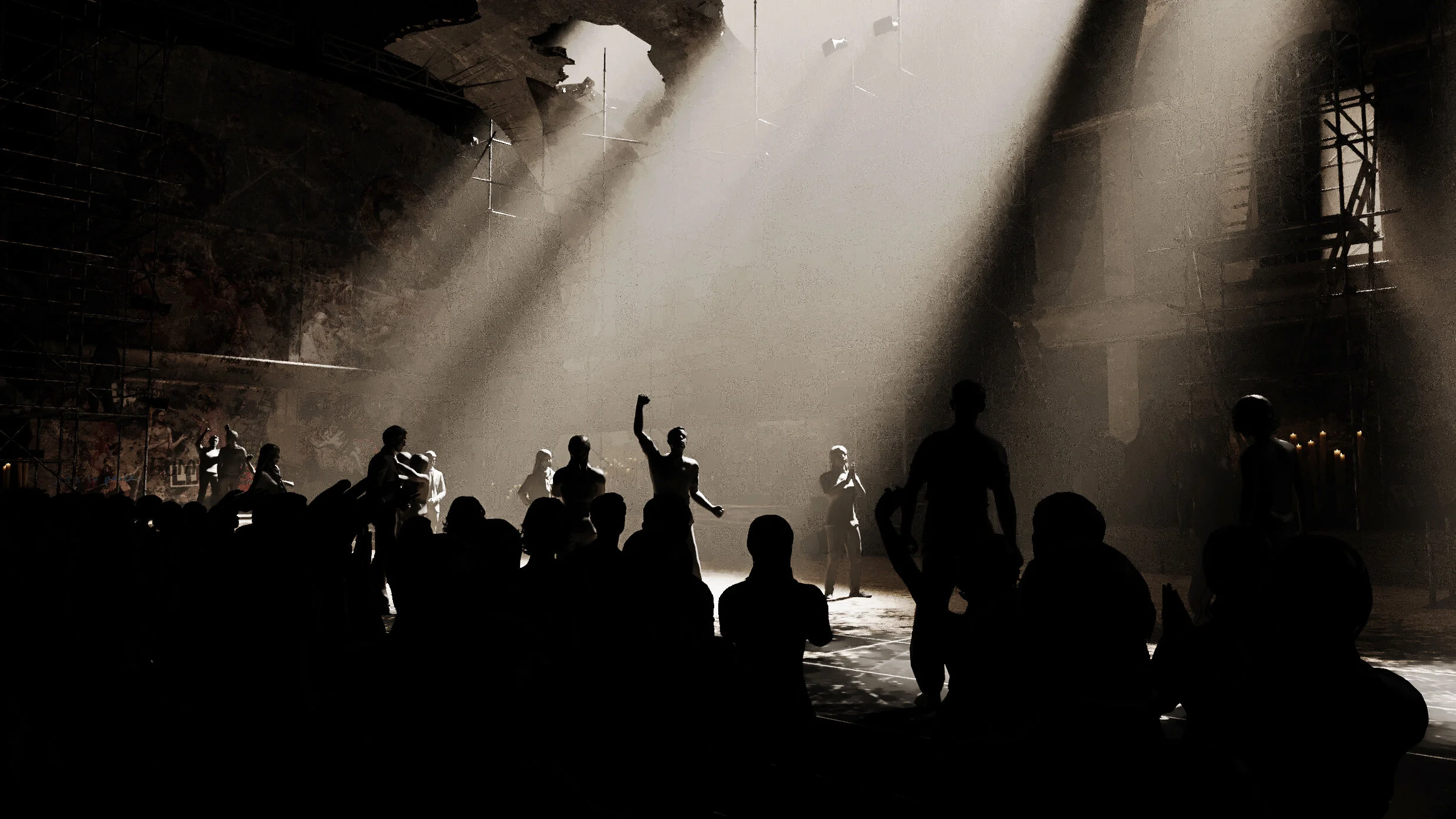

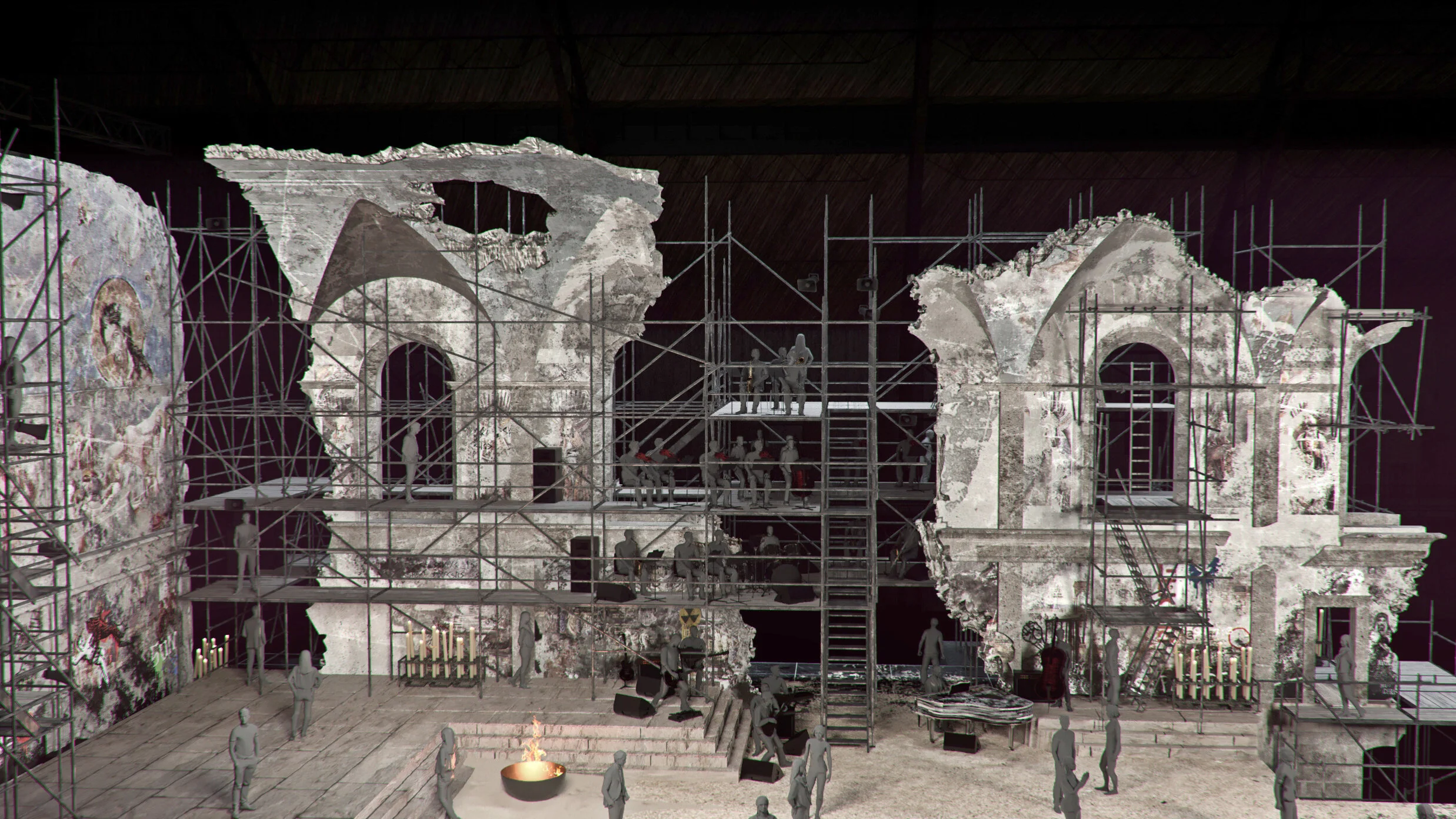
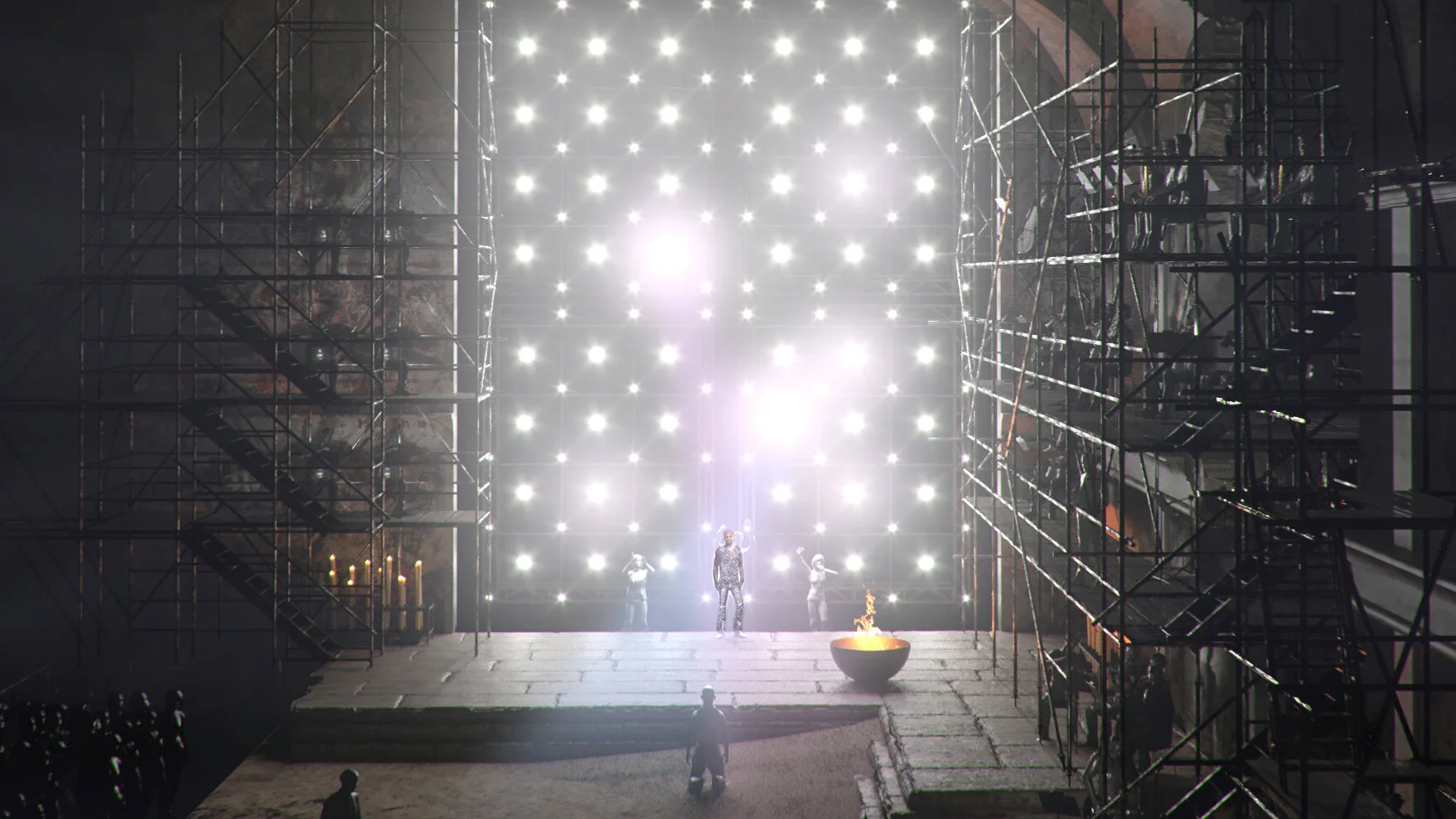
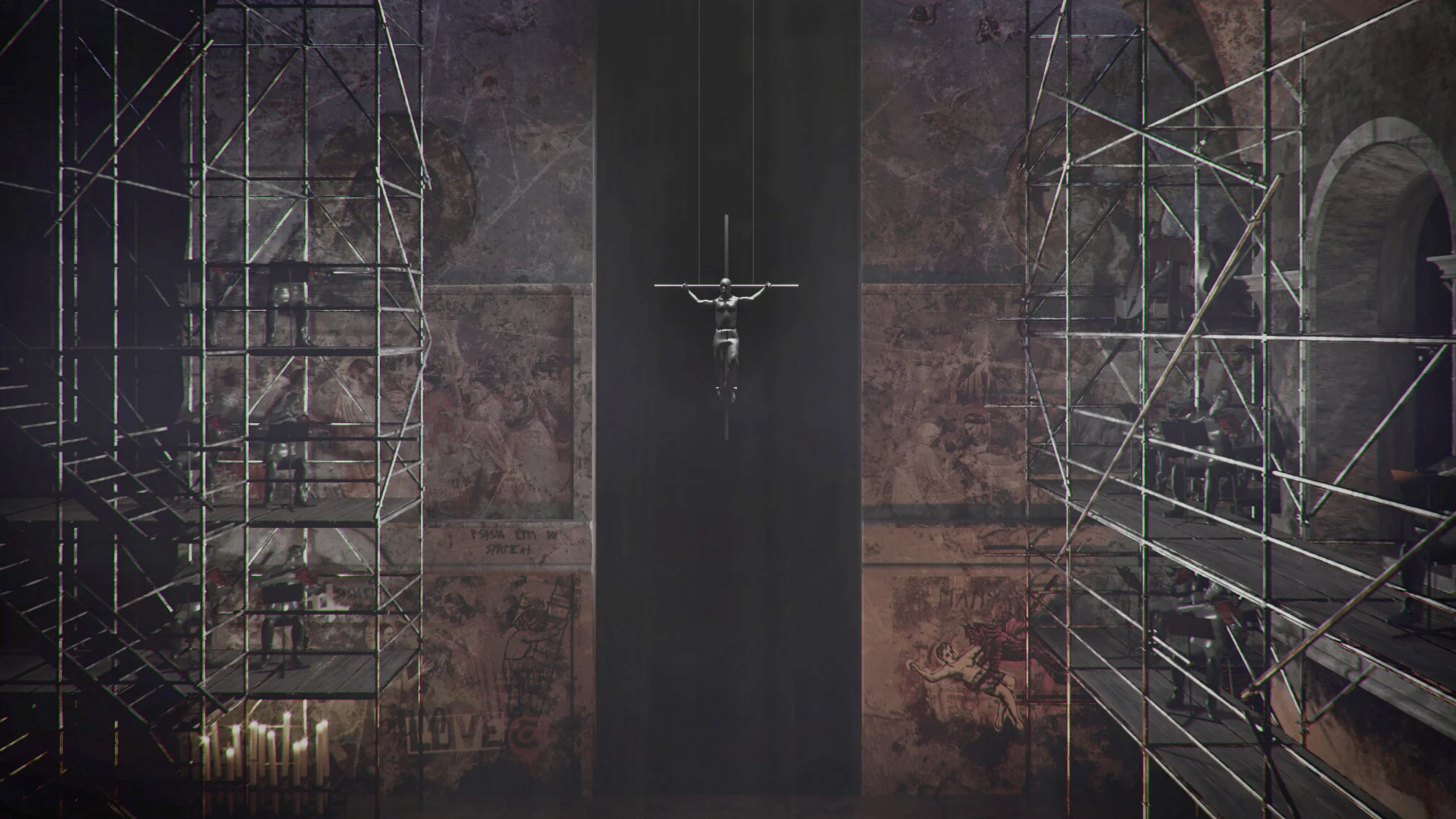
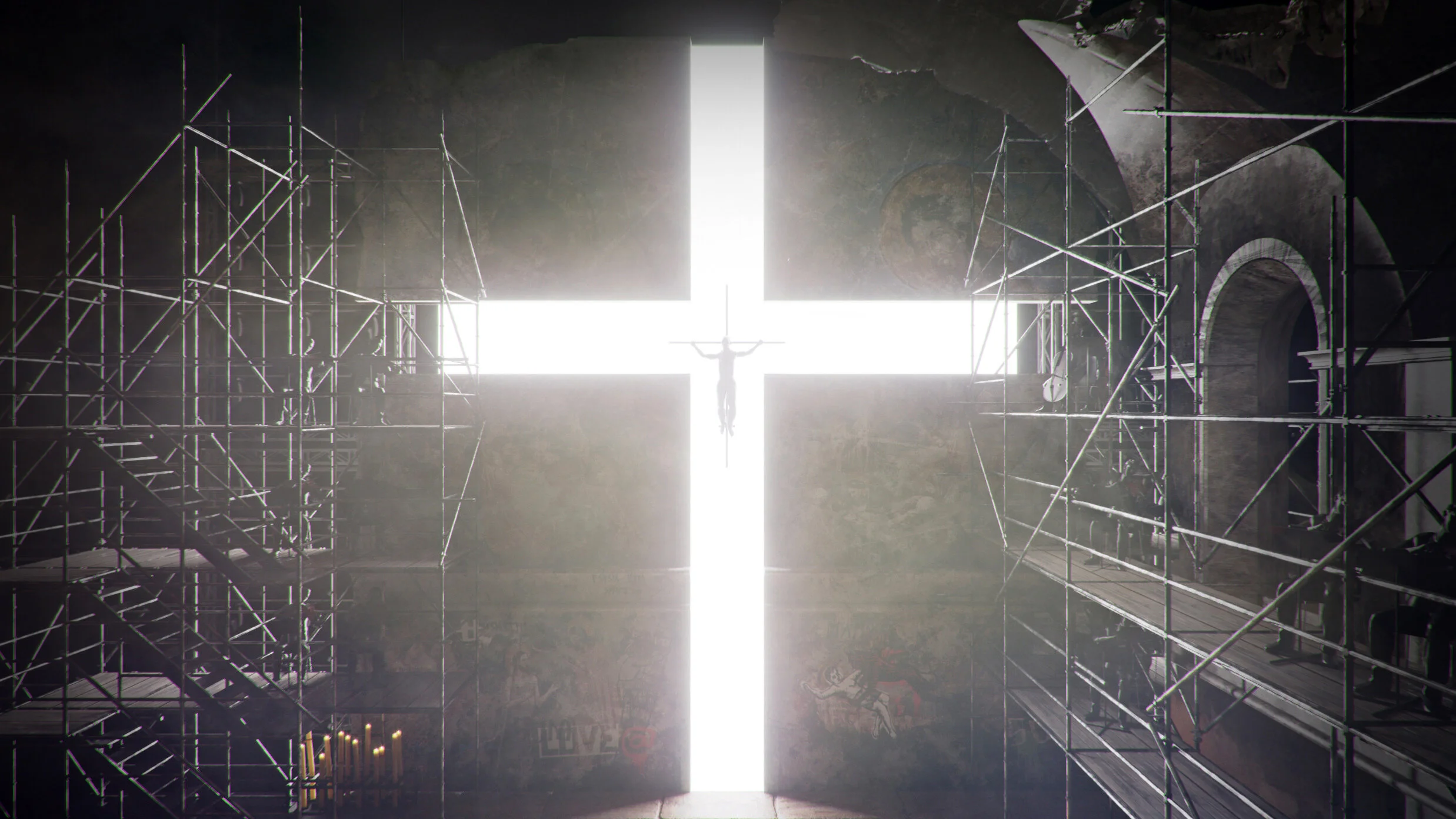
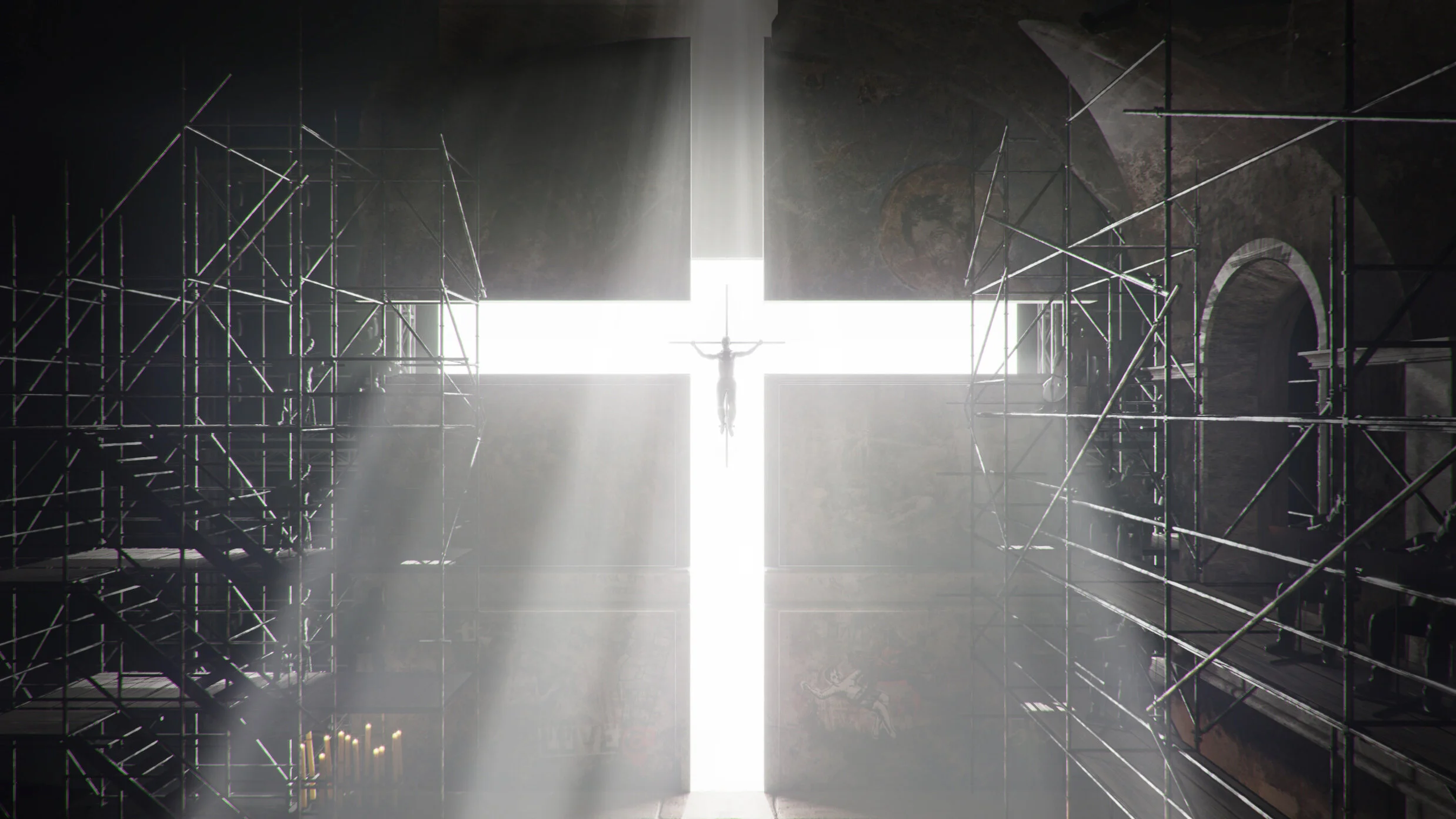
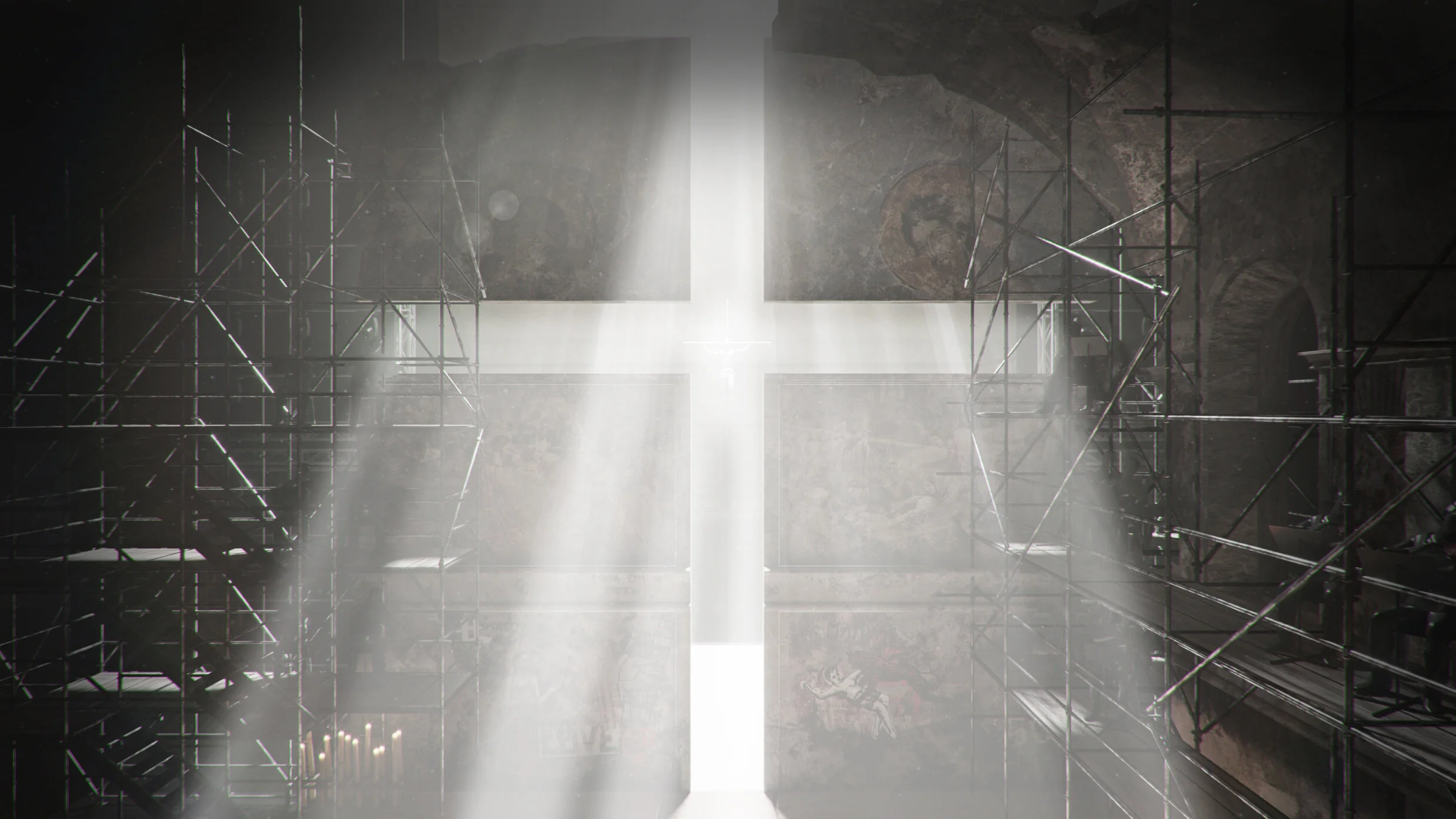
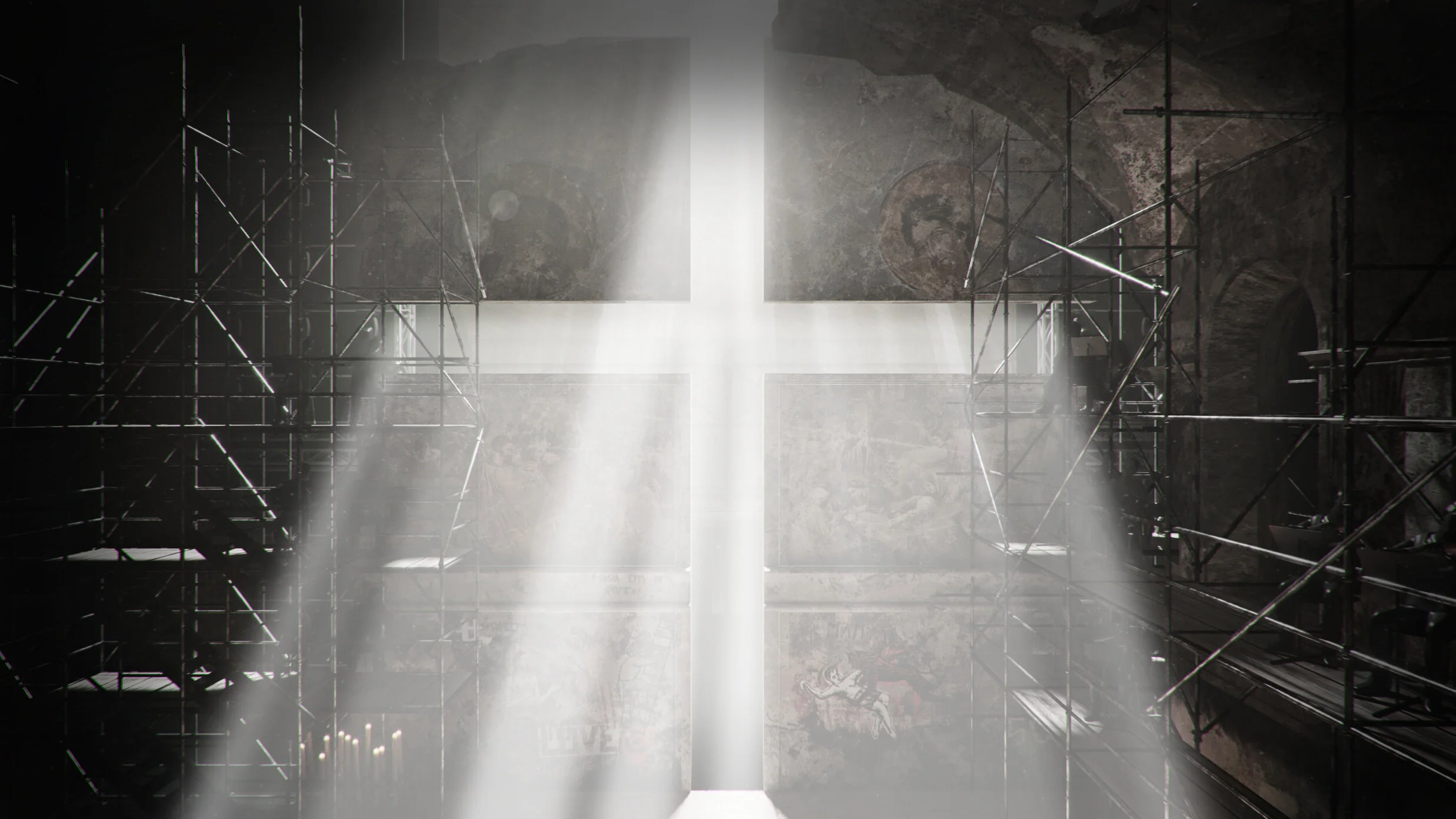
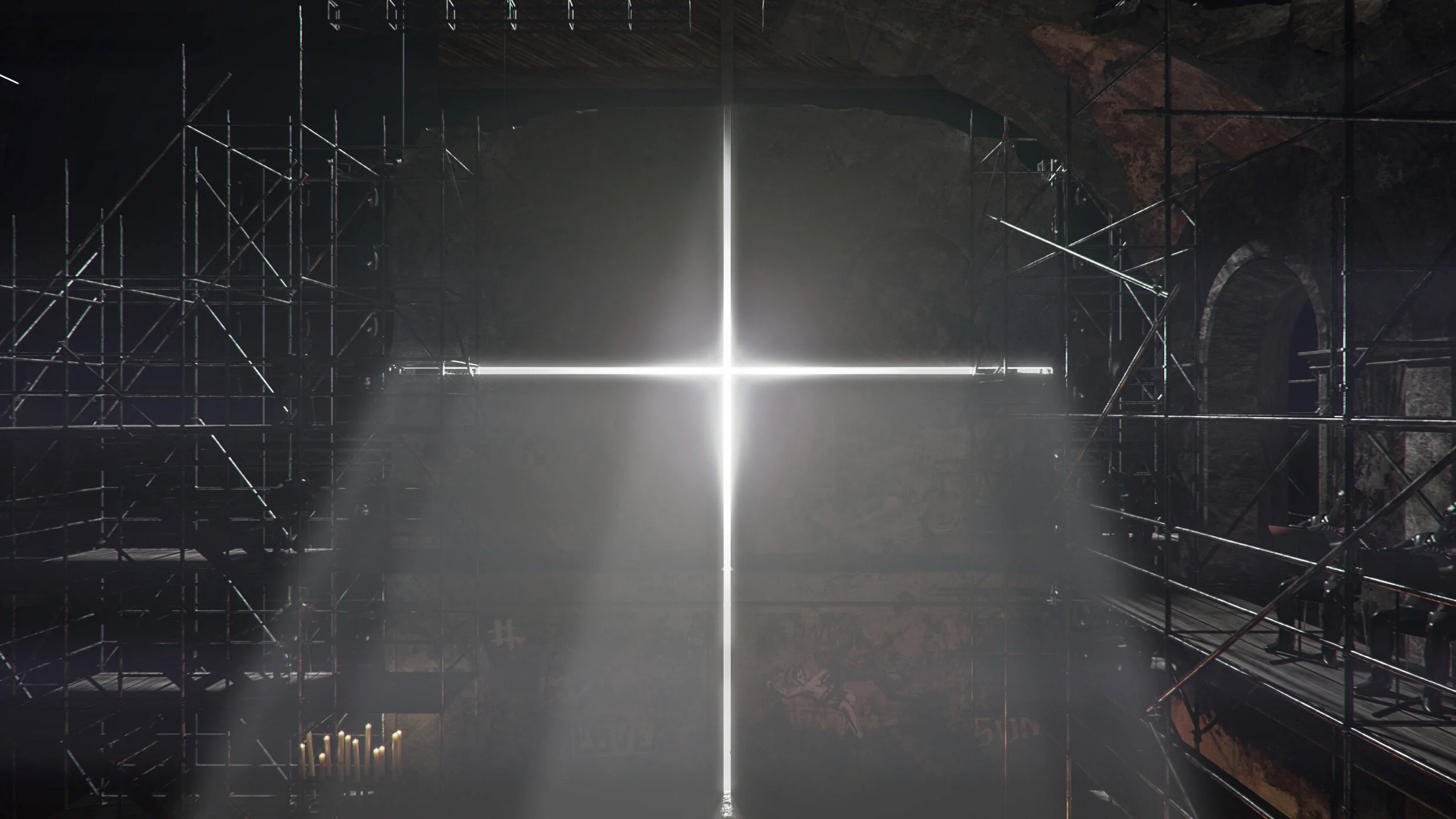
final model
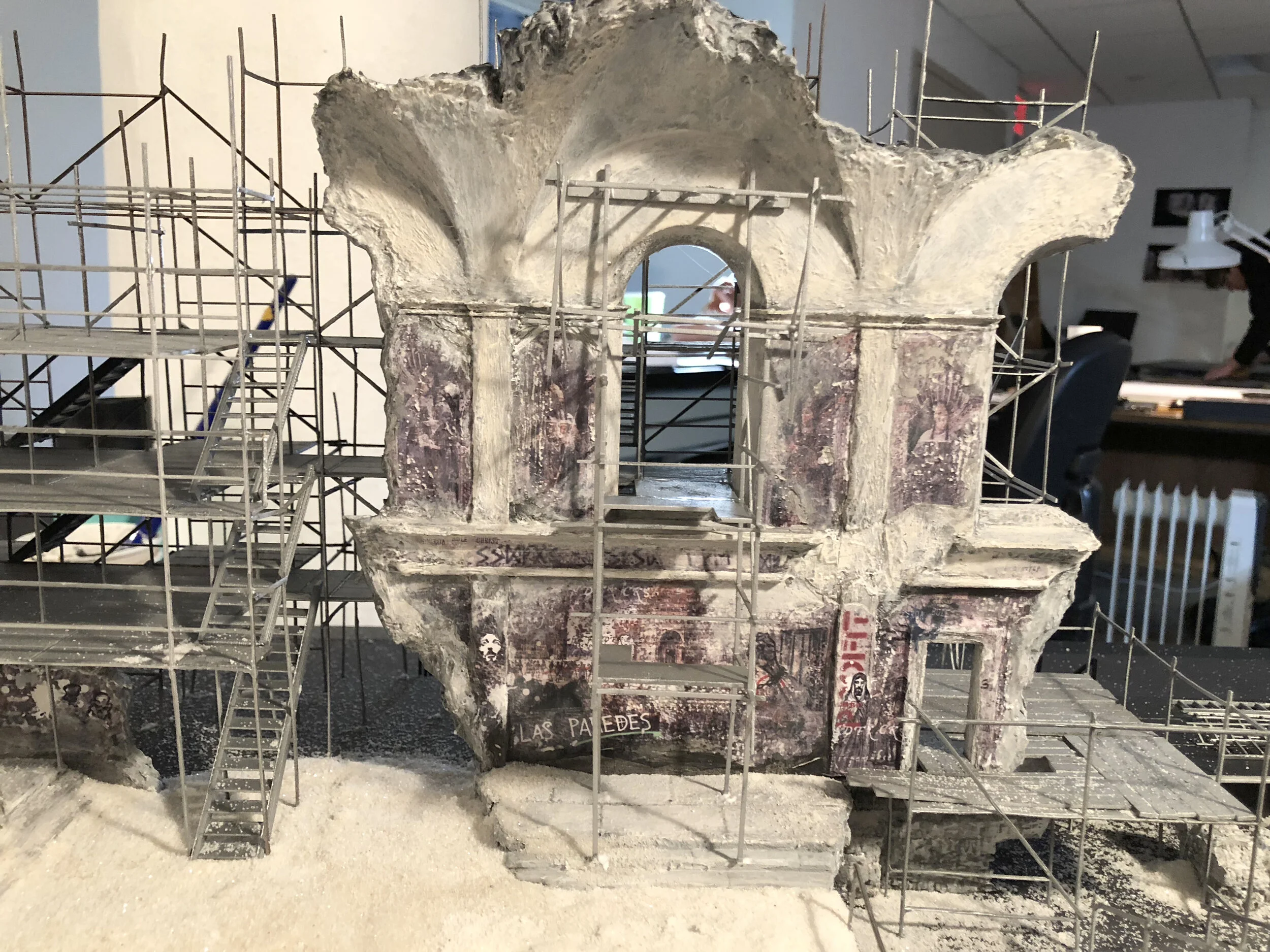
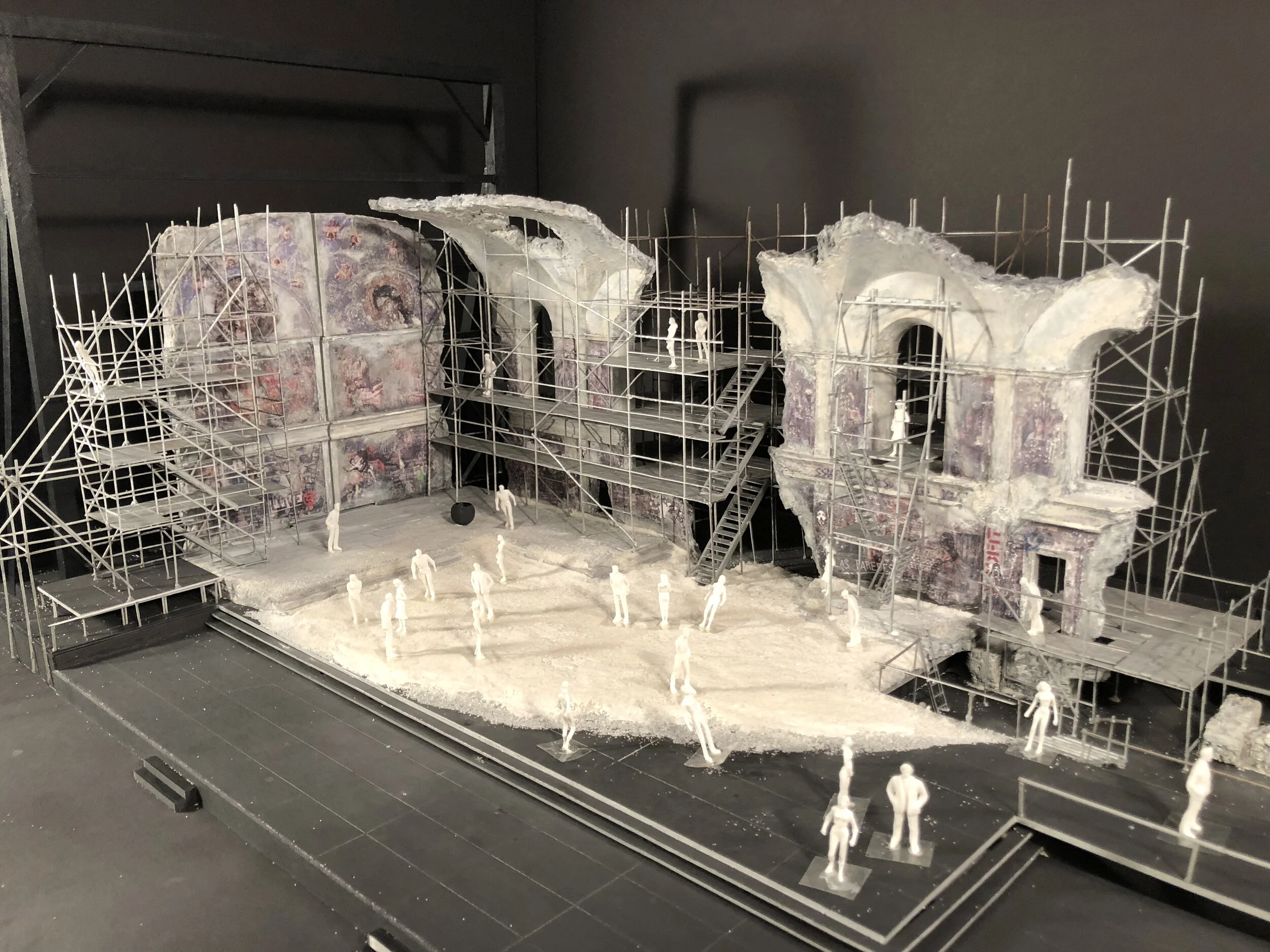
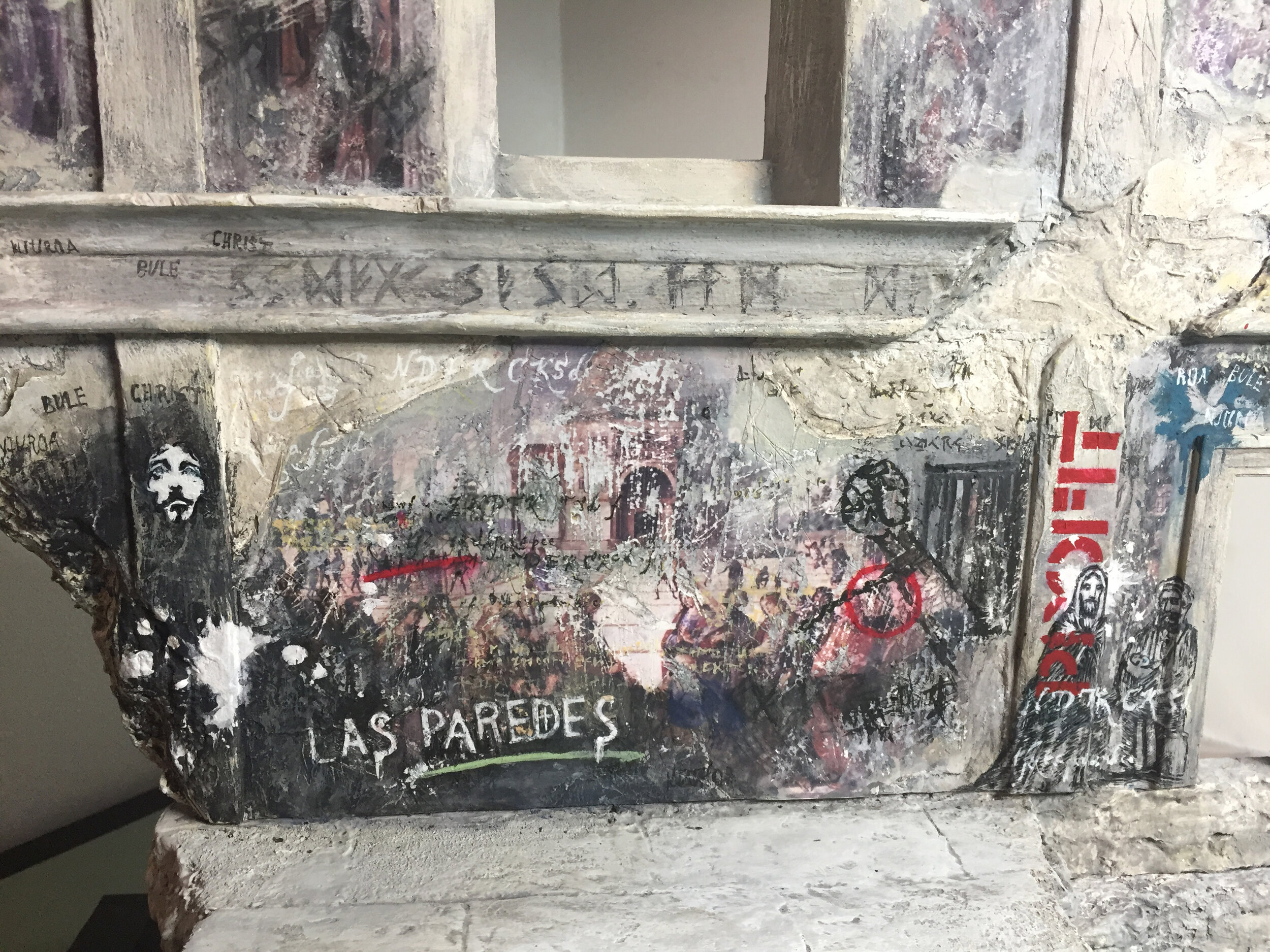
even though the renderings were extremely expressive of the design intent, we realized that we still need to make physical models - one for the rehearsal room so the actors could understand the full geometry of the space they would eventually be inhabiting, and one more detailed model to give the scene shop so they could paint from it. prg scenic technologies built the set and scenic art studios painted it. the model was built by our amazing art department: melissa shakun (ad), dan soule, tijana bjelajac, g warren stiles, emily kollars, jeff hinchee, evan alexander.


fabrication
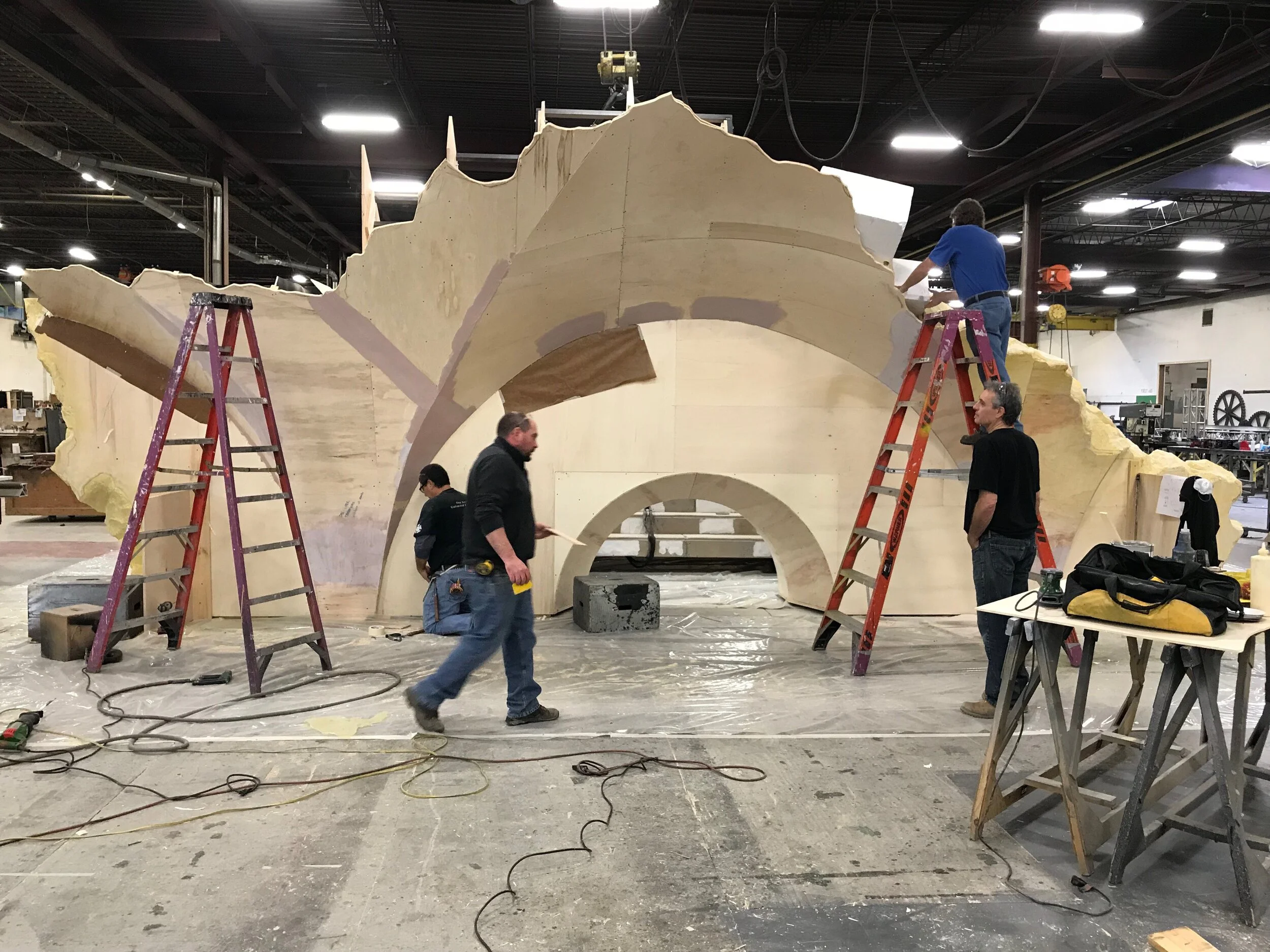
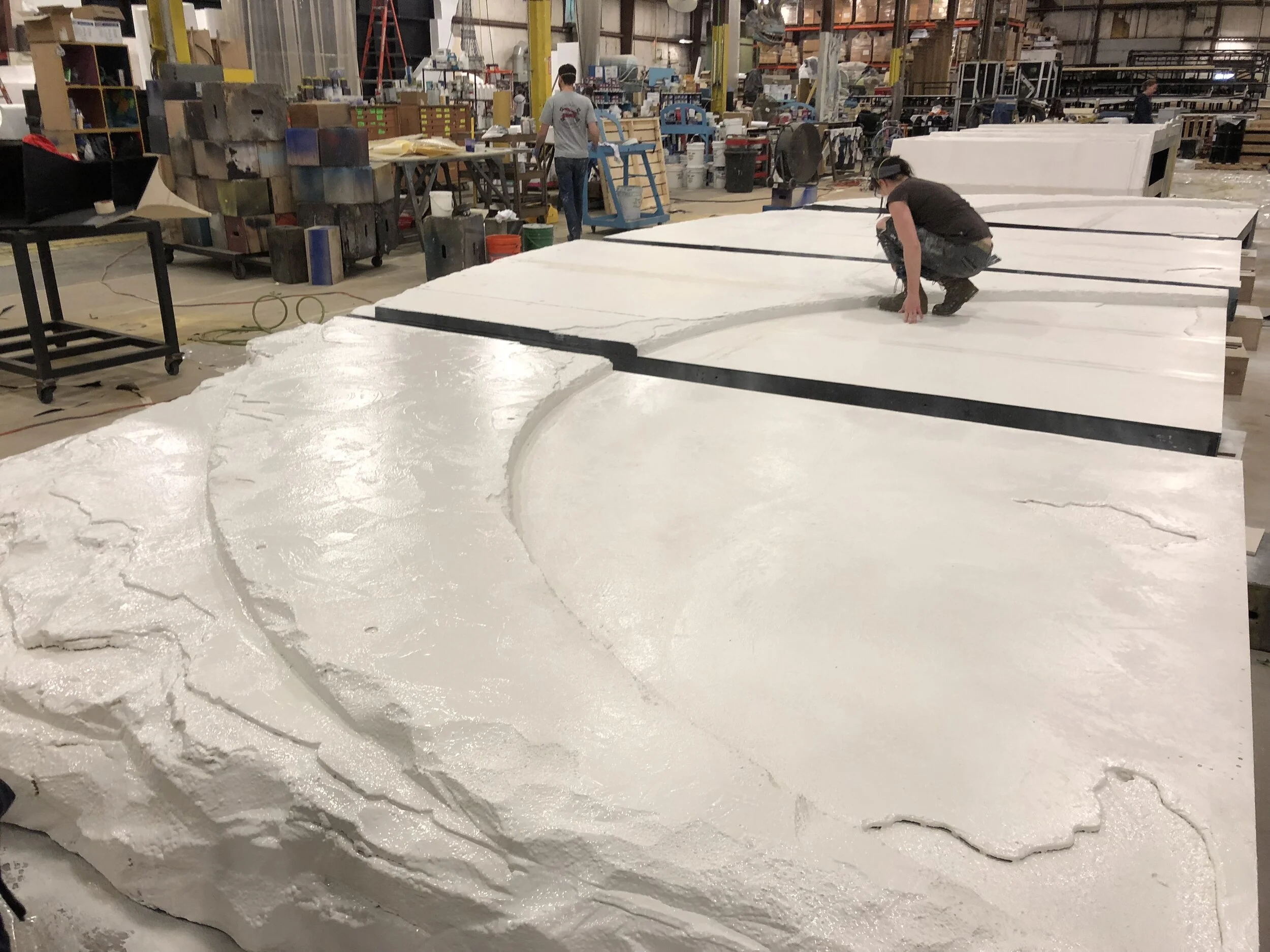
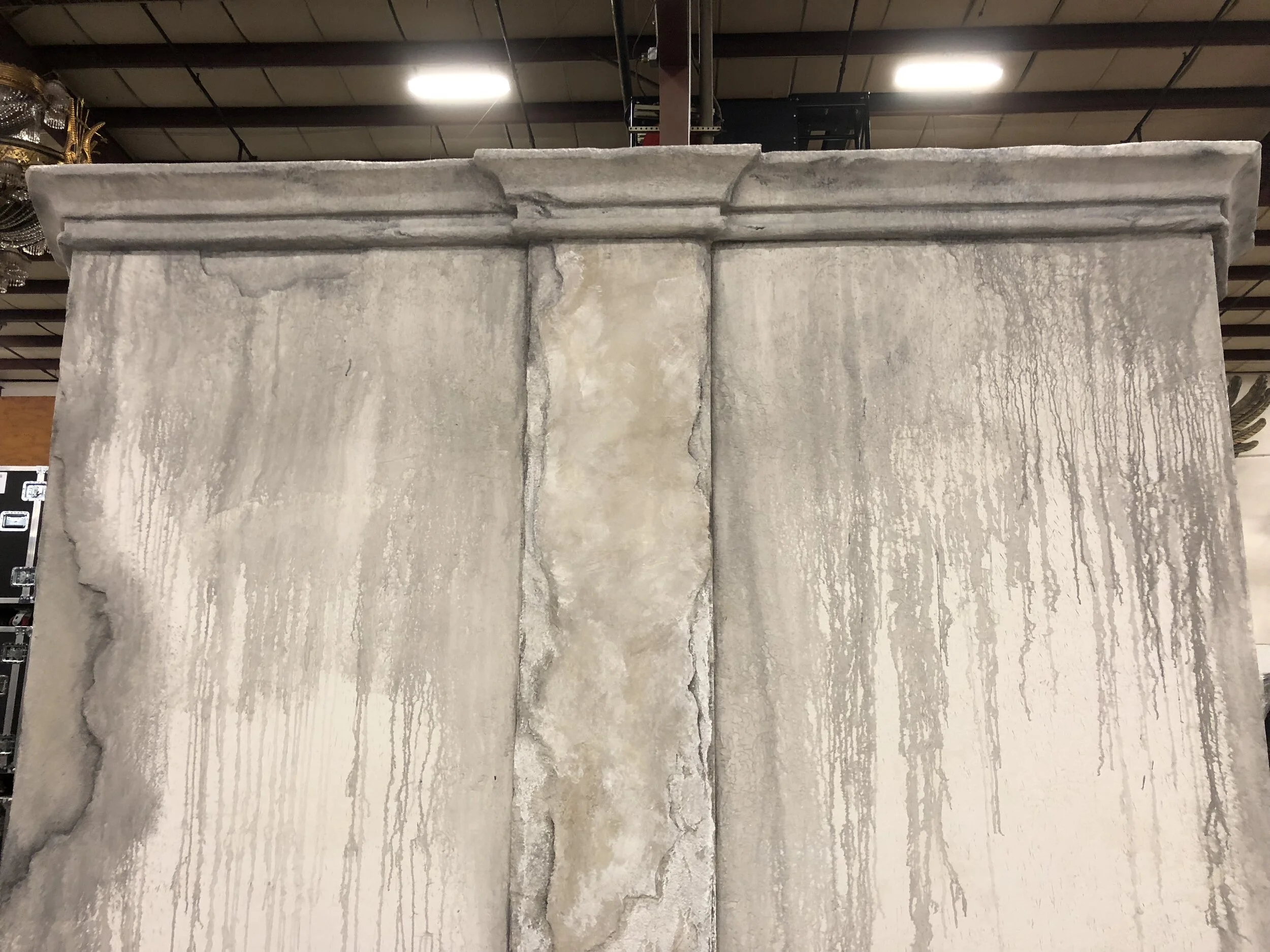
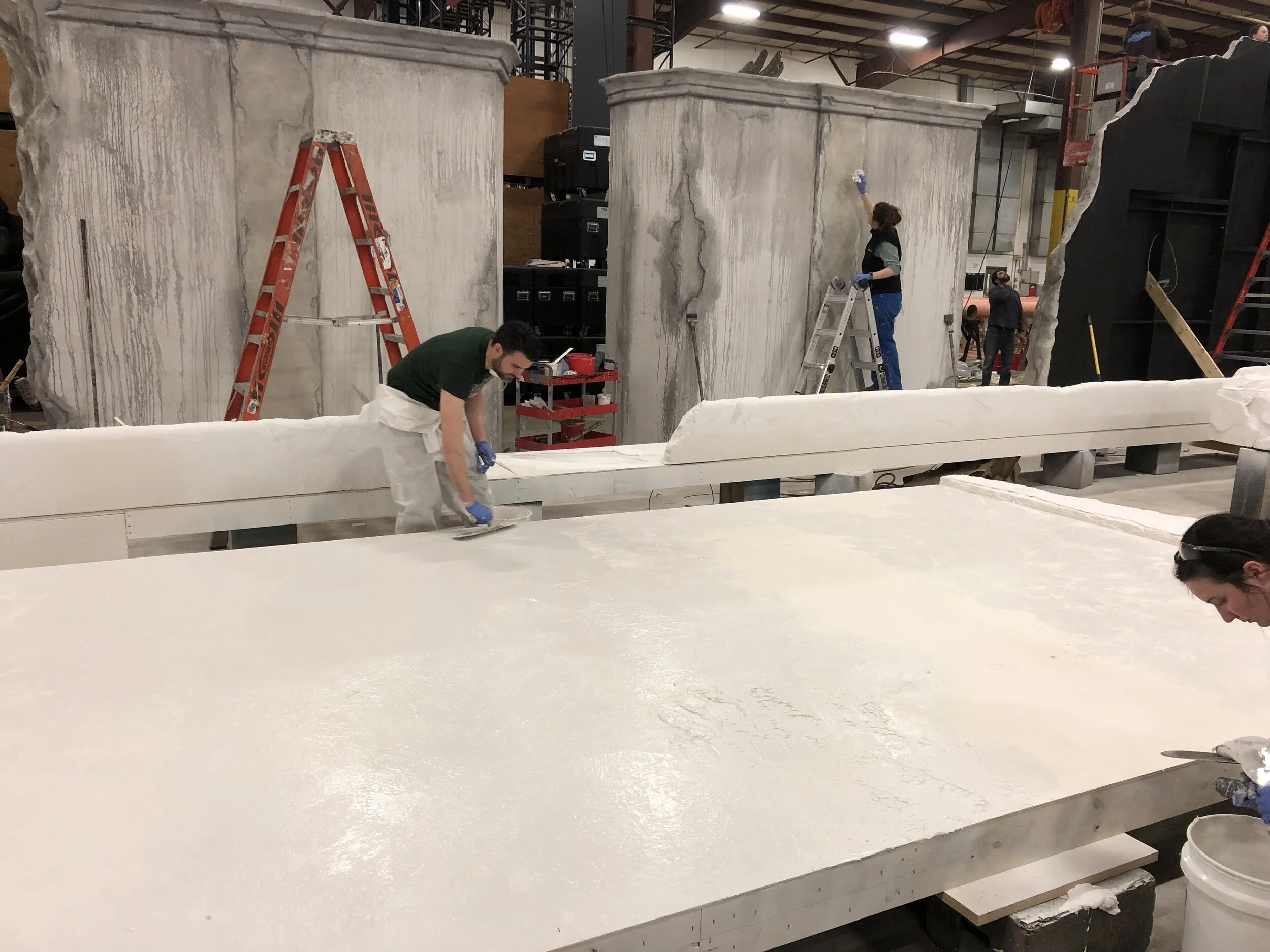
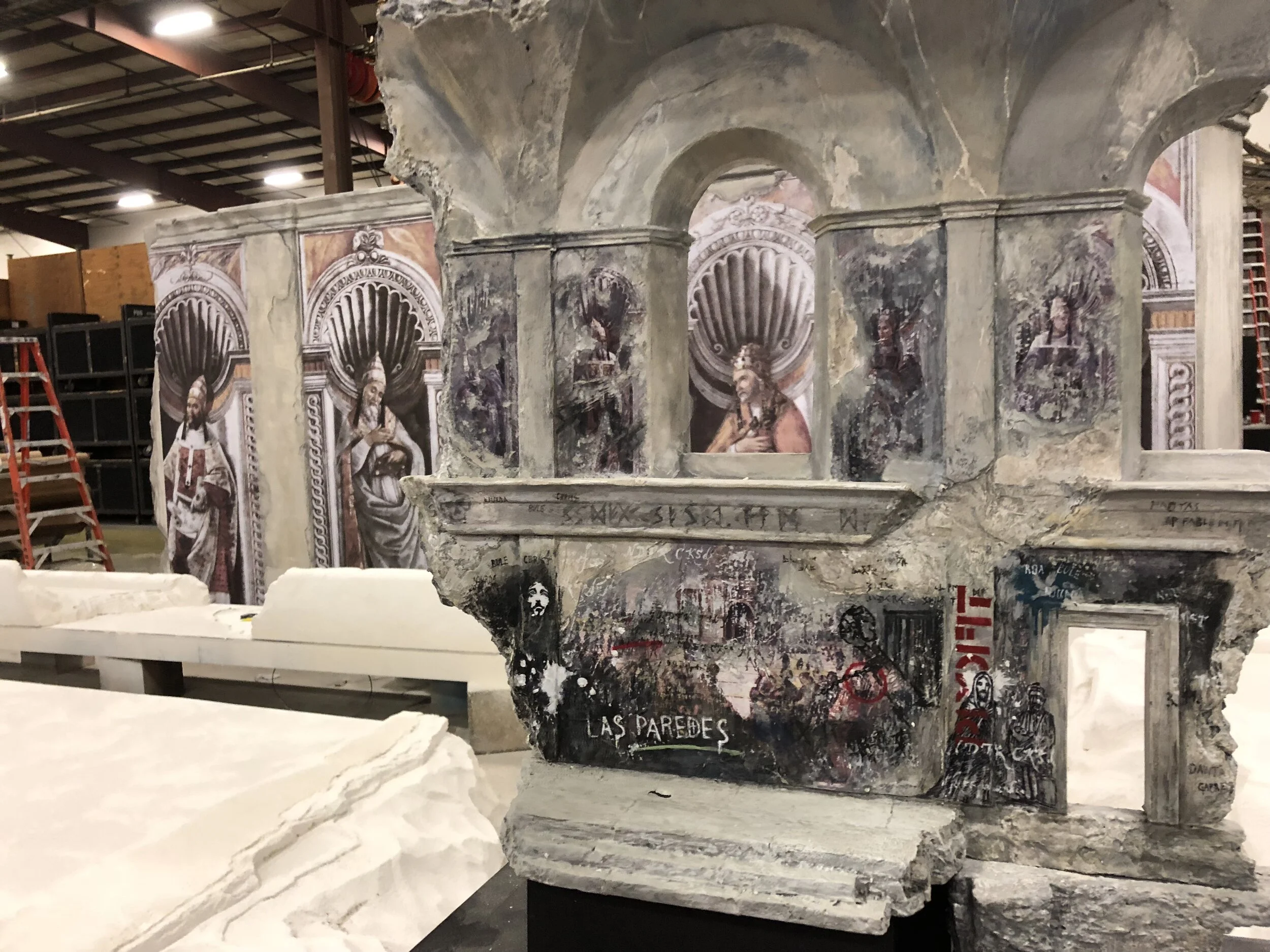
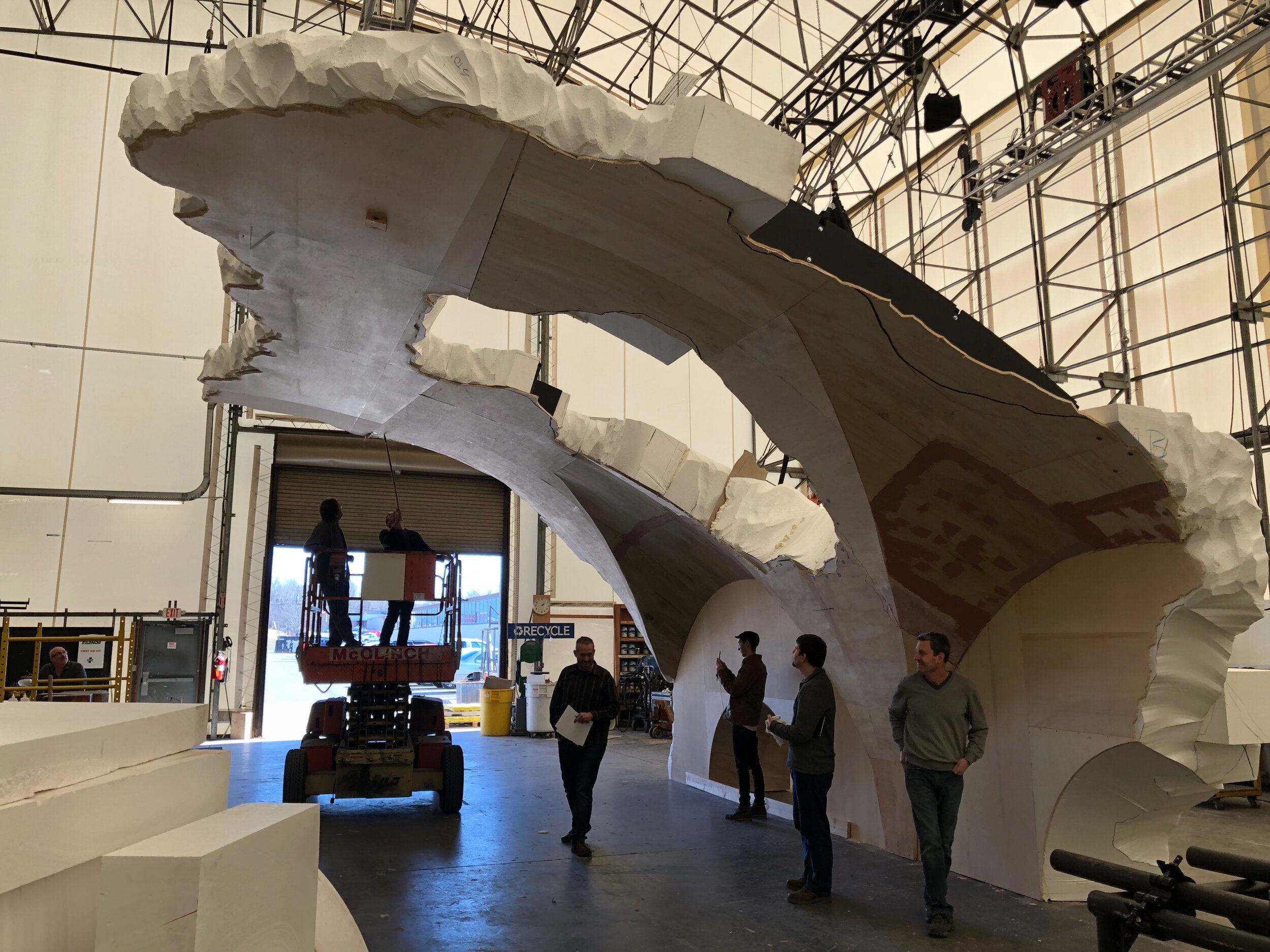
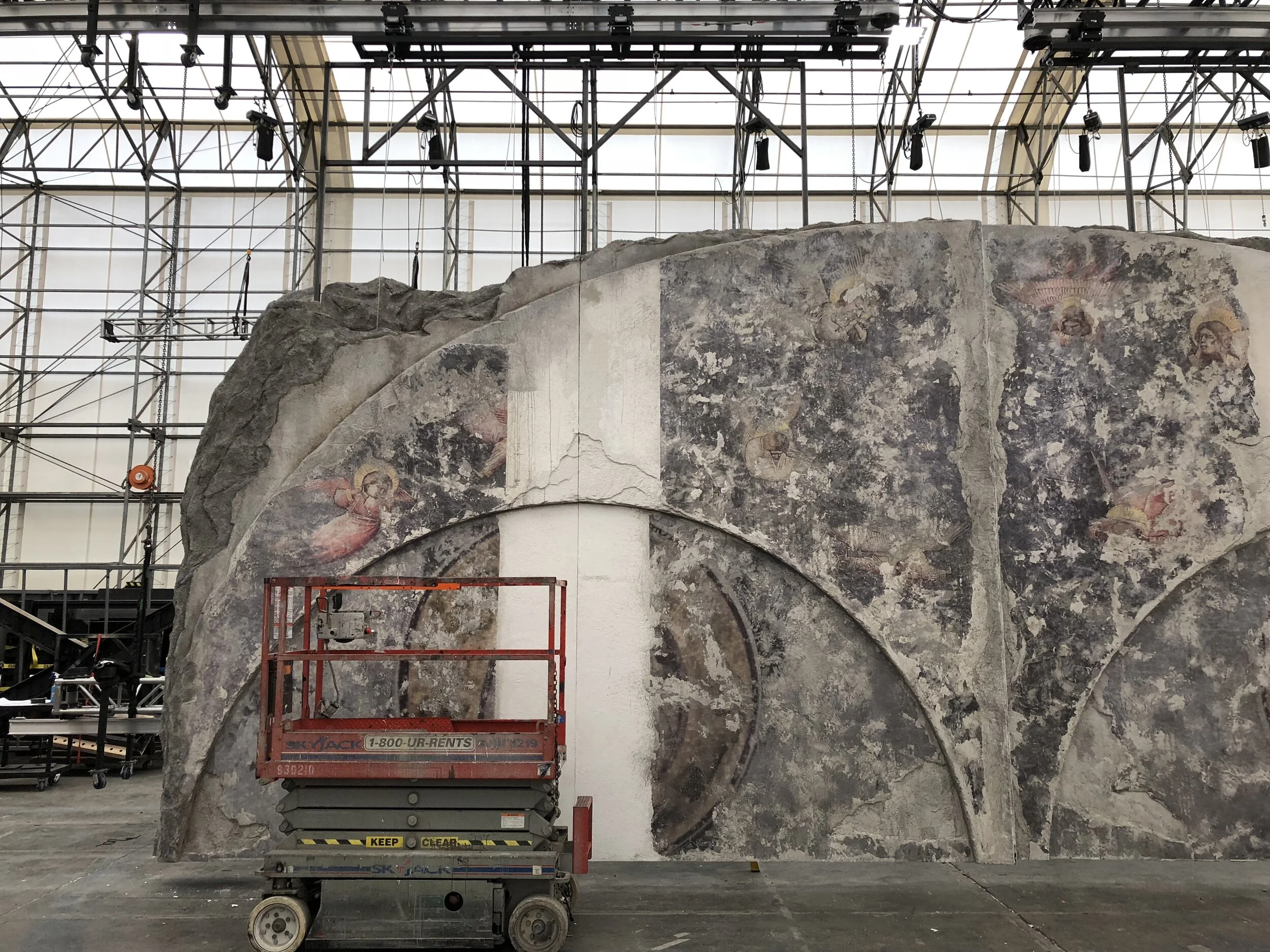
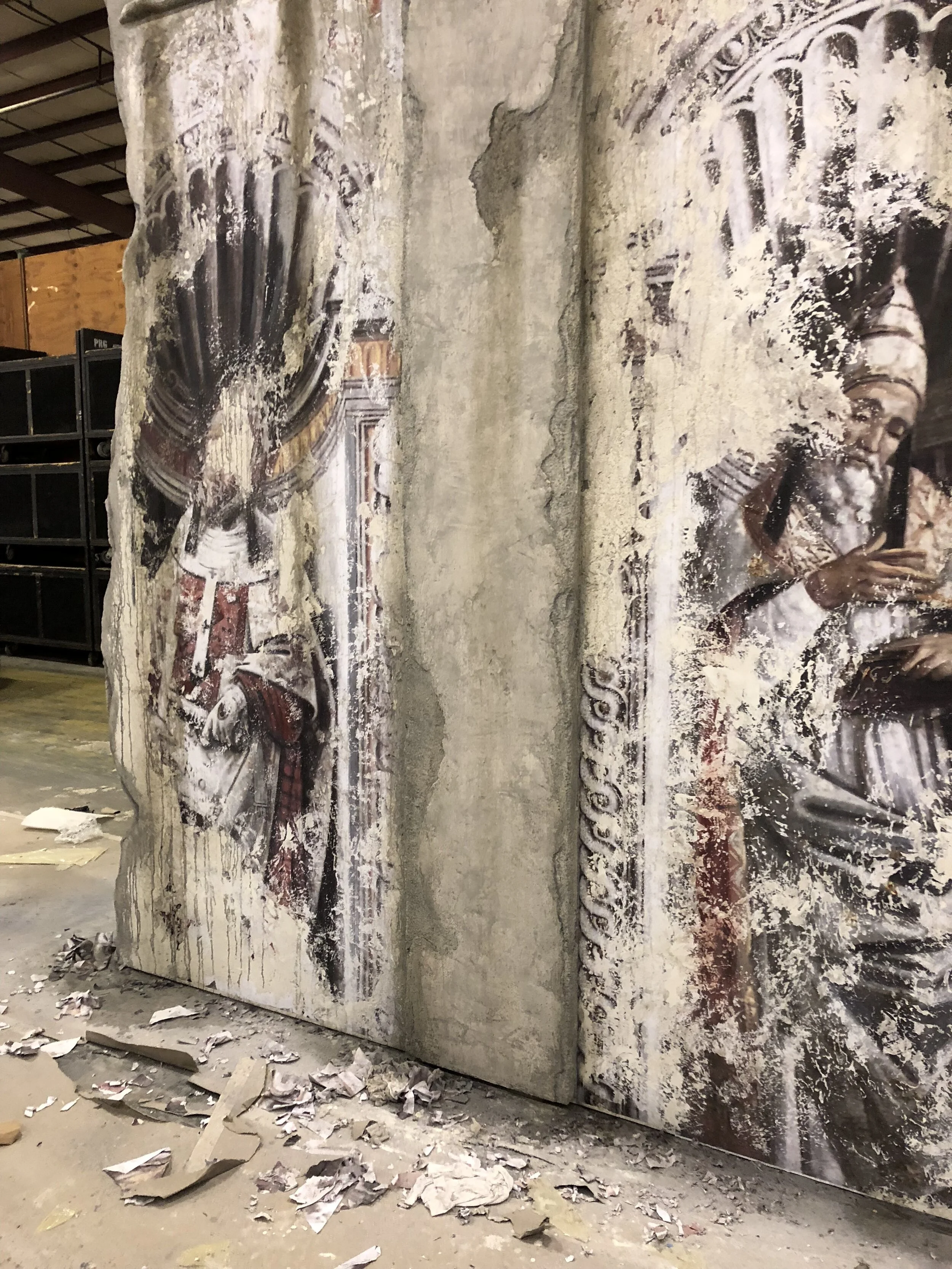
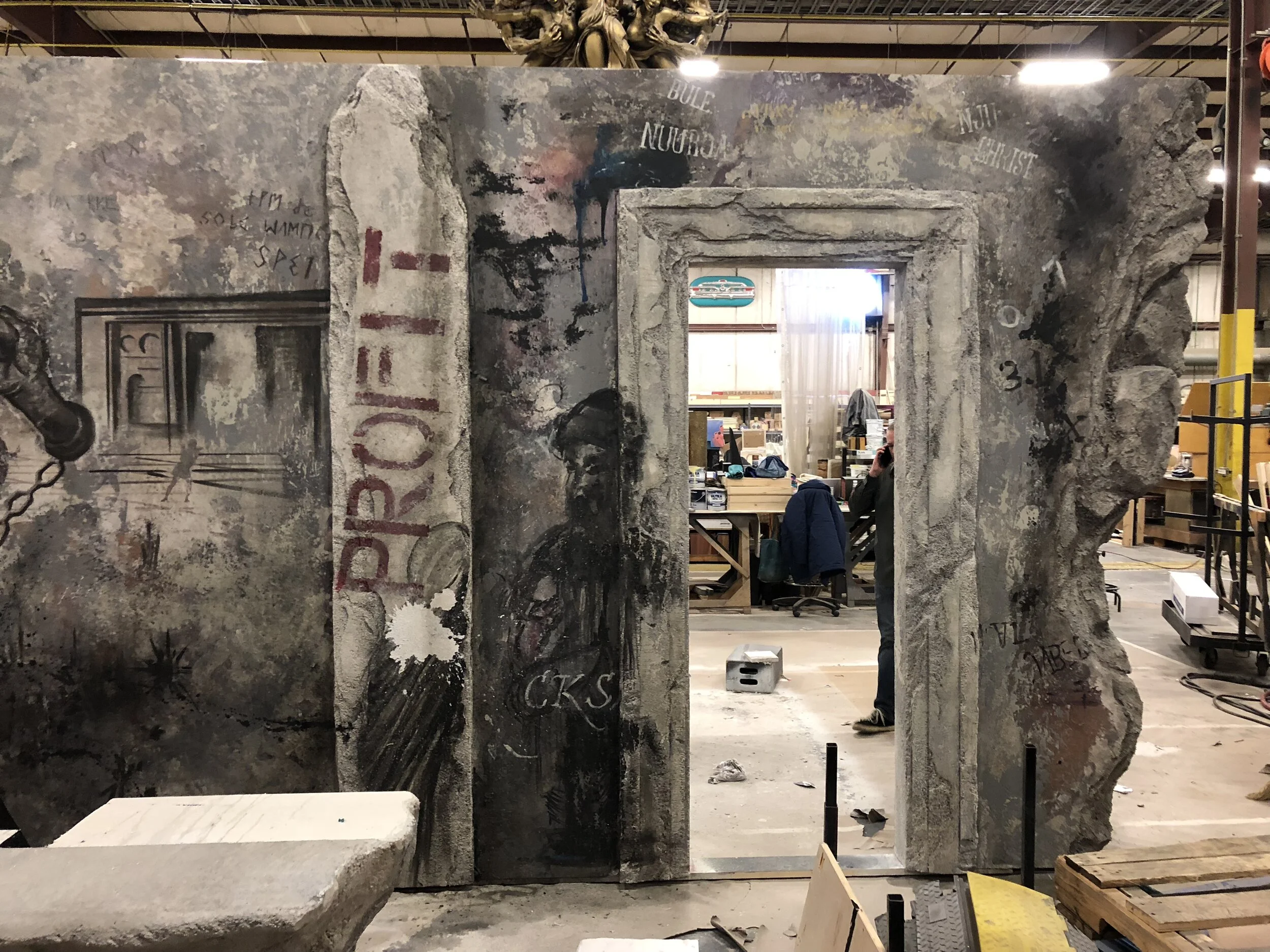
the scenery was constructed by prg scenic technologies in windsor ny (mark peterson, director of projects; benjamin lampman, senior project manager; john van arsdale, project manager; harmony water, art department team leader), and painted by scenic arts studios (joe forbes, president; debra forbes, v.p. / scenic charge). the props were fabricated by bb props (emiliano pares, outside props; will sweeney, local one prop head).



load-in / rehearsals
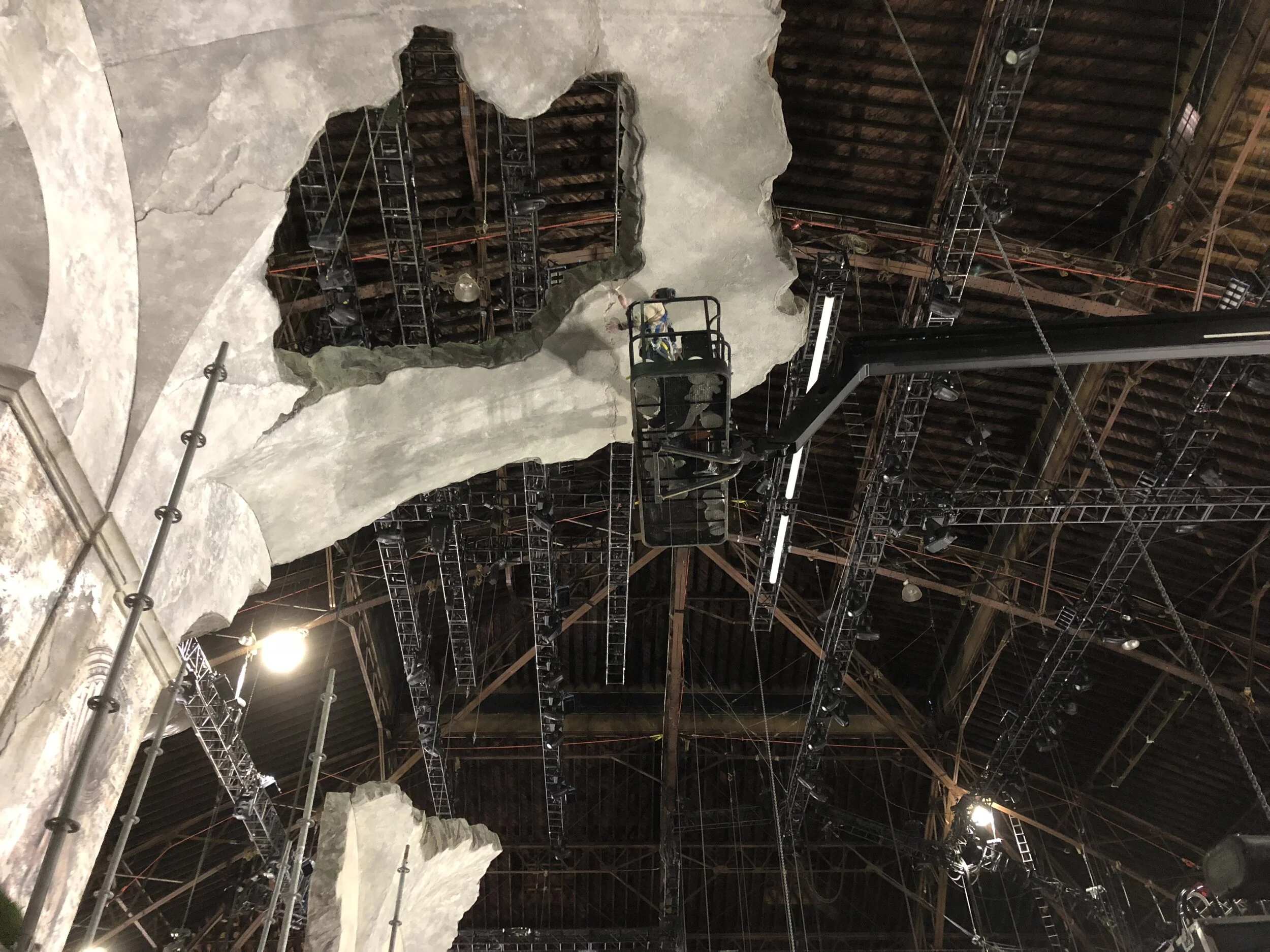
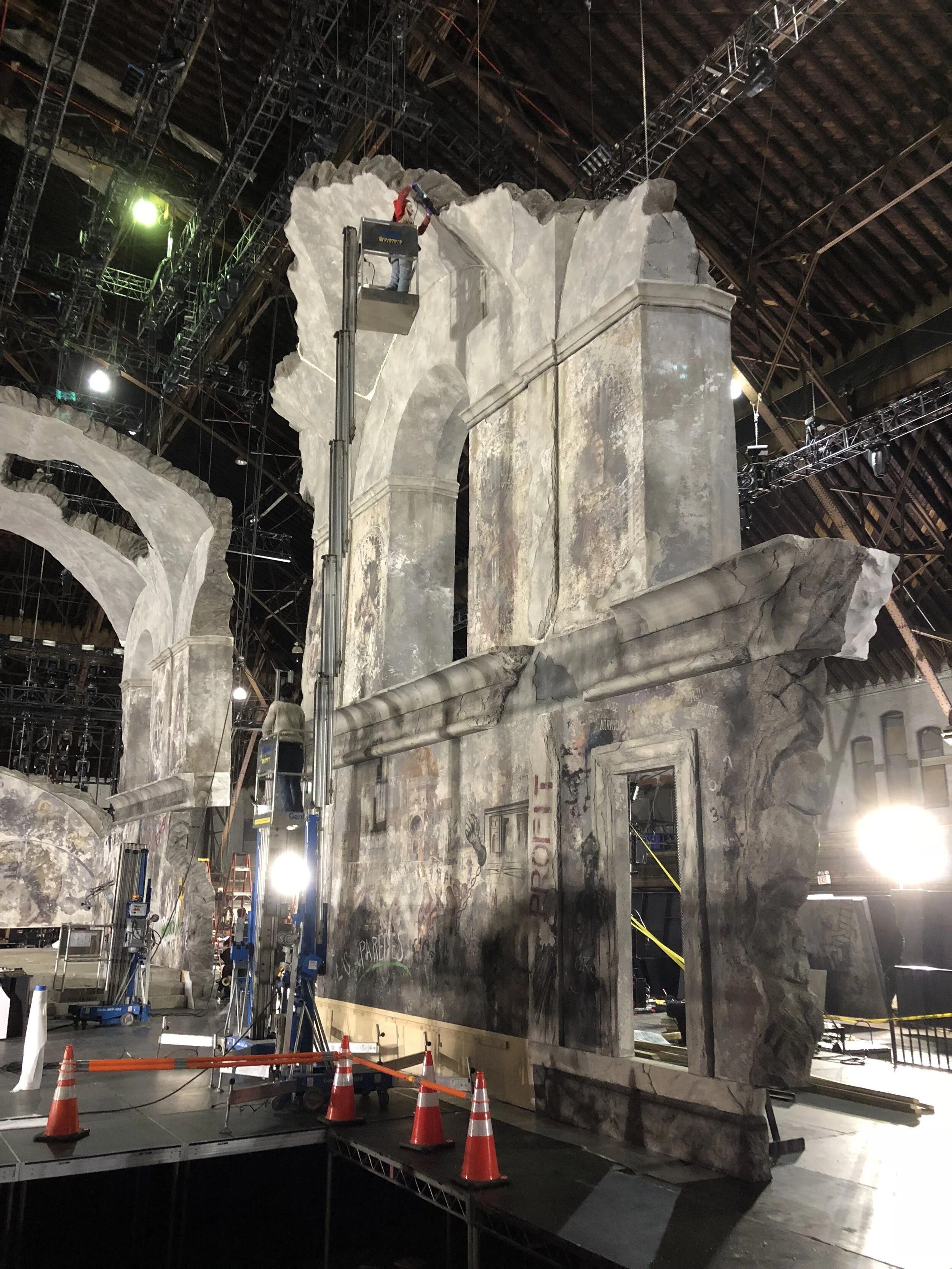
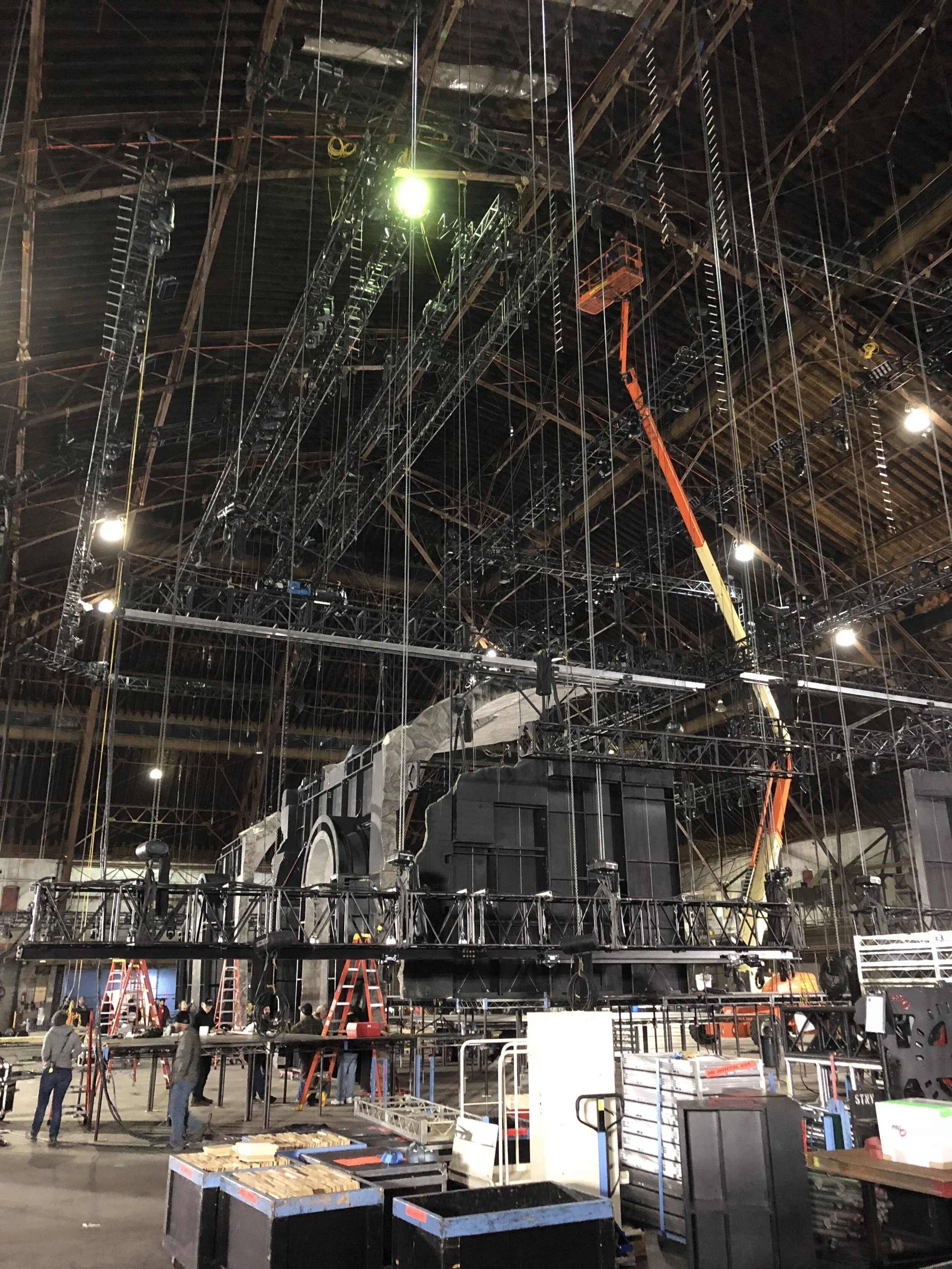
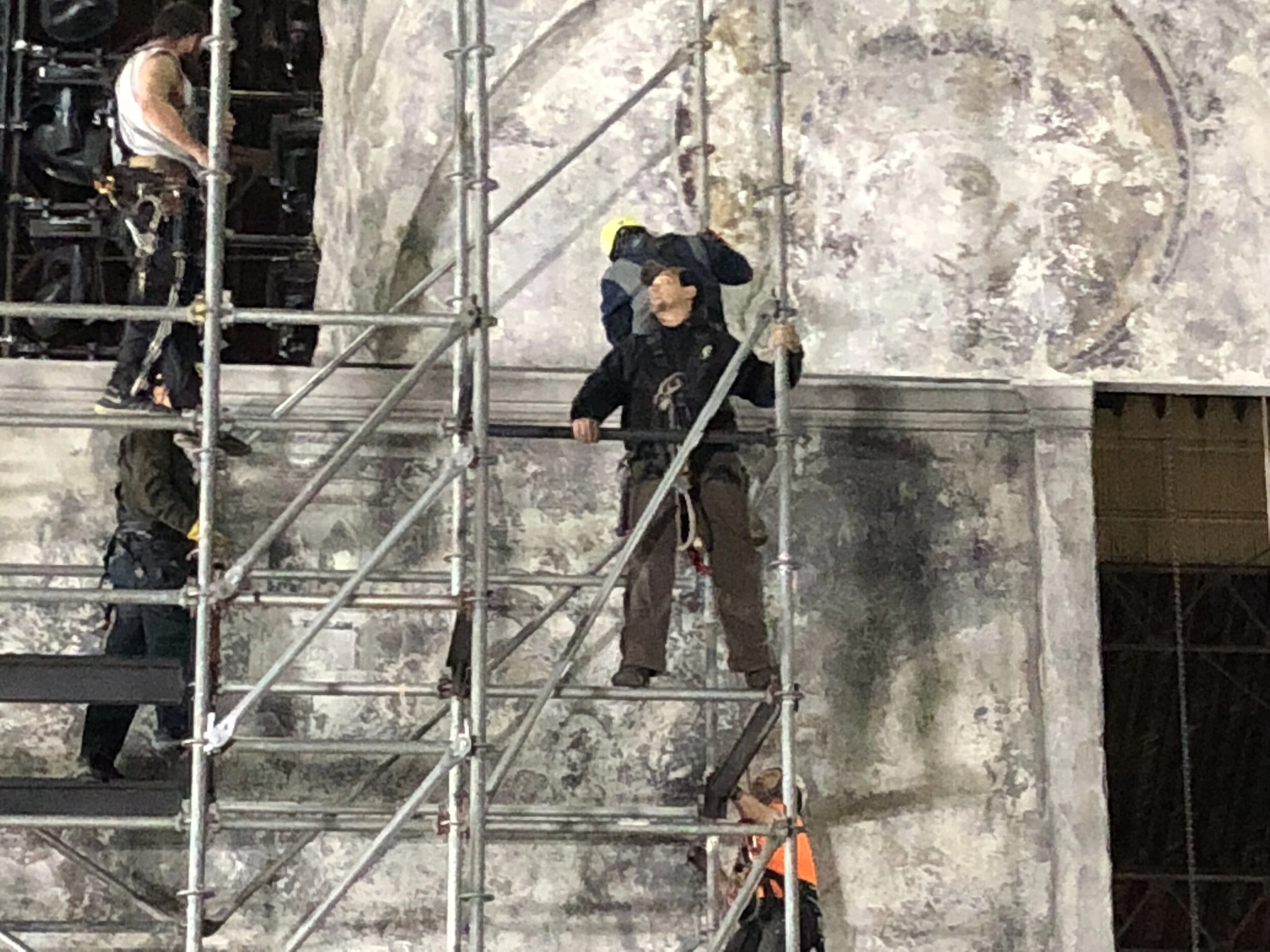
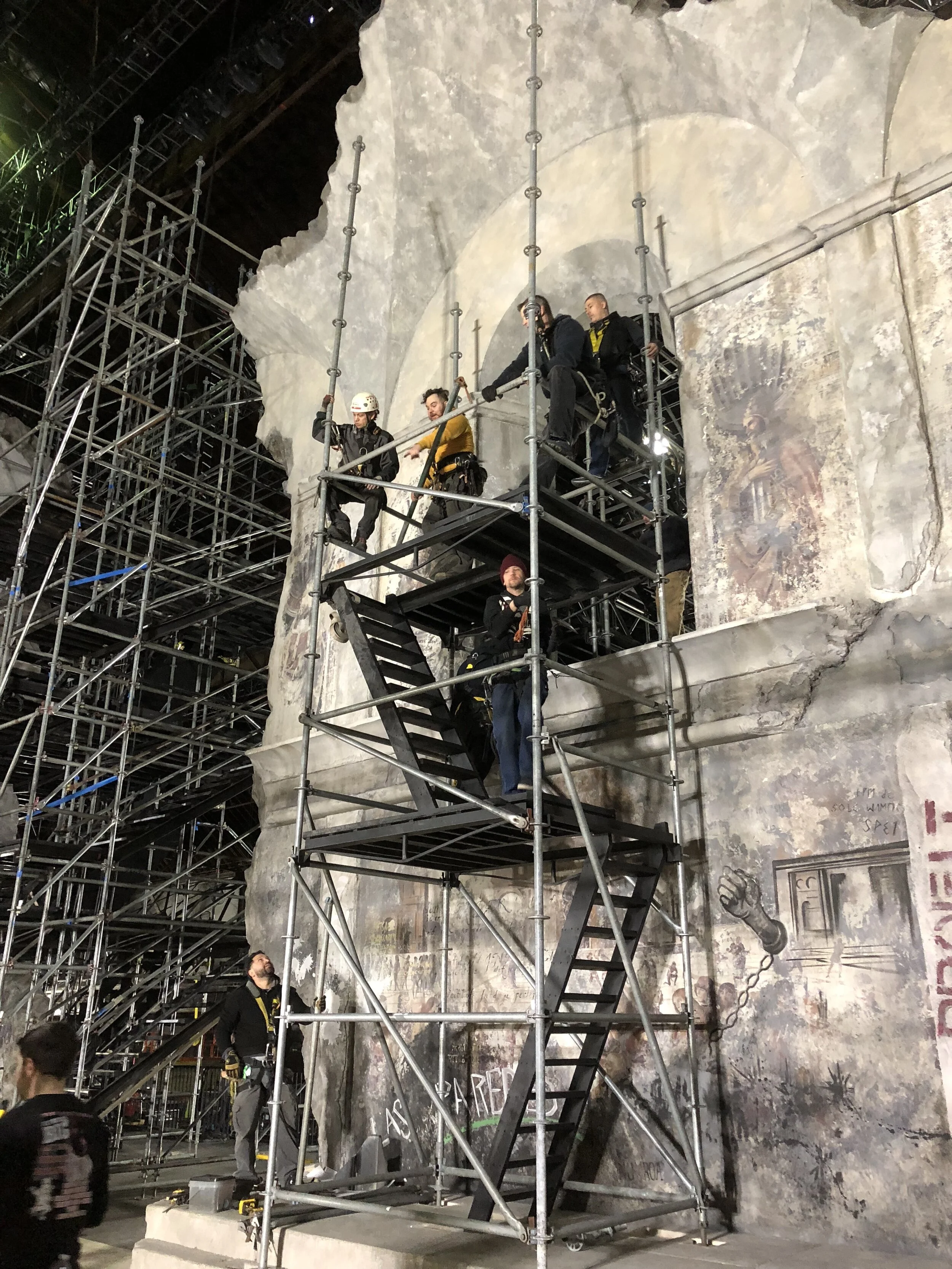
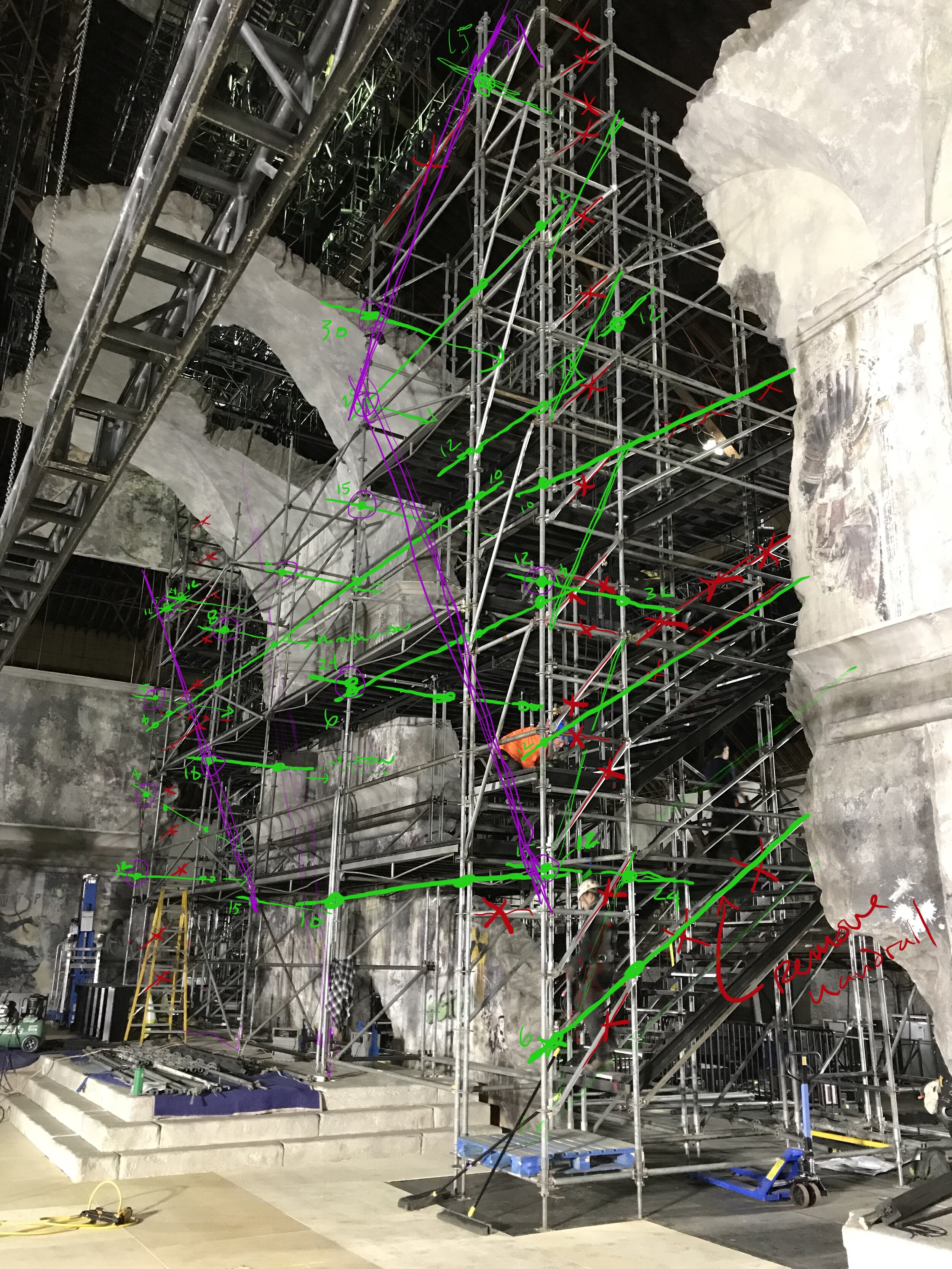
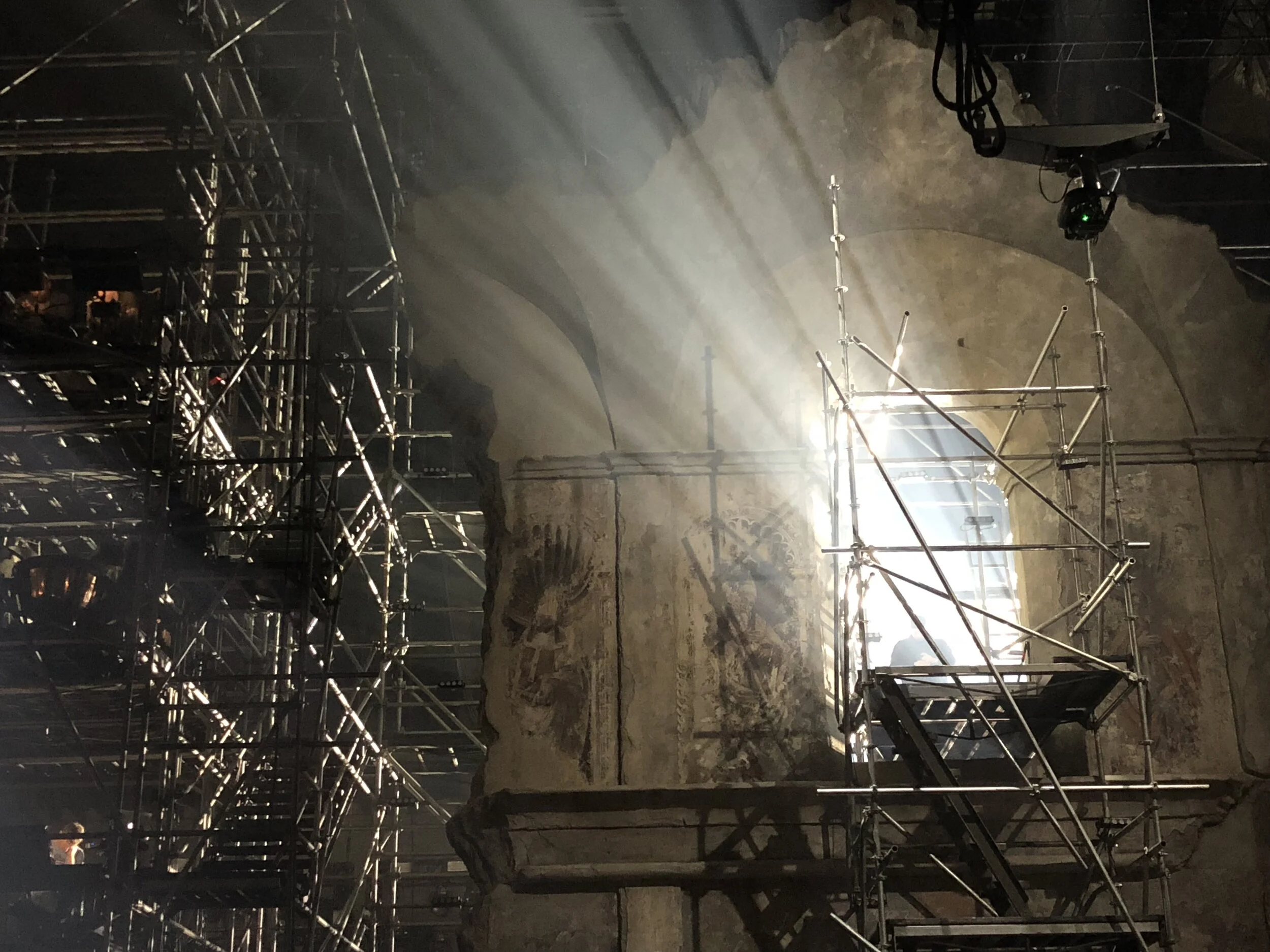
in addition to the incredibly talented shops that built and painted the scenery and props, we had a fantastic scenic department in the armory (led by julia torrant) to continue the work, erase transportation seems, tweak colors & details for camera, and generally pull everything together.




broadcast
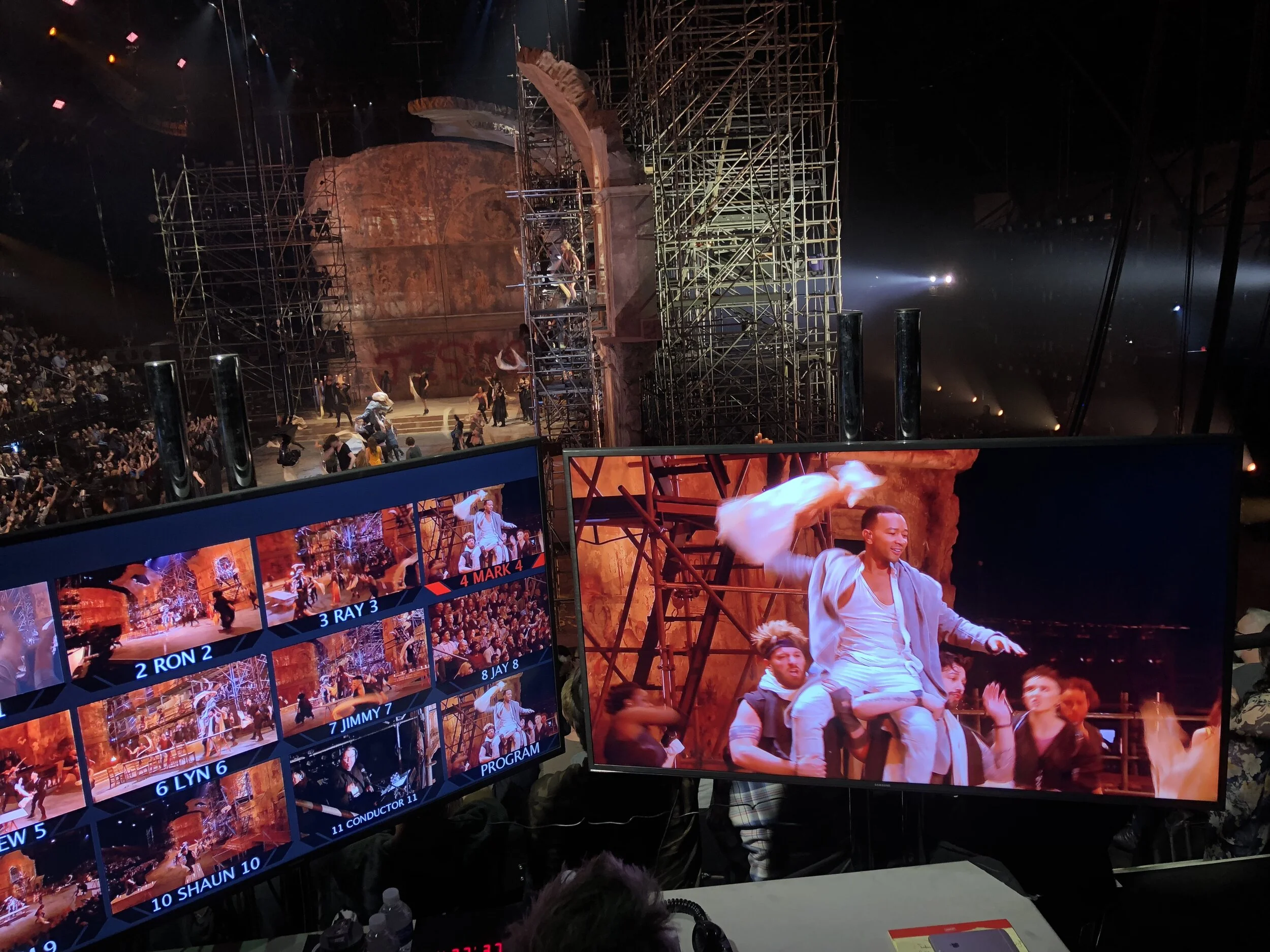
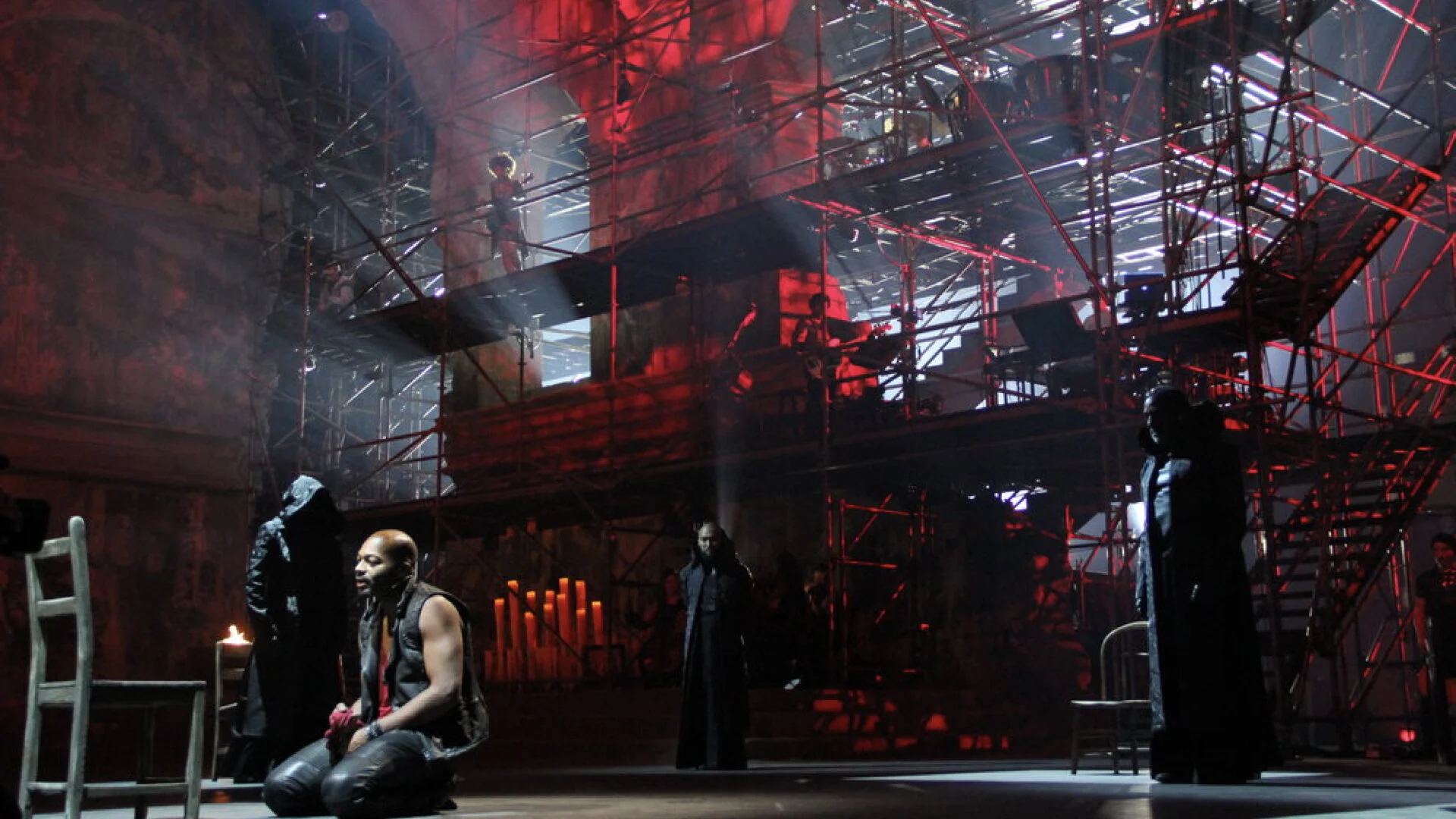
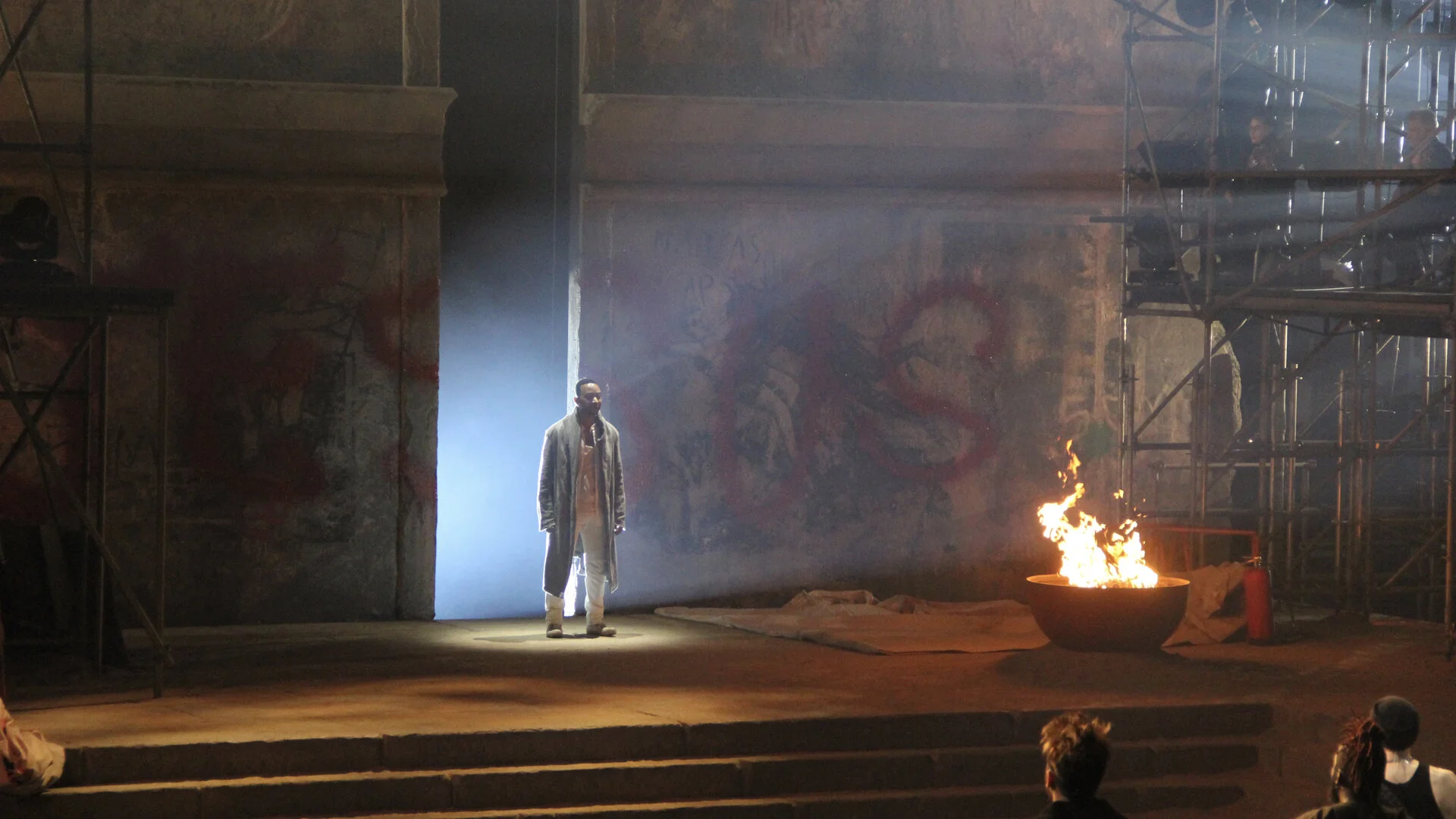
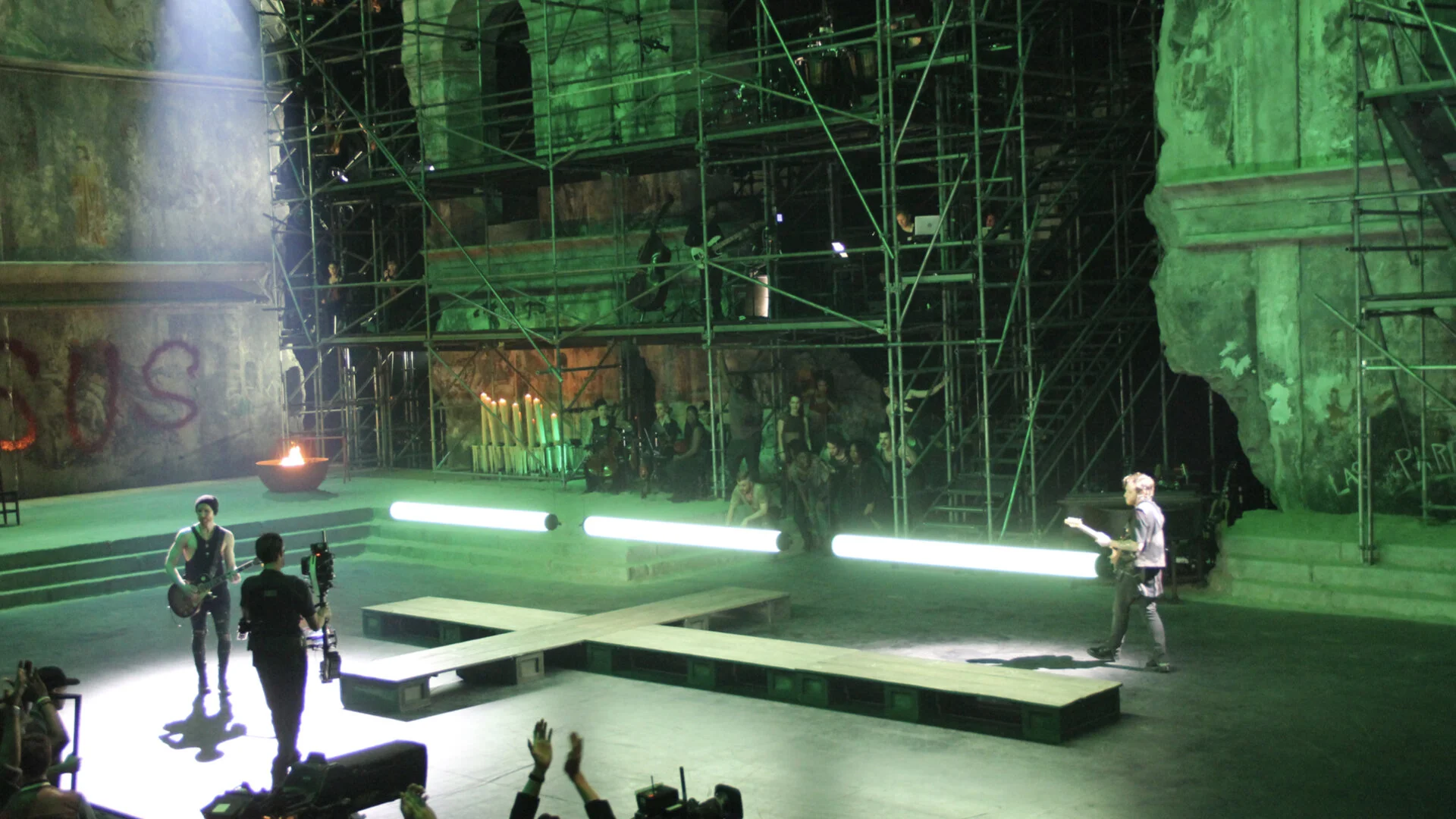
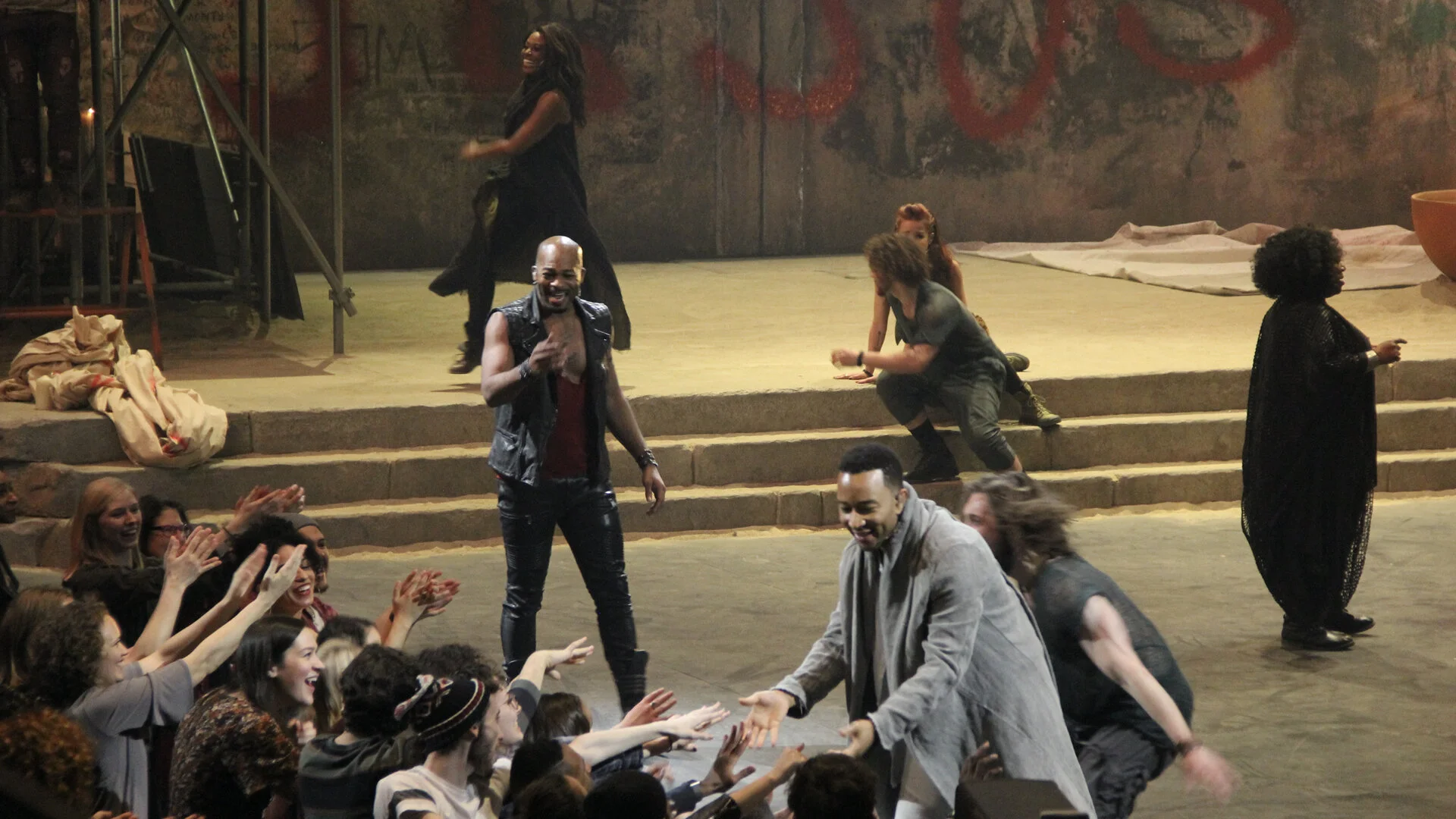
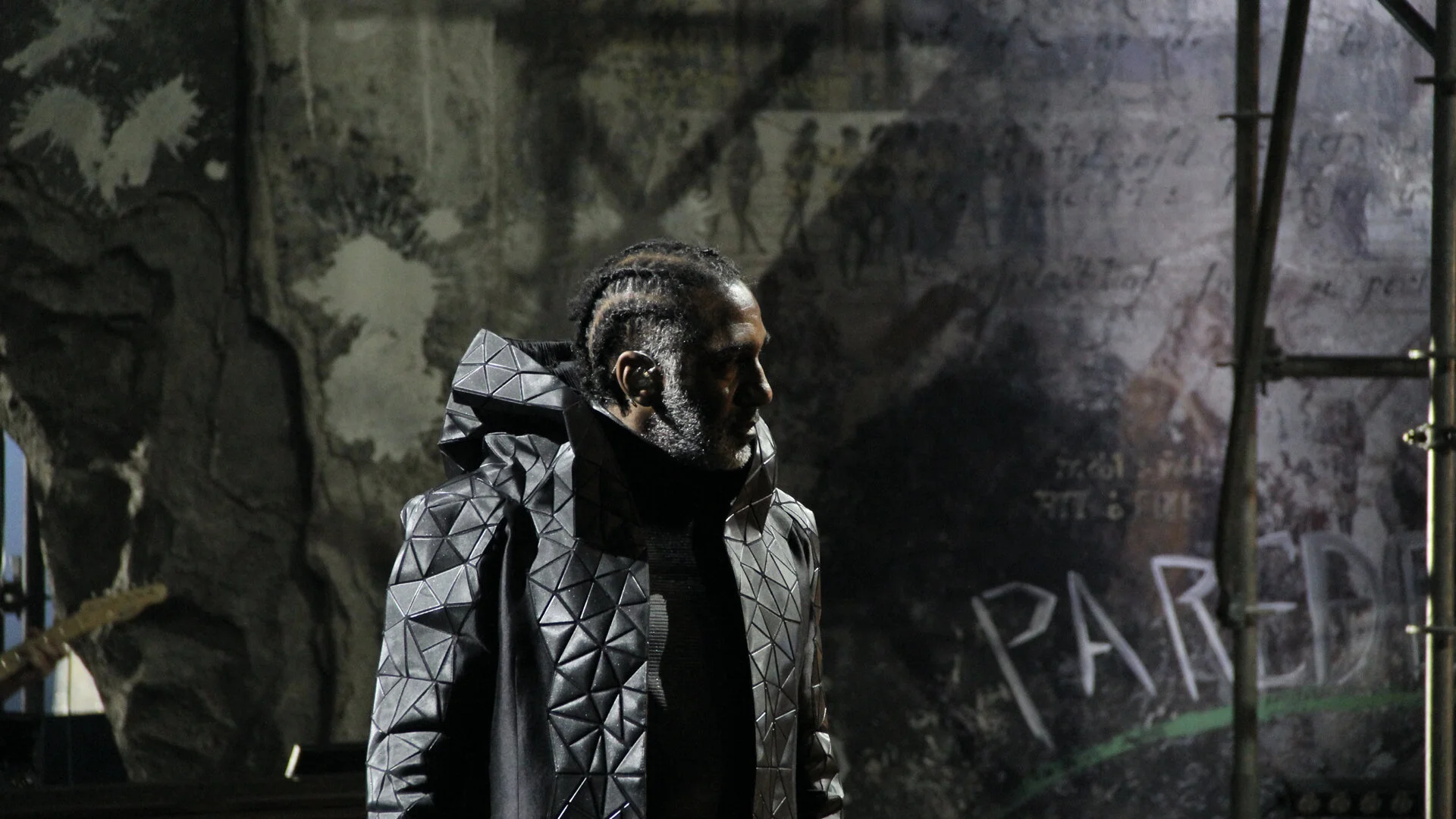
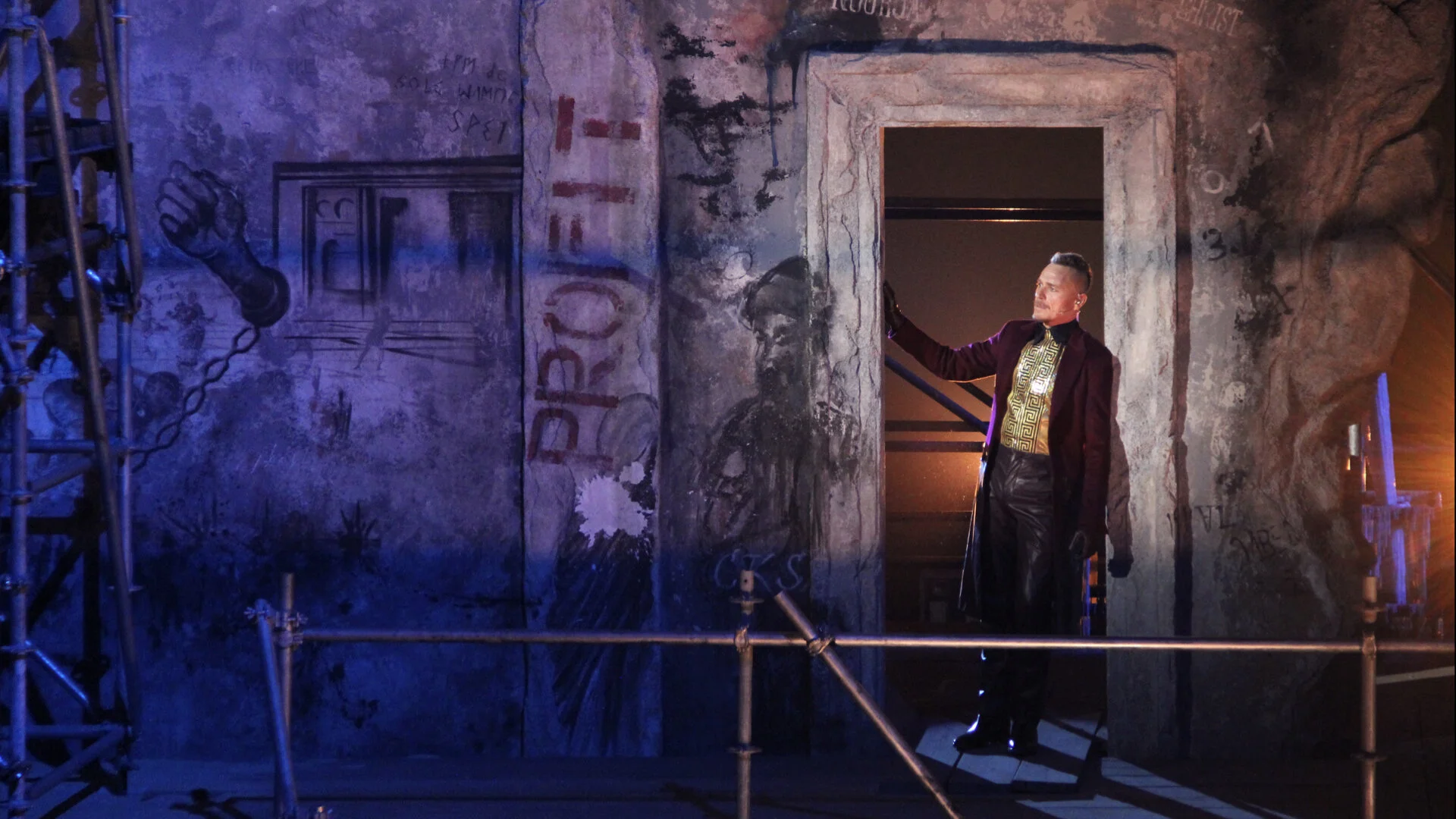
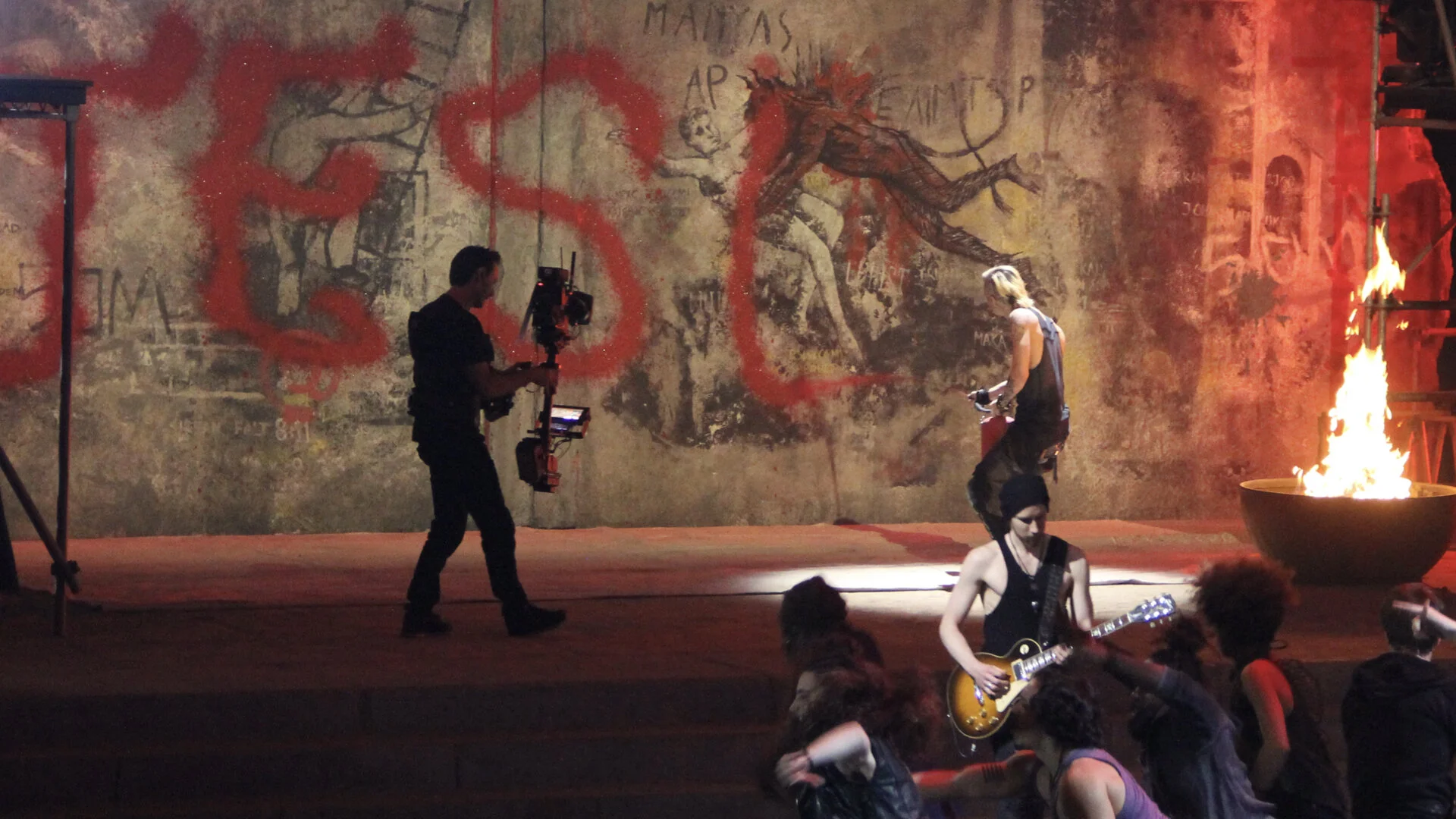
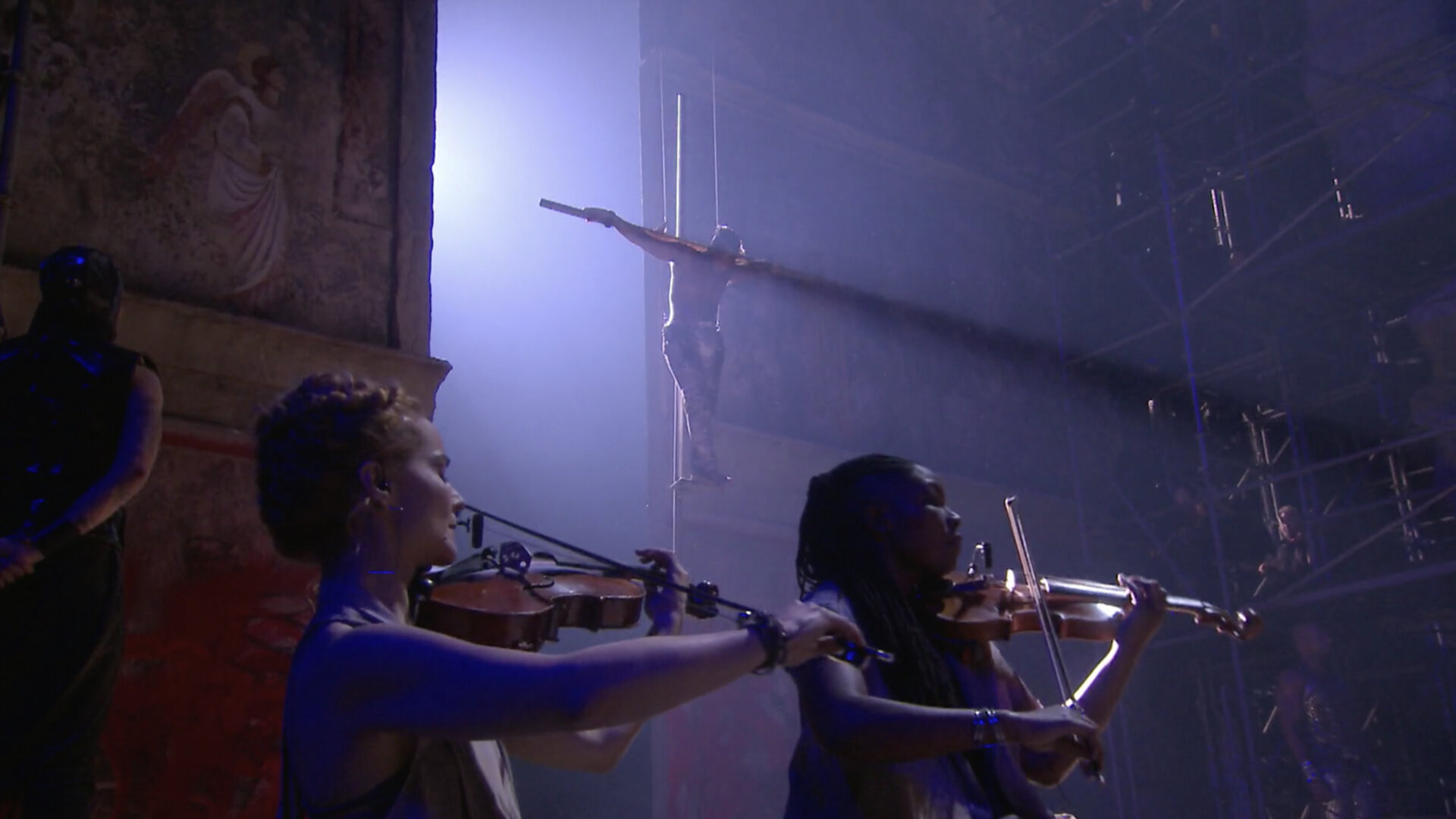
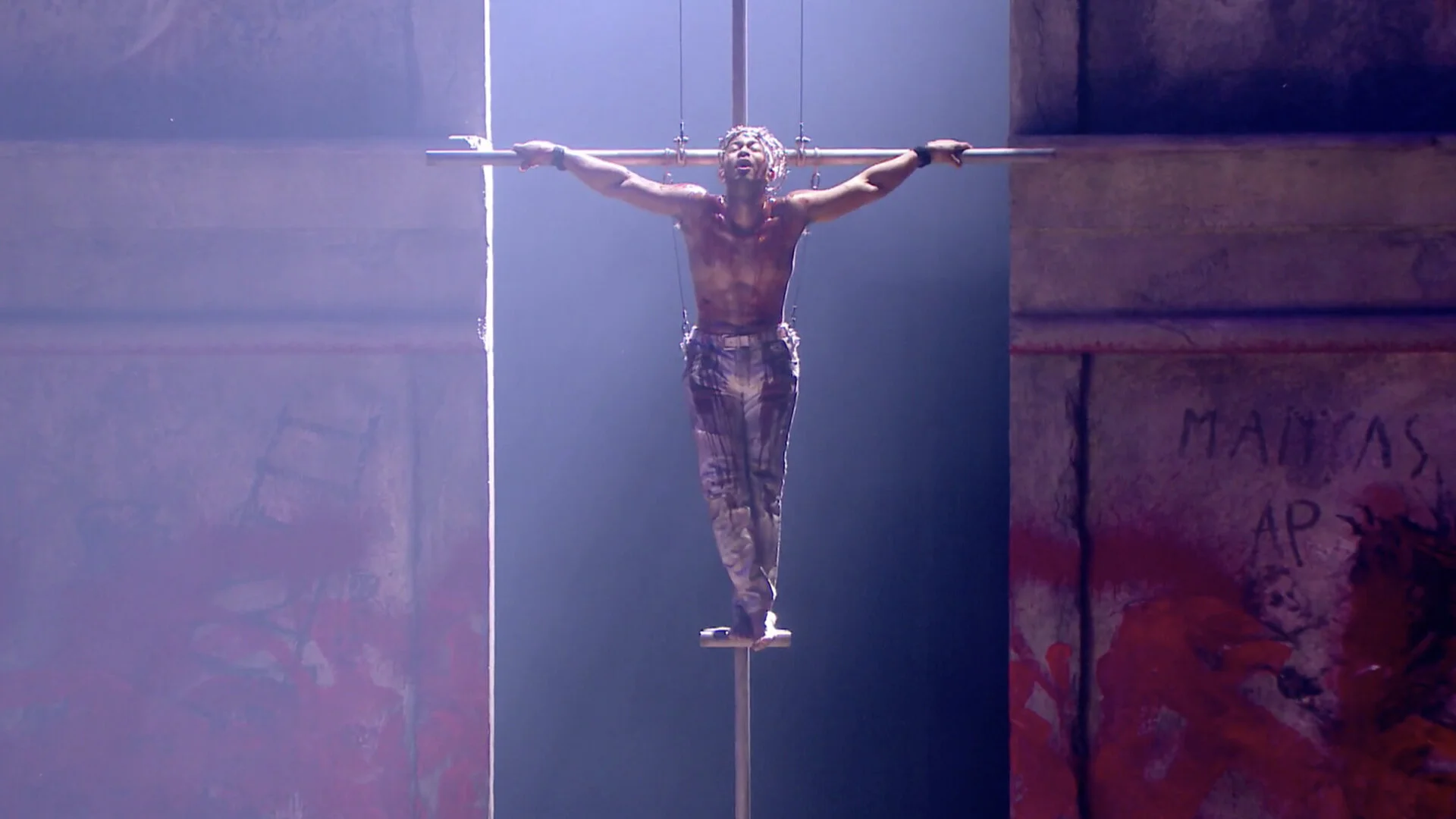
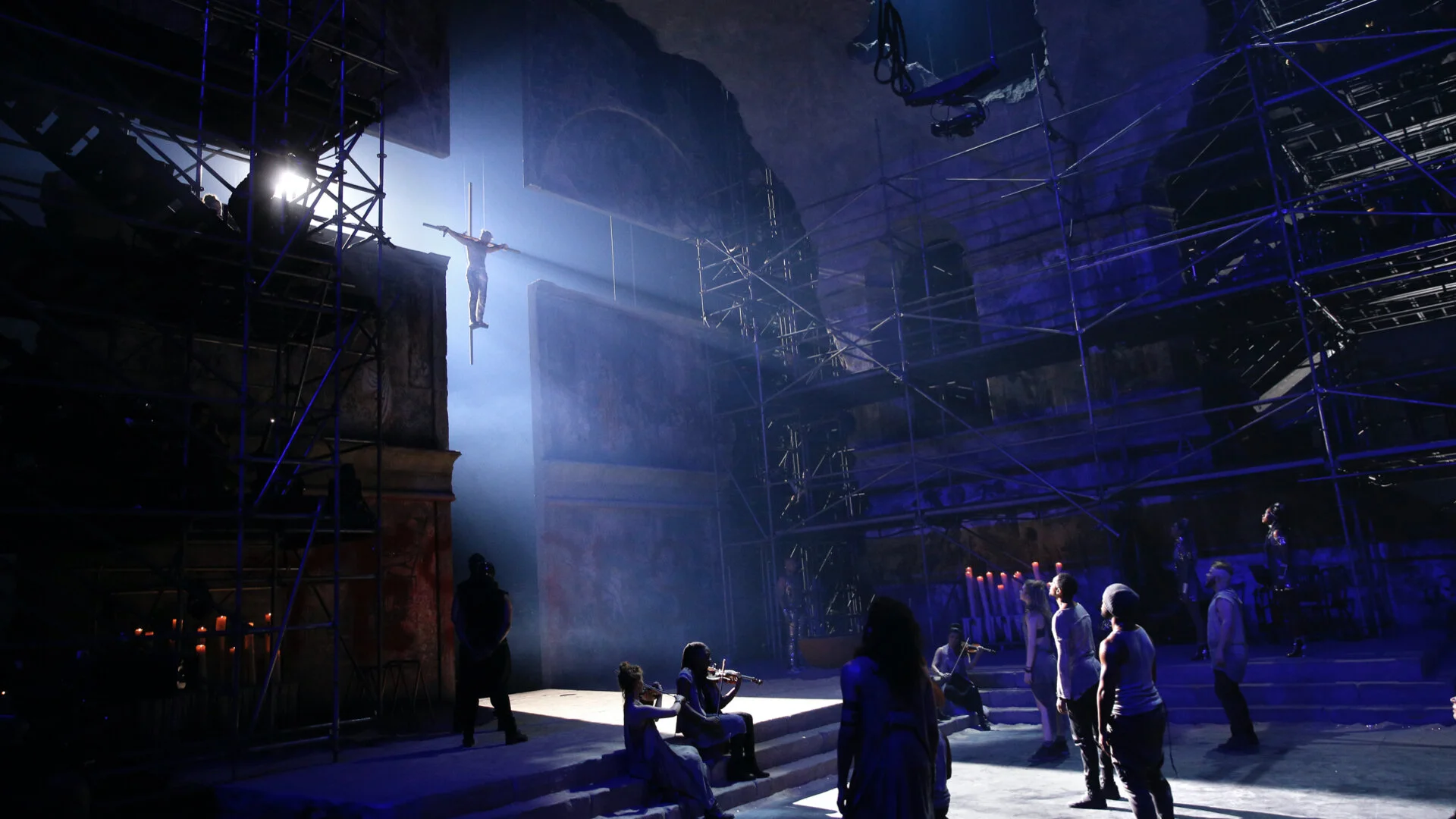
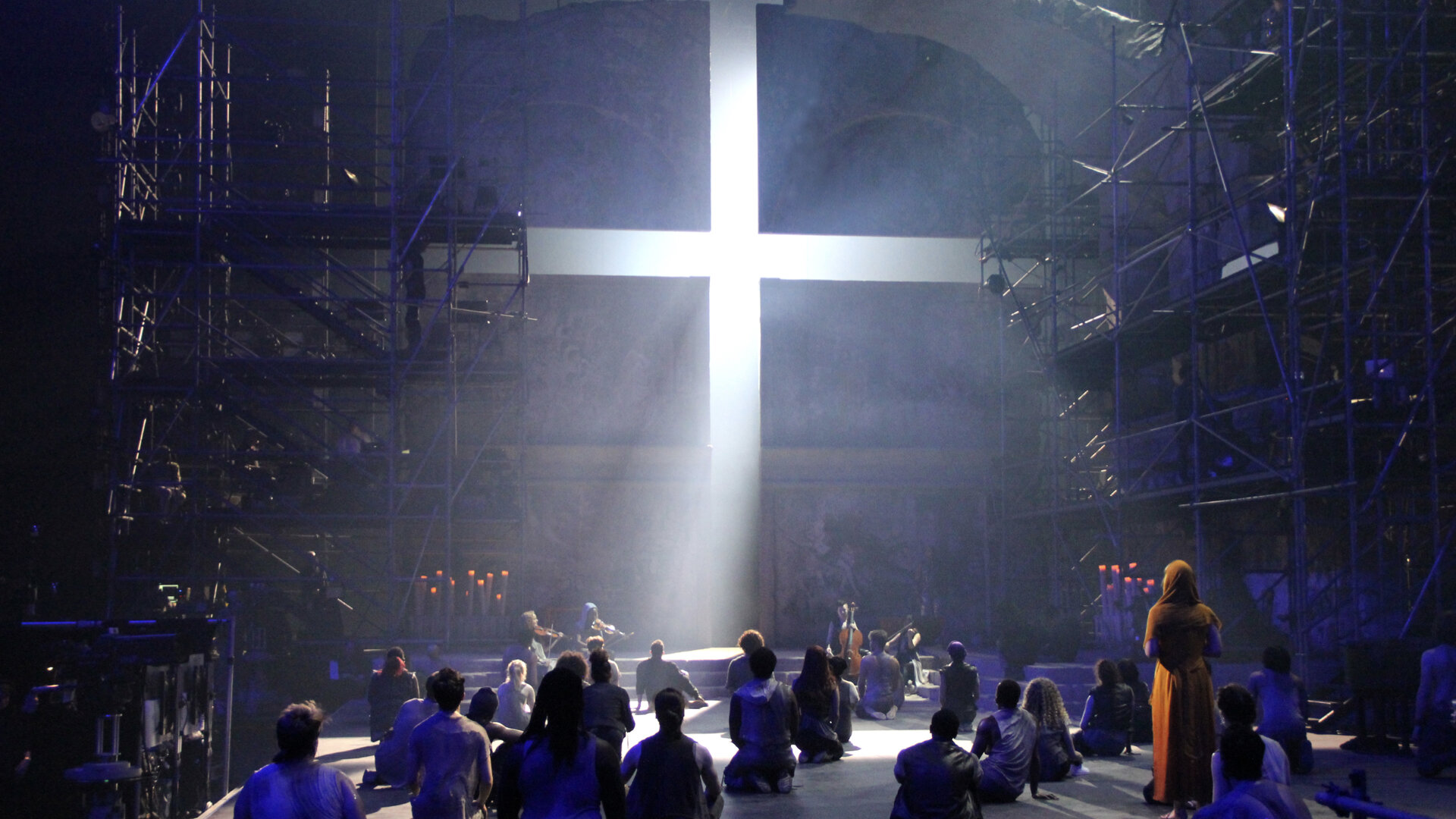
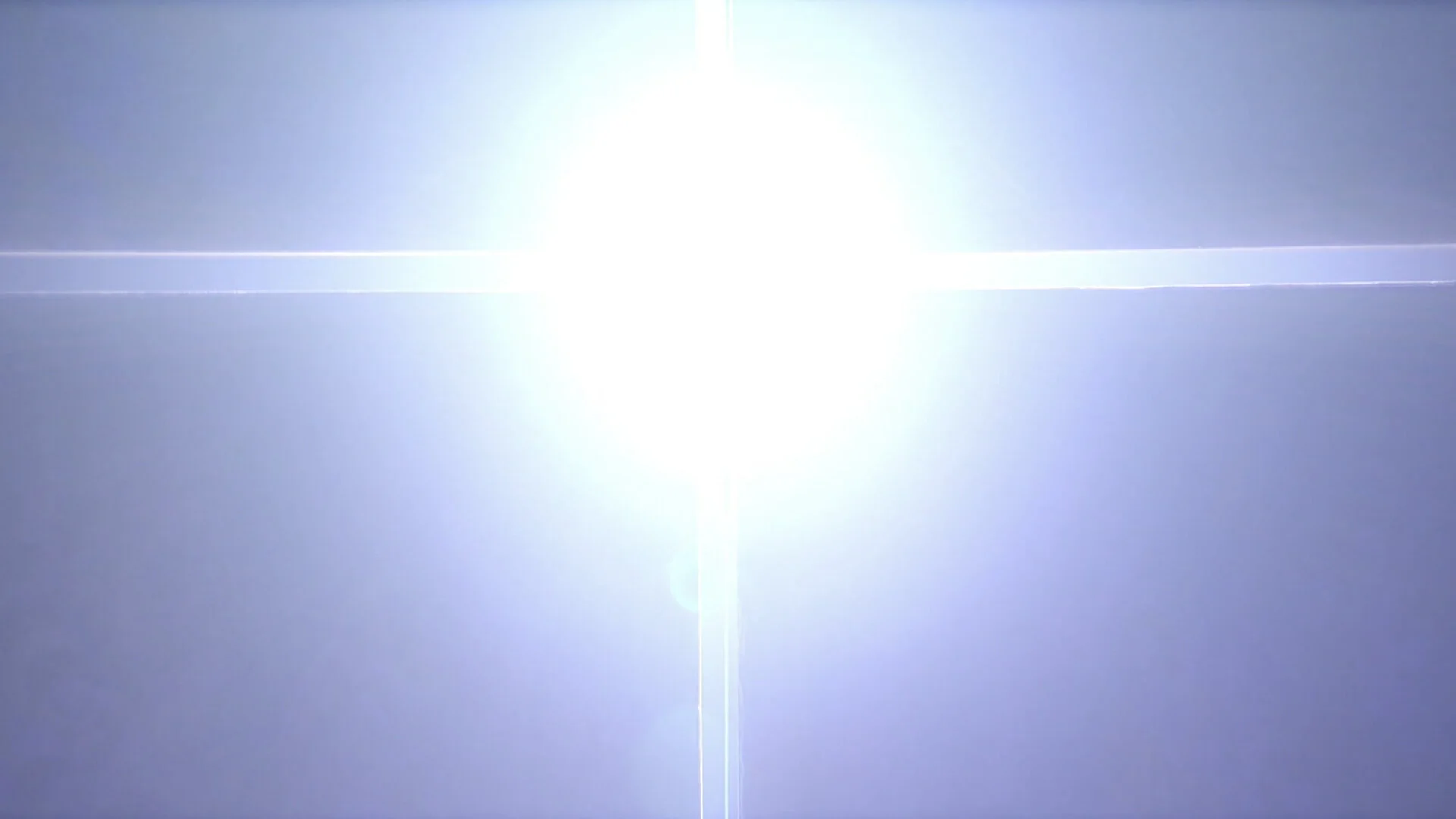
here is a collection of photos taken during the broadcast, production photos, and broadcast screen-shots. see portfolio / tv/film/concerts / jesus christ superstar live for the full collection of production photos and credits.